
Inicio > Lenguas > Lingüistica > Superpartikeln
Superpartikeln

Superpartikeln

Moreno Mitrović

89,94 €
IVA incluido
Disponible
Editorial:
Springer Nature B.V.
Año de edición:
2023
Materia
Lingüistica
ISBN:
9783031397189
89,94 €
IVA incluido
Disponible

Selecciona una librería:

  • Librería Samer Atenea
  • Kálamo Books
  • Librería Elías (Asturias)
  • Librería Kolima (Madrid)
  • Librería Proteo (Málaga)

In diesem Buch geht es um die faszinierende Fähigkeit der menschlichen Sprache, mit Hilfe winziger (mikrosemantischer) Morpheme als Hilfsmittel komplizierte logische (mathematische) Bedeutungen auszudrücken. Sprachen markieren Bedeutungen mit identischen Schlussfolgerungen, indem sie identische Partikel verwenden, und diese Partikel schleichen sich so in eine Vielzahl von Ausdrücken ein. Aufgrund ihrer Multitasking-Fähigkeit, scheinbar disparate Bedeutungen auszudrücken, werden sie als Superpartikel bezeichnet. Diese Partikel sind perfekte Fenster in die Verzahnung mehrerer grammatischer Module und die Art der Interaktion dieser Module im Laufe der Zeit. Fest verankert in dem Modul, in dem die grammatischen Knochen gebaut und zusammengesetzt werden (enge Morphosyntax), erhalten Superpartikel je nach der Struktur, in der sie vorkommen, unterschiedliche Interpretationen (im begrifflich-intentionalen Modul - Semantik). Darüber hinaus sind einige der Interpretationen, die diese Partikelauslösen, inferentiell und gehören nach der Standardrechnung in den Bereich der Pragmatik. Wie können so winzige Partikel, die selten länger als eine Silbe sind, so mächtige und übergreifende Wirkungen im intermodularen grammatischen Raum haben? Dies ist der platonische Hintergrund, vor dem dieses Buch steht.  
Artículos relacionados

  • User-Centered Computer Aided Language Learning
    Giorgos Zacharia / Panayiotis Zaphiris
    ...
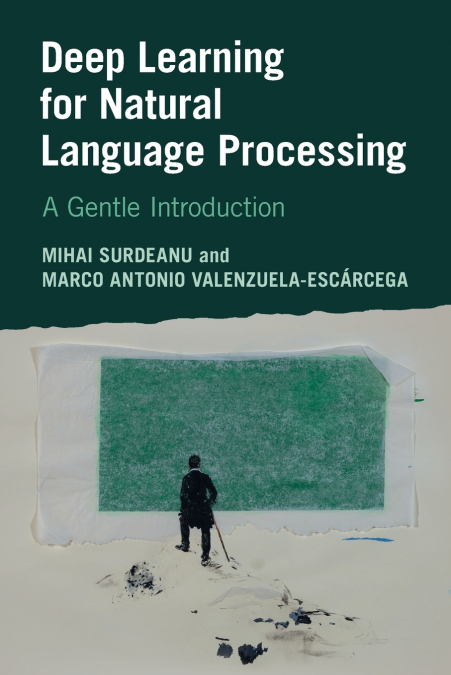
  • Deep Learning for Natural Language Processing
    Marco Antonio Valenzuela-Escárcega / Mihai Surdeanu
    ...
    Disponible

    50,08 €

  • Deep Learning for Natural Language Processing
    Marco Antonio Valenzuela-Escárcega / Mihai Surdeanu
    ...
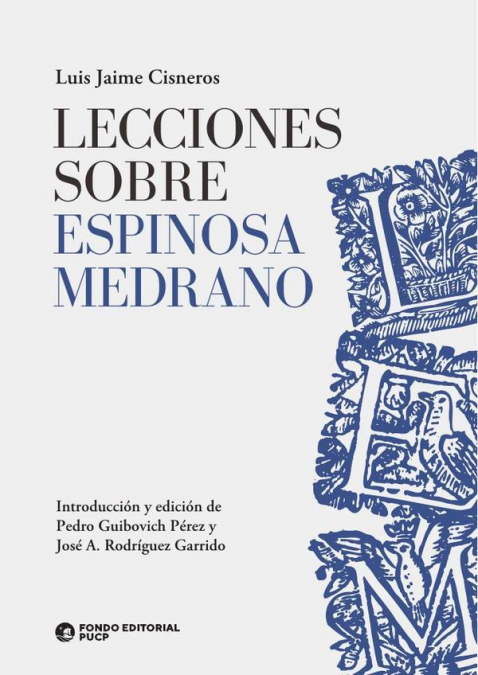
  • Lecciones sobre espinosa medrano
    Luis Jaime Cisneros Vizquerra
    La obra de Juan de Espinosa Medrano, apodado en su tiempo «El Lunarejo» (c. 1629-1688), fue uno de los mayores focos de interés académico de Luis Jaime Cisneros (1921-2011). En 1980 aparecieron sus primeros trabajos dedicados a estudiar los textos capitales de Espinosa Medrano (el Apologético en favor de don Luis de Góngora, la Panegírica declamación por la protección de las ci...
    Disponible

    18,20 €

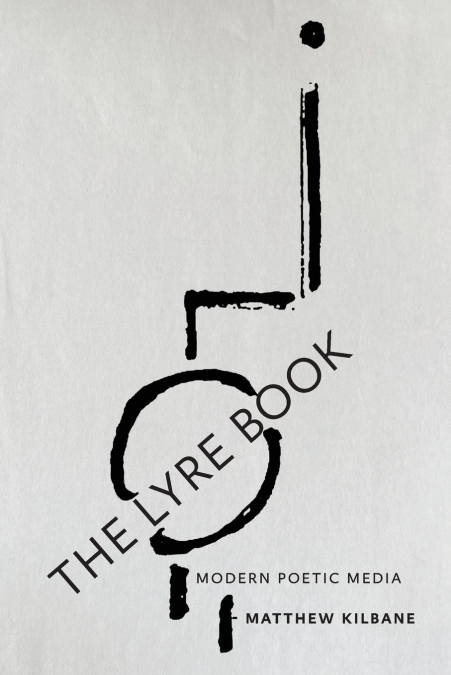
  • Lyre Book
    Matthew Kilbane
    Redefines modern lyric poetry at the intersection of literary and media studies.In The Lyre Book, Matthew Kilbane urges literary scholars to consider lyric not as a genre or a reading practice but as a media condition: the generative tension between writing and sound. In addition to clarifying issues central to the study of modern poetry--including its proximity to popular song...
    Disponible

    50,84 €

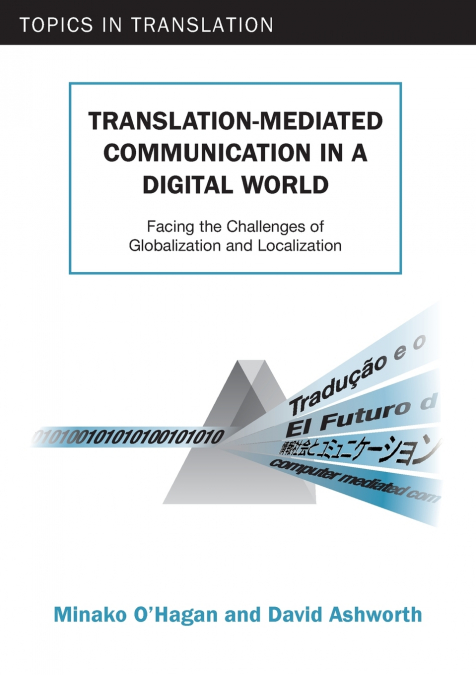
  • Translation-mediated Communication in a Digital World
    David Ashworth / Minako O’Hagan
    The Internet is accelerating globalization by exposing organizations and individuals to global audiences. This in turn is driving teletranslation and teleinterpretation, new types of multilingual support, which are functional in digital communications environments. The book describes teletranslation and teleinterpretation by exploring a number of key emerging contexts for langu...
    Disponible

    45,19 €

Otros libros del autor

  • Superparticles
    Moreno Mitrović
    This book is all about the captivating ability that the human language has to express intricately logical (mathematical) meanings using tiny (microsemantic) morphemes as utilities. Languages mark meanings with identical inferences using identical particles and these particles thus creep up in a wide array of expressions. Because of their multi-tasking capacity to express seemin...
    Disponible

    133,83 €

  • Superparticles
    Moreno Mitrović
    This book is all about the captivating ability that the human language has to express intricately logical (mathematical) meanings using tiny (microsemantic) morphemes as utilities. Languages mark meanings with identical inferences using identical particles and these particles thus creep up in a wide array of expressions. Because of their multi-tasking capacity to express seemin...