Giovanni Capellini / J. Gwyn Jeffreys
 Librería Samer Atenea
 Kálamo Books
 Librería Elías (Asturias)
 Librería Kolima (Madrid)
 Librería Proteo (Málaga)
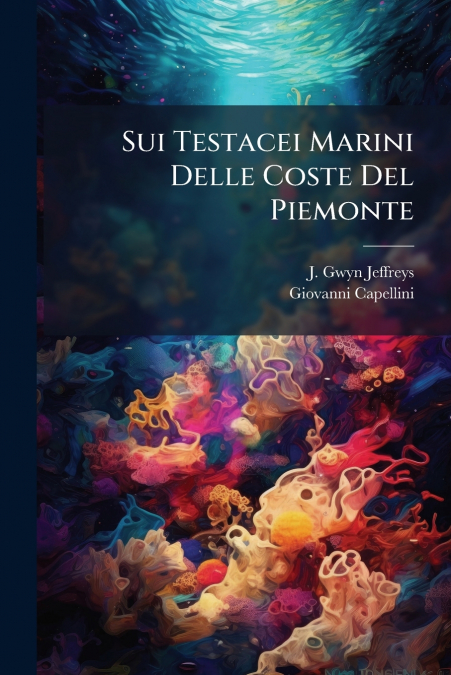
Sui Testacei Marini Delle Coste Del Piemonte, originariamente scritto da J. Gwyn Jeffreys, presenta una traduzione annotata del Prof. G. Capellini, arricchita da un catalogo speciale per il Golfo della Spezia. Quest’opera esplora la biologia marina e i molluschi delle coste piemontesi, offrendo una prospettiva dettagliata sulla fauna marina locale. Il libro fornisce una catalogazione accurata delle conchiglie e delle specie marine, rendendolo una risorsa preziosa per biologi marini, naturalisti e appassionati di storia naturale. L’aggiunta del catalogo specifico per il Golfo della Spezia accresce ulteriormente il valore scientifico e storico di questo testo, rendendolo una lettura essenziale per chiunque sia interessato all’ecosistema marino italiano. Questa edizione preserva il rigore scientifico dell’opera originale, rendendola accessibile a un pubblico contemporaneo interessato alla conservazione e allo studio degli ambienti marini.This work has been selected by scholars as being culturally important, and is part of the knowledge base of civilization as we know it. This work was reproduced from the original artifact, and remains as true to the original work as possible. Therefore, you will see the original copyright references, library stamps (as most of these works have been housed in our most important libraries around the world), and other notations in the work.This work is in the public domain in the United States of America, and possibly other nations. Within the United States, you may freely copy and distribute this work, as no entity (individual or corporate) has a copyright on the body of the work.As a reproduction of a historical artifact, this work may contain missing or blurred pages, poor pictures, errant marks, etc. Scholars believe, and we concur, that this work is important enough to be preserved, reproduced, and made generally available to the public. We appreciate your support of the preservation process, and thank you for being an important part of keeping this knowledge alive and relevant.