Librería Samer Atenea
 Kálamo Books
 Librería Elías (Asturias)
 Librería Kolima (Madrid)
 Librería Proteo (Málaga)
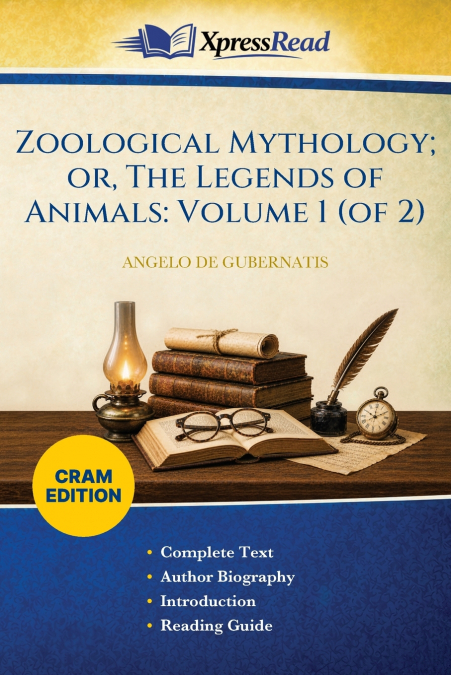
Studj Vedici presents Angelo de Gubernatis’s Italian translation and annotation of the first twenty hymns of the Rigveda. This edition makes available again a foundational work for those interested in the study of ancient Indian religious texts. De Gubernatis, a noted scholar of his time, provides a detailed examination of these Vedic hymns, offering insights into their linguistic structure, cultural context, and religious significance. His translation aims to bring the Rigveda to a wider Italian-speaking audience, fostering a greater understanding of early Vedic thought. This volume is valuable not only for its translation but also for De Gubernatis’s scholarly apparatus, which contextualizes the hymns within the broader framework of ancient Indian society and religion. Studj Vedici remains a key resource for scholars and students seeking to explore the roots of Hinduism and the rich literary traditions of ancient India. The book offers a unique perspective, making it an essential addition to collections focused on comparative religion, classical literature, and Indology.This work has been selected by scholars as being culturally important, and is part of the knowledge base of civilization as we know it. This work was reproduced from the original artifact, and remains as true to the original work as possible. Therefore, you will see the original copyright references, library stamps (as most of these works have been housed in our most important libraries around the world), and other notations in the work.This work is in the public domain in the United States of America, and possibly other nations. Within the United States, you may freely copy and distribute this work, as no entity (individual or corporate) has a copyright on the body of the work.As a reproduction of a historical artifact, this work may contain missing or blurred pages, poor pictures, errant marks, etc. Scholars believe, and we concur, that this work is important enough to be preserved, reproduced, and made generally available to the public. We appreciate your support of the preservation process, and thank you for being an important part of keeping this knowledge alive and relevant.