

 Librería Samer Atenea
 Kálamo Books
 Librería Elías (Asturias)
 Librería Kolima (Madrid)
 Librería Proteo (Málaga)
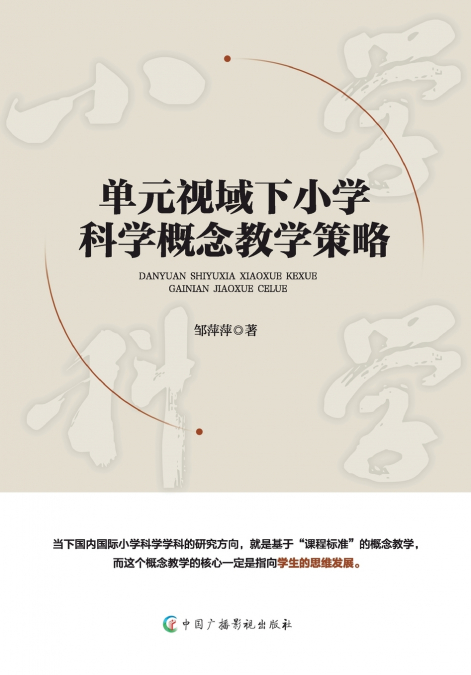
This book is divided into seven chapters in total. Chapter One introduces the research background of regionally advancing concept teaching and the theoretical foundations of concept teaching. Chapter Two specifically introduces strategies for interpreting unit big concepts, strategies for analyzing unit textbooks, and analyzes lesson-level concepts from the unit perspective. Chapter Three introduces how to create real-life contexts for units and for lesson teaching from the unit perspective. Chapter Four provides strategies such as challenging task design, structured question design, and progressive thinking ability improvement from the unit perspective. Chapter Five provides teachers with specific methods from two aspects: concept consolidation and internalization, and transfer and application. Chapter Six elaborates on specific strategies for how to collect evidence and make evidence-based teaching improvements from two aspects: developing classroom observation scales and improving teaching based on classroom observation scales. Chapter Seven not only presents teachers with specific pathways for designing unit teaching plans but also presents two sample unit teaching plans - one oriented toward the physical science domain and one oriented toward the technology and engineering domain.本书共分为七章。第一章介绍了区域推进概念教学的研究背景,概念教学的理论基础。第二章具体介绍了单元大概念解读的策略、单元教材分析策略,并对单元视域下的课时概念进行解析。第三章介绍了如何创设单元以及单元视域下课时教学的真实生活情境。第四章提供了单元视域下挑战性任务设计、结构性问题设计、进阶性思维能力提升等策略。第五章从概念巩固内化以及迁移应用两方面,为教师提供具体的方法。第六章从开发观课量表、基于观课量表改进教学两方面对如何收集证据、基于证据做出教学改进进行了具体策略阐述。第七章不但为教师呈现了单元教学方案设计的具体路径,还呈现了指向物质科学领域、指向技术与工程领域两个单元教学方案样例。





