Soziale Theorie der Verteilung

Soziale Theorie der Verteilung

Michael Tugan-Baranowsky

73,07 €
IVA incluido
Disponible
Editorial:
Springer Nature B.V.
Año de edición:
1913
Materia
Macroeconomía
ISBN:
9783662230749
73,07 €
IVA incluido
Disponible

Selecciona una librería:

  • Librería Samer Atenea
  • Librería Aciertas (Toledo)
  • Kálamo Books
  • Librería Perelló (Valencia)
  • Librería Elías (Asturias)
  • Donde los libros
  • Librería Kolima (Madrid)
  • Librería Proteo (Málaga)

In dieser kleinen Schrift habe ich den V ersuch gemacht, eine Verteilungstheorie darzulegen, die von der herrschenden sich unter­ scheidet. Diese Theorie habe ich als soziale bezeichnet, weil ihre Eigentümlichkeit in der Hervorhebung der sozialen Faktoren der Einkommensbildung besteht. Die nationalökonomischen Theoretiker zerfallen im großen und ganzen gegenwärtig in zwei Richtungen: die Vertreter der Grenznutzenschule und des Marxismus. Ich kann mich weder zur einen noch zur anderen Richtung zählen. Was die Grenznutzen­ schule betrifft, so scheidet mich von dieser eine andersartige Auf­ fassung des Verteilungsproblems, das auf Grund der individua­ listisch-psychologischen Methode dieser Schule nicht zu lösen ist. Aber auch die Verteilungstheorie von Marx scheint mir mangel­ haft und trotz ihrer sozialen Grundlage mit individualistischen Elementen durchsetzt zu sein. Der gemeinsame Grundfehler beider Theorien besteht meiner Ansicht nach darin, daß sie die Verteilungsphänomene als Wertphänomene betrachten. Zugleich aber habe ich in theoretischer Hinsicht viel Gemein­ sames sowohl mit der Grenznutzenschule als auch mit dem Marxismus. In der Grenznutzenlehre erblicke ich die wissen­ schaftliche Theorie des wirtschaftlichen Güterwertes; im Marxis­ mus scheint mir von größter Bedeutung seine Lehre der sozialen Grundlage der ökonomischen Erscheinungen der kapitalistischen Gesellschaft. So finde ich viel Richtiges und Brauchbares in beiden miteinander streitenden Systemen, und ich erblicke die wichtigste Aufgabe der ökonomischen Wissenschaft unserer Zeit in der Synthese beider. St. Petersburg, im März 1913. M. Tugan-Baranowsky. Inhalt. Seite Einleitung . . . . . . . . . . . . . . . . . . . . . . . . . . . . . 1 1. Kapitel: Zur Methodologie des Verteilungsproblems . . . . . . . . . 7 2. Kapitel: Das Verteilungsproblem bei den Vertretern der Grenznutzenschule und bei Marx . . . , . . . . . . . • . . . . . . . . , . . . 15 . .
Artículos relacionados

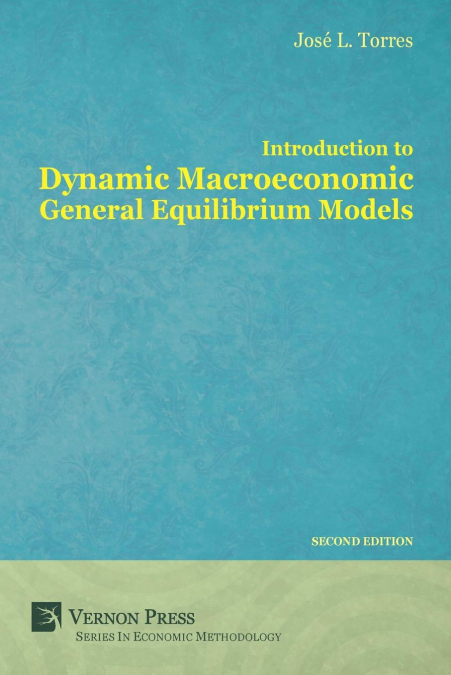
  • Introduction to Dynamic Macroeconomic General Equilibrium Models
    José Luis Torres Chacon
    This book offers an introductory step-by-step course in Dynamic Stochastic General Equilibrium modelling. Modern macroeconomic analysis is increasingly concerned with the construction, calibration and/or estimation and simulation of Dynamic General Equilibrium (DGE) models. The book is intended for graduate students as an introductory course to DGE modelling and for those econo...
    Disponible

    61,40 €

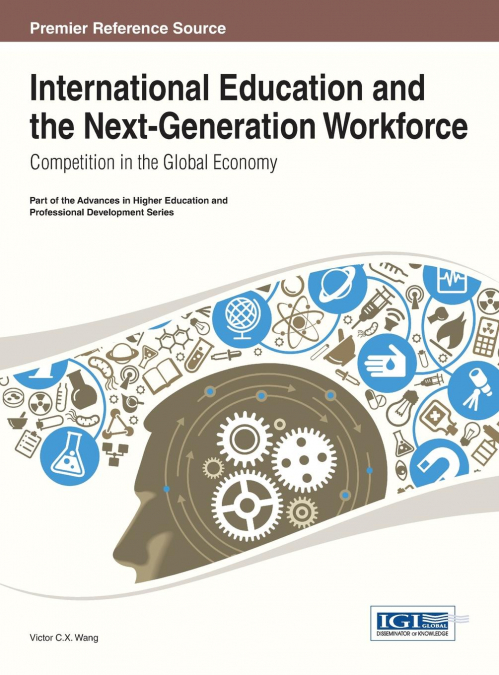
  • International Education and the Next-Generation Workforce
    Wei Wang
    Education is the first stage in developing a viable, dynamic, and long-lived global economy. Unfortunately, in times of economic hardship, educational programs, teacher salaries, and extracurricular opportunities are often the first to be cut. International Education and the Next-Generation Workforce: Competition in the Global Economy presents a detailed discussion of present e...
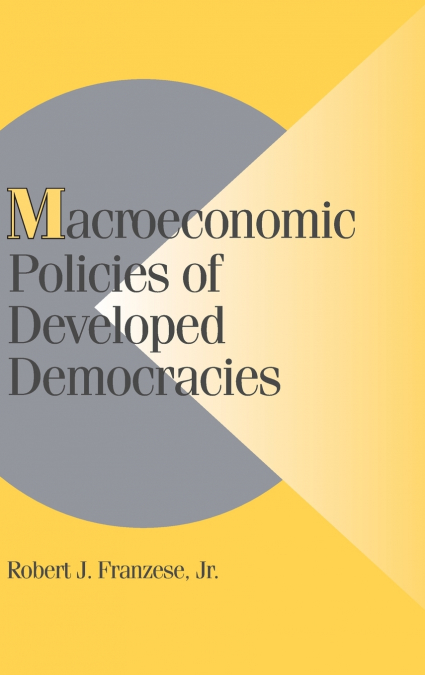
  • Macroeconomic Policies of Developed Democracies
    Robert J Franzese Jr
    ...
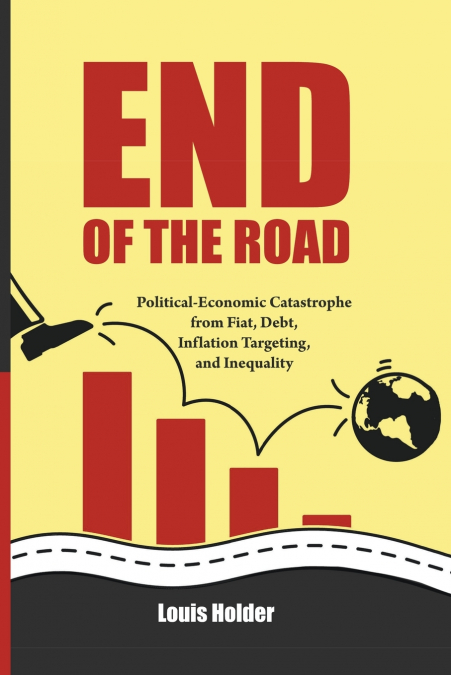
  • End Of The Road
    Louis Holder
    This book is about the mismanagement of Western economies in pursuit of political power, which resulting devastation will have to be borne by future generations. The book establishes that postponement is no longer doable and lays out the hard choices ahead causing much misery and agony.Although not fully recognized because of masking by asset bubbles, which are spun/sold as in...
    Disponible

    16,42 €

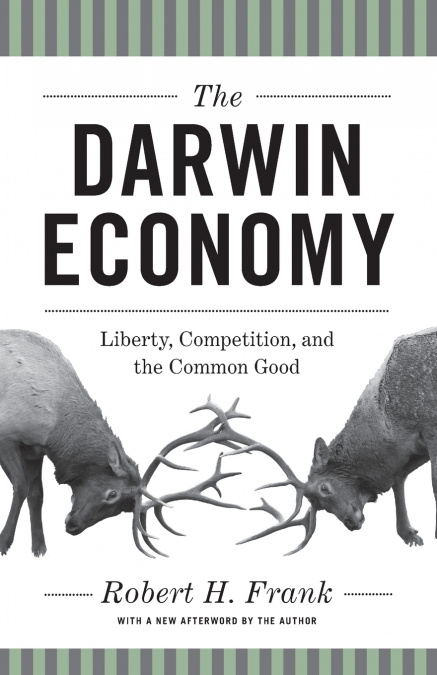
  • The Darwin Economy
    Robert H. Frank
    What Charles Darwin can teach us about building a fairer societyWho was the greater economist-Adam Smith or Charles Darwin? The question seems absurd. Darwin, after all, was a naturalist, not an economist. But Robert Frank, New York Times economics columnist and best-selling author of The Economic Naturalist, predicts that within the next century Darwin will unseat Smith as the...
    Disponible

    22,42 €

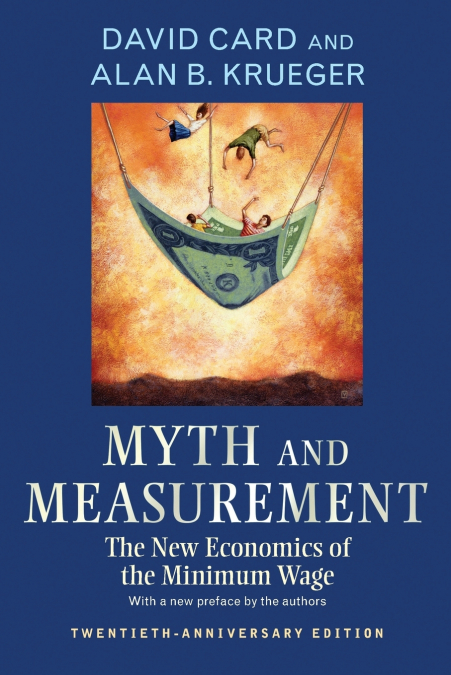
  • Myth and Measurement
    Alan B. Krueger / David Card
    From David Card, winner of the Nobel Prize in Economics, and Alan Krueger, a provocative challenge to conventional wisdom about the minimum wageDavid Card and Alan B. Krueger have already made national news with their pathbreaking research on the minimum wage. Here they present a powerful new challenge to the conventional view that higher minimum wages reduce jobs for low-wage ...
    Disponible

    39,64 €