Inicio > Economía, finanzas, empresa y gestión > Economía > Historia de la economía > Social Conservatism and the Middle Class in Germany, 1914-1933
Social Conservatism and the Middle Class in Germany, 1914-1933

Social Conservatism and the Middle Class in Germany, 1914-1933

Herman Lebovics

52,74 €
IVA incluido
Disponible
Editorial:
Princeton University Press
Año de edición:
2015
Materia
Historia de la economía
ISBN:
9780691621951
52,74 €
IVA incluido
Disponible

Selecciona una librería:

  • Librería Samer Atenea
  • Librería Aciertas (Toledo)
  • Kálamo Books
  • Librería Perelló (Valencia)
  • Librería Elías (Asturias)
  • Donde los libros
  • Librería Kolima (Madrid)
  • Librería Proteo (Málaga)

Uprooted by the war, exposed to the full brunt of economic dislocation, and fearful of losing status in face of the growing might of big business and organized labor, the middle classes in Weimar Germany longed for a solution to their plight that neither the capitalism nor the socialism of their day could offer. This work examines the attempts of a number of scholars and publicists-Sombart, Salin, Spann, Niekisch, Spengler, and Fried-to provide such a solution in the form of an ideology of social conservatism.Originally published in 1969.The Princeton Legacy Library uses the latest print-on-demand technology to again make available previously out-of-print books from the distinguished backlist of Princeton University Press. These editions preserve the original texts of these important books while presenting them in durable paperback and hardcover editions. The goal of the Princeton Legacy Library is to vastly increase access to the rich scholarly heritage found in the thousands of books published by Princeton University Press since its founding in 1905.
Artículos relacionados

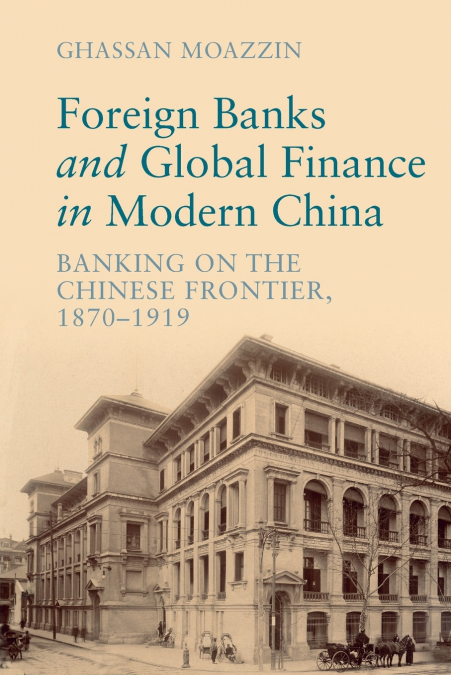
  • Foreign Banks and Global Finance in Modern China
    Ghassan Moazzin
    ...
    Disponible

    41,39 €

  • F.U.B.A.R. From Inflation to Hyperinflation
    Pawlo Lawriw
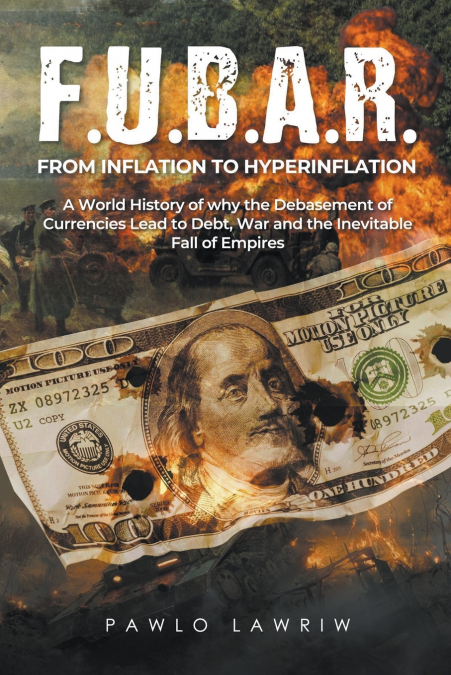
    Inflation and hyperinflation results in F.U.B.A.R on an epic scale. It can cause social and economic collapse and war and in short, change history- for the worse. If you are worried about inflation, who is not, then F.U.B.A.R. (F****d Up Beyond All Recognition) FROM INFLATION TO HYPERINFLATION is a work that you need to read.Some observers now wonder as society suffers from hig...
    Disponible

    18,47 €

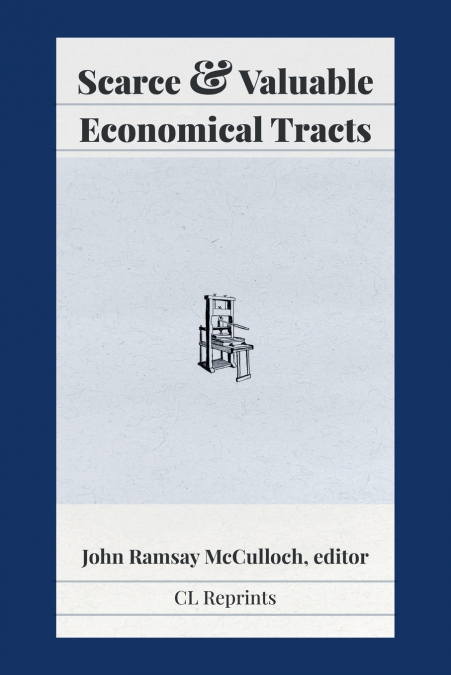
  • Scarce and Valuable Economical Tracts
    John Ramsay McCulloch
    This volume, Scarce and Valuable Economical Tracts, was edited by John Ramsay McCulloch and originally published in 1859. It contains essays on political economy written by: Nicholas Barbon, Daniel Defoe, Henry Elking, Thomas Wise, Benjamin Franklin, Anne Robert Jacques Turgot, James Anderson, Alexander Schomberg, Joseph Townsend, Edmund Burke, and Archibald Bell.In her entry o...
    Disponible

    17,77 €

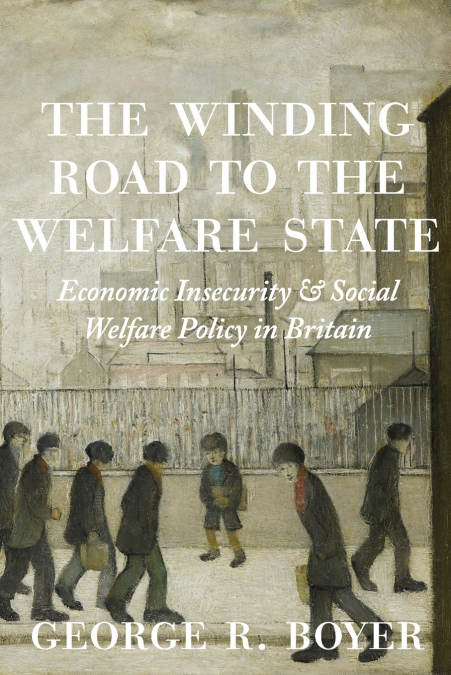
  • The Winding Road to the Welfare State
    George R. Boyer
    How did Britain transform itself from a nation of workhouses to one that became a model for the modern welfare state? The Winding Road to the Welfare State investigates the evolution of living standards and welfare policies in Britain from the 1830s to 1950 and provides insights into how British working-class households coped with economic insecurity. George Boyer examines the ...
    Disponible

    46,98 €

  • Joseph Alois Schumpeter
    Wolfgang F. Stolper
    In this major scholarly study of the life of Joseph A. Schumpeter, one of the great intellectual figures of the twentieth century, the distinguished economist Wolfgang Stolper delves into the mind of his former teacher, exploring the development of his ideas and, especially, their influence on politics and public policy. After reflecting briefly on Schumpeter the man, Stolper e...
    Disponible

    110,15 €

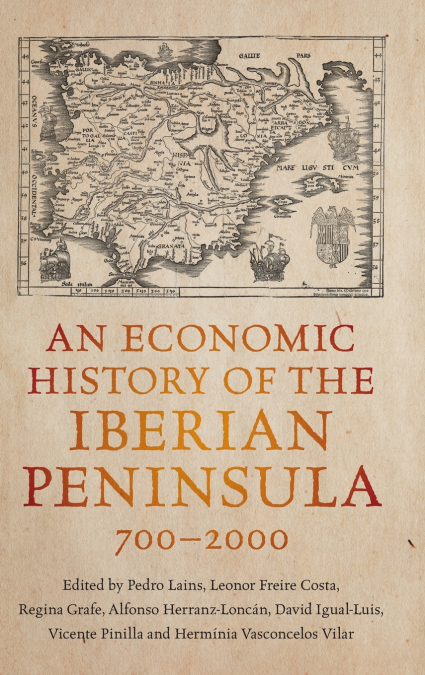
  • An Economic History of the Iberian Peninsula, 700-2000
    ...

Otros libros del autor

  • Social Conservatism and the Middle Class in Germany, 1914-1933
    Herman Lebovics
    Uprooted by the war, exposed to the full brunt of economic dislocation, and fearful of losing status in face of the growing might of big business and organized labor, the middle classes in Weimar Germany longed for a solution to their plight that neither the capitalism nor the socialism of their day could offer. This work examines the attempts of a number of scholars and public...