
Inicio > Sociedad y ciencias sociales > Psicología > Social Consciousness in Legal Decision Making
Social Consciousness in Legal Decision Making

Social Consciousness in Legal Decision Making


157,27 €
IVA incluido
Disponible
Editorial:
Springer Nature B.V.
Año de edición:
2010
Materia
Psicología
ISBN:
9781441942760
157,27 €
IVA incluido
Disponible

Selecciona una librería:

  • Librería Samer Atenea
  • Librería Aciertas (Toledo)
  • Kálamo Books
  • Librería Perelló (Valencia)
  • Librería Elías (Asturias)
  • Donde los libros
  • Librería Kolima (Madrid)
  • Librería Proteo (Málaga)

Introduction Chapter 1: Law and Everyday Decision-Making: Rational, Descriptive, and Normative ModelsRichard L. Wiener, University of Nebraska at Lincoln Unit I. Investigative Profiling: Legal Developments and Empirical Research Chapter 2: The Rhetoric of Racial Profiling Sam R. Gross, University of Michigan Chapter 3: Racial Profiling, Attributions of Motive, and the Acceptance of Social AuthorityTom R. Tyler, New York University Chapter 4: Analysis Racial Profiling as a Minority IssueCynthia Willis-Esqueda, University of Nebraska-Lincoln Unit II. Affirmative Action: Legal Developments and Empirical Research Chapter 5: Affirmative Action and the Courts: From Plessy to Brown to Grutter, And Back?Mark R. Killenbeck, University of Arkansas Chapter 6: The University of Michigan Cases: Social Scientific Studies of Diversity andFairnessFaye J. Crosby, University of California, Santa CruzAmy E. Smith, San Francisco State University Chapter 7: Social Science in the Courts: The View from Michigan Steven L. Willborn, University of Nebraska-Lincoln Unit III. Workplace Discrimination: Legal Developments and Empirical Research in Sexual Harassment Chapter 8: How can we make our research on sexual harassment more useful in legal decision- making?Barbara A. Guteks, University of Arizona Chapter 9: Totality of Circumstances in Sexual Harassment Decisions: A Decision Making ModelRichard L. Wiener, University of Nebraska-LincolnRyan J. Winter, Florida International University Chapter 10: What Can Researchers Tell the Courts, and What Can the Courts Tell Researchers about Sexual Harassment?Brian H. Bornstein, University of Nebraska-Lincoln Meera Adya, Syracuse University Unit IV. Hate Speech and Hate Crimes: Legal Developments and Empirical Research Chapter 11: The Hate Crime Project and its Limitations: Evaluating the Societal Gains and Risk in Bias Crime Law Enforcement Frederick M. Lawrence, George Washington University Chapter 12: Implications of automatic and controlled processes in stereotyping for hate crime perpetration and litigationMargaret Bull Kovera, John Jay College of Criminal Justice Chapter 13: Implicit Bias and Hate Crimes: A Psychological Framework and Critical Race Theory AnalysisJennifer S. Hunt, University of Nebraska at Lincoln Chapter 14: Psychology and Legal Decision Making: Where Should We Go From Here?Erin M. Richter, University of Nebraska-LincolnRichard L. Wiener, University of Nebraska-Lincoln
Artículos relacionados

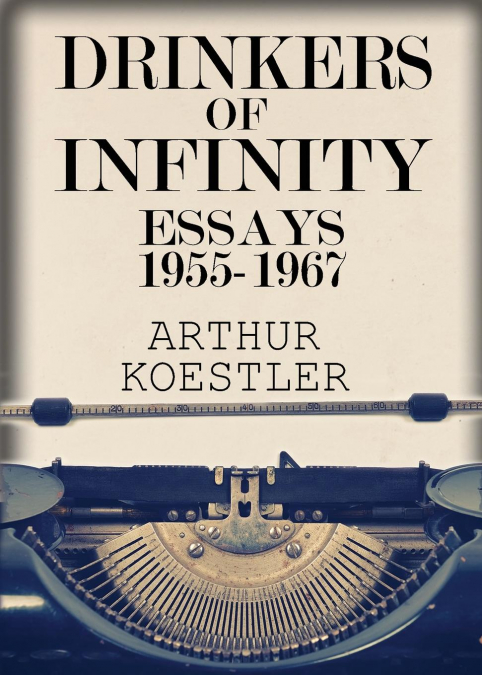
  • Drinkers of Infinity
    Arthur Koestler
    This selection of essays, book-reviews, broadcast talks and papers delivered to learned societies reflects the extraordinary breadth of Arthur Koestler’s interests. From the trial of Galileo to the pleasures of canoeing down the Loire, from a detailed examination of the ‘memory’ of flatworms to an equally detailed examination of the futility of quarantining dogs, the author wri...
    Disponible

    17,24 €

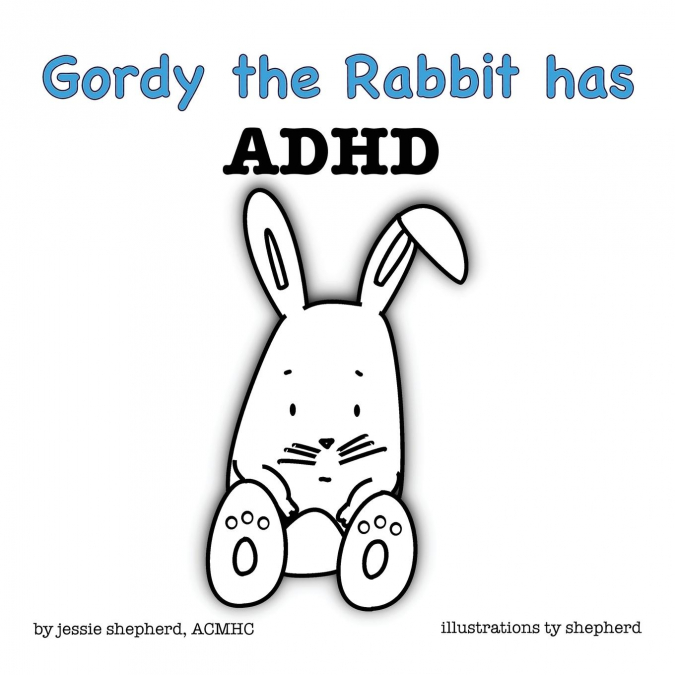
  • Gordy the Rabbit has ADHD
    Jessie Shepherd
    Often when people are given a mental health disorder diagnosis the weaknesses are clear and overwhelmingly emphasized, while the strengths are ignored or forgotten. The mental health children's book series 'What Mental Disorder?' challenges the stigma against therapy and diagnosis. It enlists the reader to view the character as a whole being and not as a mental issu...
    Disponible

    16,30 €

  • The Paradoxical Ego
    Eugene Halliday / Zhu Kabere
    Three particular themes are basic to this study. First, that the human race and its environment are involved in a slowly progressive process of revelation and understanding of its inherent features; and that we are all participating in this ongoing evolutionary cycle. Second, and closely related to the first tenet, man is not separable from his environment. We all share in this...
    Disponible

    14,56 €

  • On Being Human and When a Man Comes to Himself
    Woodrow Wilson
    Before he became the 28th President of the United States (1913-21), the 34th Governor of New Jersey (1911-13), or even the 13th President of Princeton University (1902-10), Woodrow Wilson (1856-1924) was a scholar and professor. In 1885, he received his Ph.D. in history and political science from Johns Hopkins University, and in 1897, he was granted tenure at Princeton Universi...
    Disponible

    6,28 €

  • Bridge Over The River Why
    David Cooper / Deborah Cooper
    'In Bridge Over the River Why, the Coopers have succeeded in a dual task documenting their own journey through the grief of losing their son Eli by suicide, while at the same time providing a valuable resource for anyone who has had to face the same terrible tragedy. They start with the premise that 'doing and feeling' are the key components of moving forward and have a core me...
  • Extraordinary Leadership
    Cher Holton
    This transformational leadership book, grounded in state-of-the-art research and proven by real-life application in the trenches, moves beyond traditional leadership theories to introduce you to seven incredible Core Abilities and shows you how to connect with them to become an Extraordinary Leader who can bring out the very best in your people.All the techniques in the world w...
    Disponible

    23,85 €