 Librería Samer Atenea
 Librería Aciertas (Toledo)
 Kálamo Books
 Librería Perelló (Valencia)
 Librería Elías (Asturias)
 Donde los libros
 Librería Kolima (Madrid)
 Librería Proteo (Málaga)
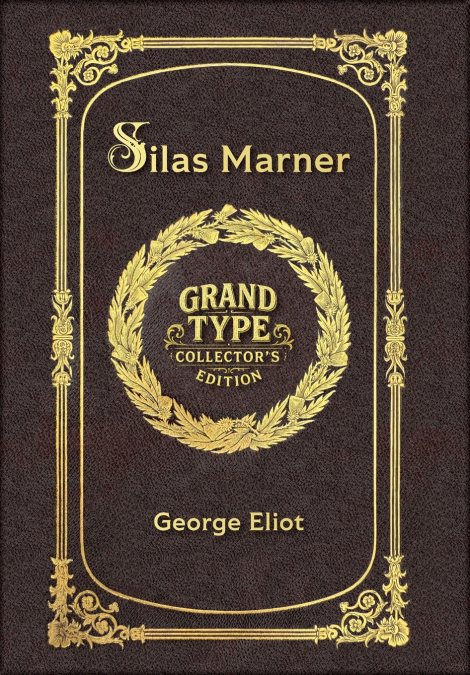
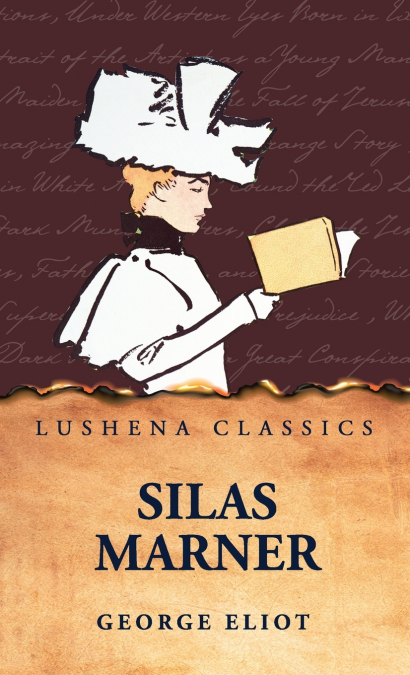
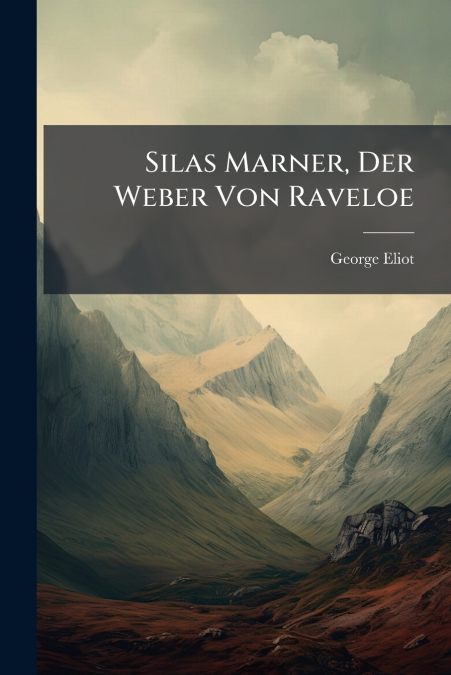
'Silas Marner, Der Weber Von Raveloe,' by George Eliot, is a compelling exploration of community, isolation, and redemption in the 19th-century English countryside. The story follows Silas Marner, a linen weaver who becomes a recluse after being wrongly accused of theft and betrayed by his best friend. He withdraws from society, his only solace found in hoarding gold. Marner’s life takes an unexpected turn when his gold is stolen and a young orphaned child, Eppie, wanders into his cottage. This event transforms Marner, as he embraces the role of a devoted father. Through his love for Eppie, Silas is reintegrated into the fabric of village life and experiences profound personal growth. Eliot masterfully depicts the nuances of rural society and the transformative power of human connection. 'Silas Marner' remains a powerful and moving testament to the enduring strength of love and the possibility of renewal.This work has been selected by scholars as being culturally important, and is part of the knowledge base of civilization as we know it. This work was reproduced from the original artifact, and remains as true to the original work as possible. Therefore, you will see the original copyright references, library stamps (as most of these works have been housed in our most important libraries around the world), and other notations in the work.This work is in the public domain in the United States of America, and possibly other nations. Within the United States, you may freely copy and distribute this work, as no entity (individual or corporate) has a copyright on the body of the work.As a reproduction of a historical artifact, this work may contain missing or blurred pages, poor pictures, errant marks, etc. Scholars believe, and we concur, that this work is important enough to be preserved, reproduced, and made generally available to the public. We appreciate your support of the preservation process, and thank you for being an important part of keeping this knowledge alive and relevant.