Siberian Curse

Siberian Curse

Clifford G. Gaddy / Fiona Hill

33,97 €
IVA incluido
Disponible
Editorial:
Bloomsbury Publishing plc
Año de edición:
2003
Materia
Historia de otras regiones
ISBN:
9780815736455
33,97 €
IVA incluido
Disponible

Selecciona una librería:

  • Librería Samer Atenea
  • Librería Aciertas (Toledo)
  • Kálamo Books
  • Librería Perelló (Valencia)
  • Librería Elías (Asturias)
  • Donde los libros
  • Librería Kolima (Madrid)
  • Librería Proteo (Málaga)

'Can Russia ever become a normal, free-market, democratic society? Why have so many reforms failed since the Soviet Union's collapse? In this highly-original work, Fiona Hill and Clifford Gaddy argue that Russia's geography, history, and monumental mistakes perpetrated by Soviet planners have locked it into a dead-end path to economic ruin. Shattering a number of myths that have long persisted in the West and in Russia, The Siberian Curse explains why Russia's greatest assets––its gigantic size and Siberia's natural resources––are now the source of one its greatest weaknesses. For seventy years, driven by ideological zeal and the imperative to colonize and industrialize its vast frontiers, communist planners forced people to live in Siberia. They did this in true totalitarian fashion by using the GULAG prison system and slave labor to build huge factories and million-person cities to support them. Today, tens of millions of people and thousands of large-scale industrial enterprises languish in the cold and distant places communist planners put them––not where market forces or free choice would have placed them. Russian leaders still believe that an industrialized Siberia is the key to Russia's prosperity. As a result, the country is burdened by the ever-increasing costs of subsidizing economic activity in some of the most forbidding places on the planet. Russia pays a steep price for continuing this folly––it wastes the very resources it needs to recover from the ravages of communism. Hill and Gaddy contend that Russia's future prosperity requires that it finally throw off the shackles of its Soviet past, by shrinking Siberia's cities. Only by facilitating the relocation of population to western Russia, closer to Europe and its markets, can Russia achieve sustainable economic growth. Unfortunately for Russia, there is no historical precedent for shrinking cities on the scale that will be required. Downsizing Siberia will be a costly and wrenching proce'
Artículos relacionados

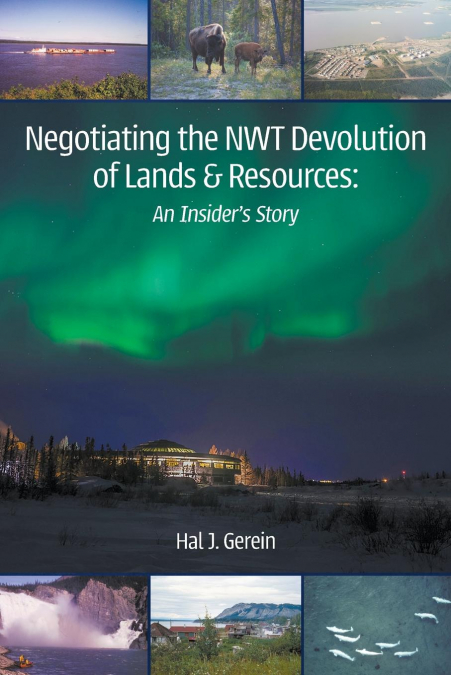
  • Negotiating the NWT Devolution of Lands & Resources
    Hal J. Gerein / Hal JGerein
    In this story, the author is the GNWT's Chief Negotiator for the devolution of lands and resources from Canada. Devolution means the transfer of authority from a senior level of government to a junior level. Many national governments today areinvolved with devolution as a means to "subsidiarity", the principle that politicalpower should be exercised by the least central or ...
    Disponible

    44,75 €

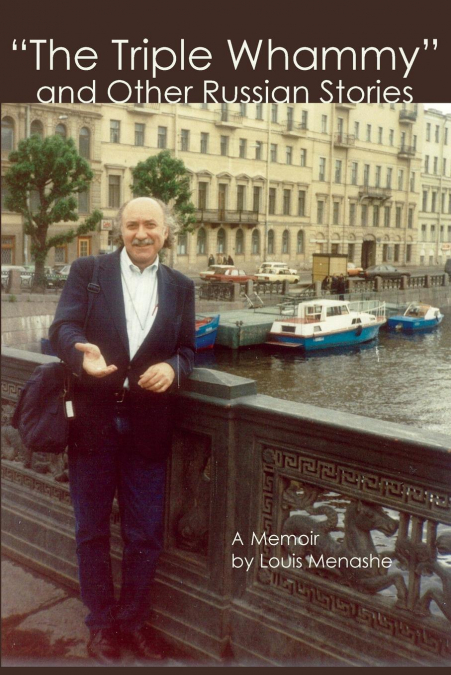
  • 'THE TRIPLE WHAMMY' AND OTHER RUSSIAN STORIES
    Louis Menashe
    A captivating lifetime of personal and professional experiences by an American historian, film specialist and documentary filmmaker in the Soviet Union and post-Soviet Russia. The author’s experiences as a radical in the turbulent 1960s, and his eventual disenchantment offer some precedents and perspectives to all those on the Left, Center or Right interested in the fluctuation...
    Disponible

    26,31 €

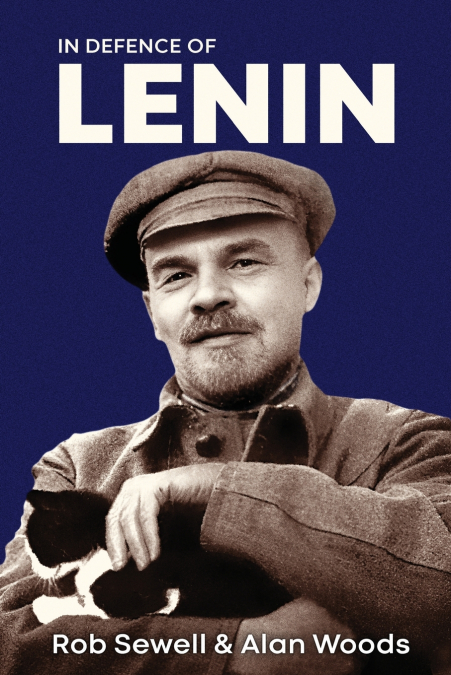
  • In Defence of Lenin
    Alan Woods / Rob Sewell
    John Reed, the author of Ten Days that Shook the World, once said that Lenin was the most loved and the most hated person alive. He was loved by tens of millions who wanted to change society, but hated by the ruling class and their apologists.As the creator of the Bolshevik Party and leader of the Russian Revolution, Lenin was a man who changed the world and translated the idea...
    Disponible

    23,85 €

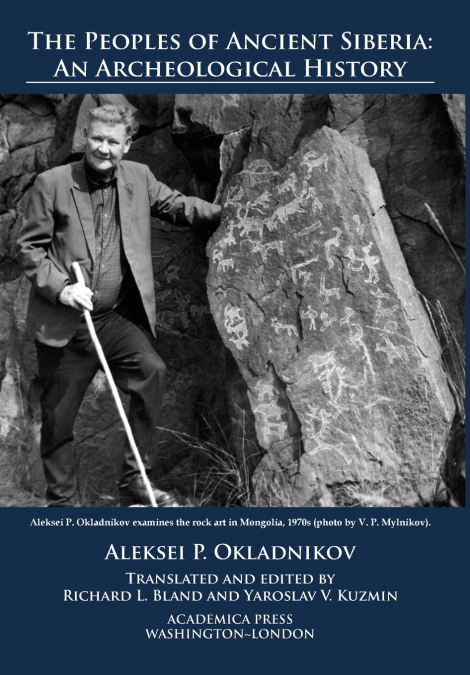
  • The peoples of Ancient Siberia
    Aleksei P Okladnikov / Richard L Bland
    Foreword: Elena A. Okladnikova, Herzen University, St. Petersburg (Russia), Deputy Director for Museum Work at the Peter the Great Museum of Anthropology and Ethnography (Kunstkamera)Translators: Richard L. Bland, Archeologist (retired), U.S. National Park Service, Heritage Research Associates, University of Oregon Museum of Natural and Cultural History; Yaroslav V. Kuzmin, Ins...
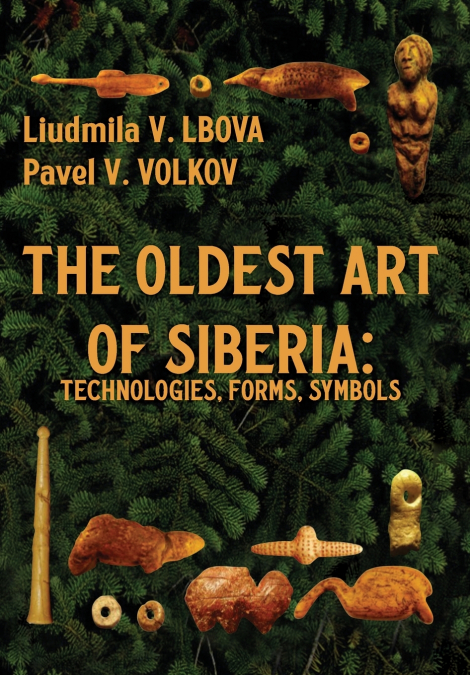
  • The Oldest Art of Siberia
    Liudmila V Lbova / Pavel V Volkov / Richard L Bland
    Primitive art is inseparable from primitive consciousness and can be correctly understood only with the correct socio-cultural context. This book examines the ancient art of Siberia as part of the integral whole of ancient society. ...
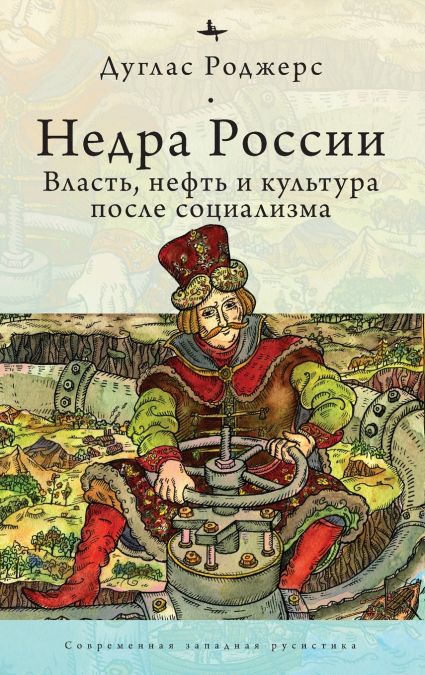
  • The Depths of Russia
    Douglas Rogers / Polina Shubina
    In The Depths of Russia, Yale anthropologist and historian Douglas Rogers tells the history of Russian oil from the perspective of the Perm region of the Urals. From the discovery of world’s first socialist oil in 1929 to the oil-fueled social and cultural politics of the 2000s, he shows how Permian oil illuminates the place of oil in the modern world in new ways. Rogers pays p...

Otros libros del autor

  • Mr. Putin REV
    Clifford G. Gaddy / Fiona Hill
    Fiona Hill and other U.S. public servants have been recognized as Guardians of the Year in TIME’s 2019 Person of the Year issue.From the KGB to the Kremlin: a multidimensional portrait of the man at war with the West.Where do Vladimir Putin's ideas come from? How does he look at the outside world? What does he want, and how far is he willing to go?The great lesson of the o...
  • Mr. Putin REV
    Clifford G. Gaddy / Fiona Hill
    Fiona Hill and other U.S. public servants have been recognized as Guardians of the Year in TIME’s 2019 Person of the Year issue.From the KGB to the Kremlin: a multidimensional portrait of the man at war with the West.Where do Vladimir Putin's ideas come from? How does he look at the outside world? What does he want, and how far is he willing to go?The great lesson of the o...
    Disponible

    42,24 €