 Librería Desdémona
 Librería Samer Atenea
 Librería Aciertas (Toledo)
 Kálamo Books
 Librería Perelló (Valencia)
 Librería Elías (Asturias)
 Donde los libros
 Librería Kolima (Madrid)
 Librería Proteo (Málaga)
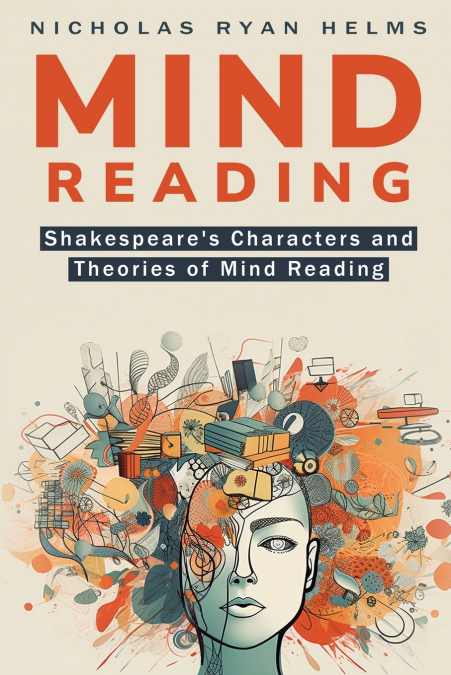
Mindreading is the human ability to look at a person or a literary character andcontemplate what that person is thinking, feeling, and planning. In this dissertation I identify twomethods of mindreading: inference and imagination. Shakespeare uses both methods, at timesconstructing characters by referring to theories of human behavior (inference), at times byreferring to the particular perspective of a character (imagination). I engage current debates aboutthe usefulness of character criticism, but I begin by addressing L. C. Knights’ tongue-in-cheekquestion, 'How many children had Lady Macbeth?' Knights crystallized discontent withnineteenth-century character criticism, a discontent that was picked up by American new criticsand subsequently post-structuralist critics of many stripes. Like Michael Bristol, Jessica Slights,and Paul Yachnin, I argue for a literary criticism that considers characters as if they were realpeople living in recognizable worlds. I add to this conversation by using terms and concepts fromcognitive science that provide clarity to discussions of character. Theories of mindreading offercriticism a language with which to analyze moments of reading and misreading and to considerthe mental workings of fictional characters in Shakespeare’s plays.