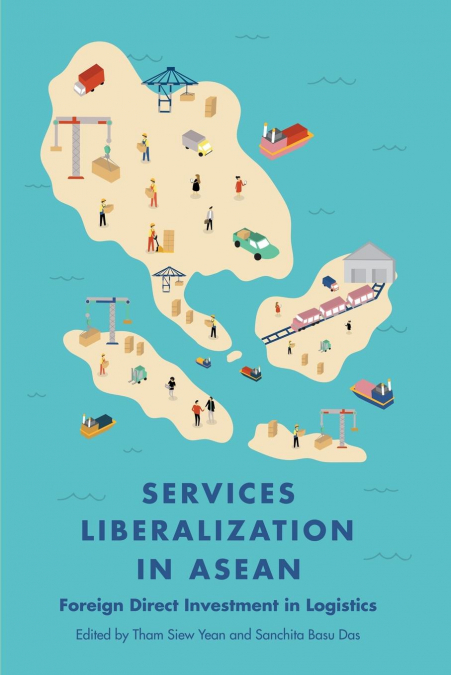

Inicio > Economía, finanzas, empresa y gestión > Economía > Services Liberalization in ASEAN
Services Liberalization in ASEAN

Services Liberalization in ASEAN


36,06 €
IVA incluido
Disponible
Editorial:
ISEAS-Yusof Ishak Institute
Año de edición:
2017
Materia
Economía
ISBN:
9789814786188
36,06 €
IVA incluido
Disponible

Selecciona una librería:

  • Librería Samer Atenea
  • Librería Aciertas (Toledo)
  • Kálamo Books
  • Librería Perelló (Valencia)
  • Librería Elías (Asturias)
  • Donde los libros
  • Librería Kolima (Madrid)
  • Librería Proteo (Málaga)

The services sector plays an important role in ASEAN economies as it accounts for about half of the region’s GDP and more than 45 per cent of its total employment. ASEAN aspires to deepen integration in the services sector in order to enhance the sector’s contribution to economic development and growth in each country. Despite this, services liberalization has progressed slowly compared to goods liberalization both at the multilateral and the regional levels. Different regulatory mechanisms across countries have contributed to the slow pace of liberalization. Logistics is an important industry in the services sector. The integration of logistics is important for deepening economic integration in ASEAN as it facilitates the movement of goods, services and people within and across countries, among producers and from producers to consumers. In view of its importance, ASEAN has identified logistics as one of its priority integration sectors. It has also developed a Connectivity Master Plan and a Strategic Transport Plan, where logistics plays an important role. This book examines the current state of services liberalization in the ten ASEAN economies. It also assesses the FDI enabling environment and the extent of FDI liberalization in the logistics sector as well as the liberalization challenges encountered in each of the ASEAN economies. The book, thus, provides a comparative picture of services liberalization as well as the state of logistics liberalization and development in each of the ten ASEAN member countries. All these have important bearings on deepening ASEAN economic integration for 2025 and beyond.
Artículos relacionados

  • Technological Change and the British Iron Industry, 1700-1870
    Charles K. Hyde
    This book describes technological change in an industry that played a central role in the Indsutrial Revolution. While earlier scholars have examined isolated aspects of ironmaking in the eighteenth- and nineteenth-century Britain, Charles Hyde surveys all aspects of its development. Costs, prices, profits, shrewd leaders, competition, new inventions, and productivity all figur...
    Disponible

    71,94 €

  • Corporate Governance in Asia
    ...
    Disponible

    72,99 €

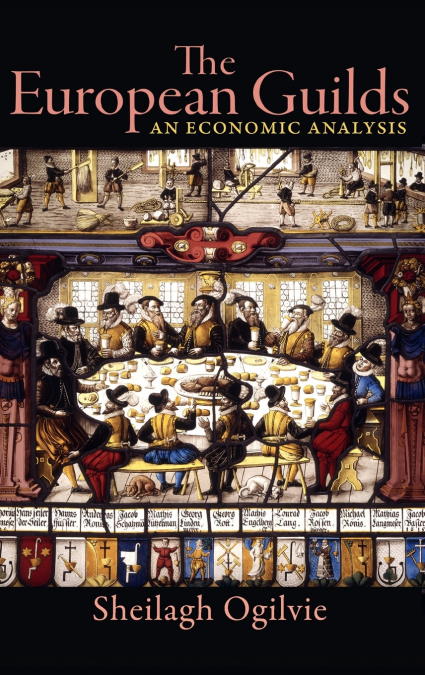
  • The European Guilds
    Sheilagh Ogilvie
    A comprehensive analysis of European craft guilds through eight centuries of economic historyGuilds ruled many crafts and trades from the Middle Ages to the Industrial Revolution, and have always attracted debate and controversy. They were sometimes viewed as efficient institutions that guaranteed quality and skills. But they also excluded competitors, manipulated markets, and ...
  • Technological Change and the British Iron Industry, 1700-1870
    Charles K. Hyde
    This book describes technological change in an industry that played a central role in the Indsutrial Revolution. While earlier scholars have examined isolated aspects of ironmaking in the eighteenth- and nineteenth-century Britain, Charles Hyde surveys all aspects of its development. Costs, prices, profits, shrewd leaders, competition, new inventions, and productivity all figur...
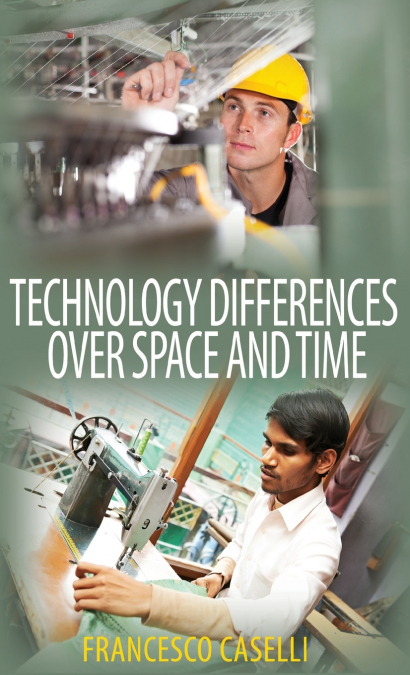
  • Technology Differences over Space and Time
    Francesco Caselli
    Technology Differences over Space and Time looks at how countries use their productive resources-such as workers, skills, equipment and structures, and natural resources. Francesco Caselli develops methods to assess the efficiency with which productive inputs are used, and how these efficiencies vary across countries and over time.Caselli finds that richer countries use skilled...
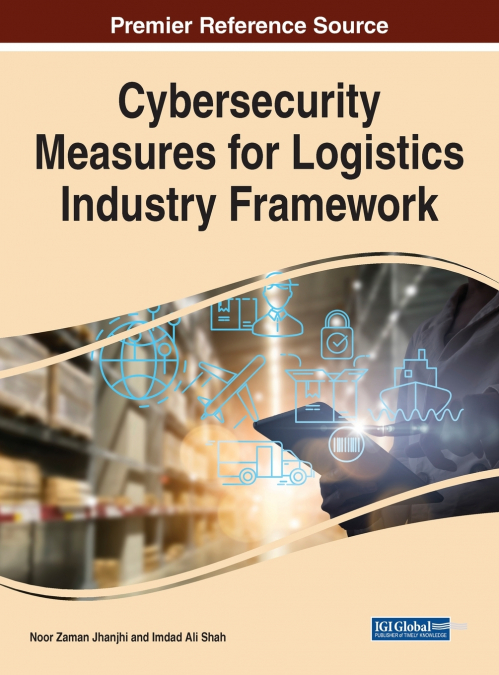
  • Cybersecurity Measures for Logistics Industry Framework
    Global supply chains are becoming more customer-centric and sustainable thanks to next-generation logistics management technologies. Automating logistics procedures greatly increases the productivity and efficiency of the workflow. There is a need, however, to create flexible and dynamic relationships among numerous stakeholders and the transparency and traceability of the supp...