
Inicio > Artes > Música > Sequential Decision-Making in Musical Intelligence
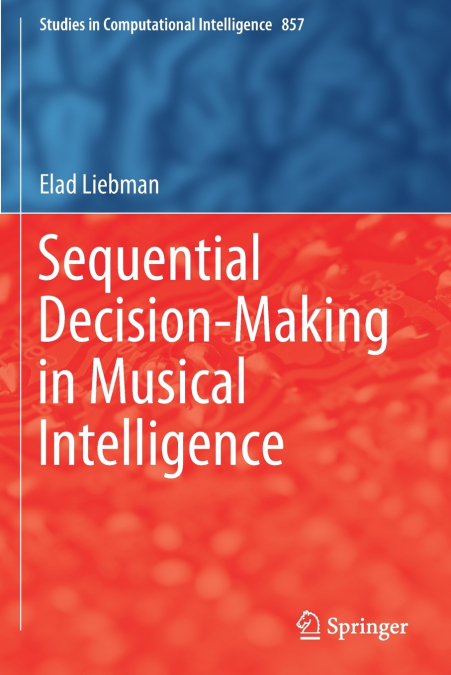
Sequential Decision-Making in Musical Intelligence

Sequential Decision-Making in Musical Intelligence

Elad Liebman

134,72 €
IVA incluido
Consulta disponibilidad
Editorial:
Springer Nature B.V.
Año de edición:
2019
Materia
Música
ISBN:
9783030305185

Selecciona una librería:

  • Librería Samer Atenea
  • Librería Aciertas (Toledo)
  • Kálamo Books
  • Librería Perelló (Valencia)
  • Librería Elías (Asturias)
  • Donde los libros
  • Librería Kolima (Madrid)
  • Librería Proteo (Málaga)

Over the past 60 years, artificial intelligence has grown from an academic field of research to a ubiquitous array of tools used in everyday technology. Despite its many recent successes, certain meaningful facets of computational intelligence have yet to be thoroughly explored, such as a wide array of complex mental tasks that humans carry out easily, yet are difficult for computers to mimic. A prime example of a domain in which human intelligence thrives, but machine understanding is still fairly limited, is music. Over recent decades, many researchers have used computational tools to perform tasks like genre identification, music summarization, music database querying, and melodic segmentation. While these are all useful algorithmic solutions, we are still a long way from constructing complete music agents able to mimic (at least partially) the complexity with which humans approach music. One key aspect that hasn’t been sufficiently studied is that of sequential decision-making in musical intelligence. Addressing this gap, the book focuses on two aspects of musical intelligence: music recommendation and multi-agent interaction in the context of music. Though motivated primarily by music-related tasks, and focusing largely on people’s musical preferences, the work presented in this book also establishes that insights from music-specific case studies can also be applicable in other concrete social domains, such as content recommendation.Showing the generality of insights from musical data in other contexts provides evidence for the utility of music domains as testbeds for the development of general artificial intelligence techniques.Ultimately, this thesis demonstrates the overall value of taking a sequential decision-making approach in settings previously unexplored from this perspective.
Artículos relacionados

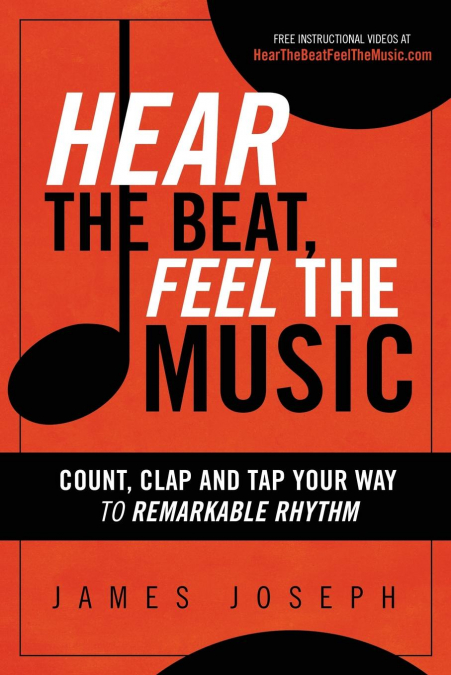
  • Hear the Beat, Feel the Music
    James Joseph
    How do you count music? What’s an 8-count? How do you find the beat in a song?This book, along with more than 20 YouTube videos, will teach you how to count music the easy way—using the 8-count, the way dancers count. If you struggle to stay on the beat, the music lessons in this book are a mini-course in how to get rhythm. Being “rhythmically challenged” is not a lack of abili...
    Disponible

    15,54 €

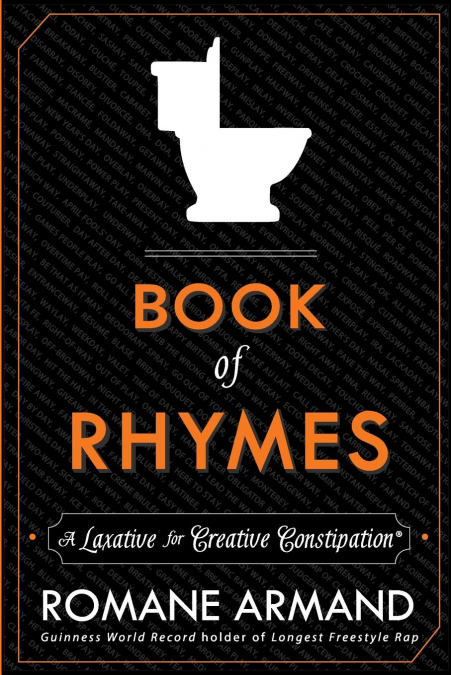
  • Book of Rhymes
    Romane Armand
    What rhymes with Google, or Beyoncé, or better yet, what rhymes with ORANGE? This book full of words that rhyme together has all the answers! With over 50,000 rhyming entries, this essential reference tool will help songwriters, poets, and advertisers overcome writer’s block and quickly find the right rhyming word. It features slang, phrases, idioms, and pop-culture terms, not ...
    Disponible

    27,01 €

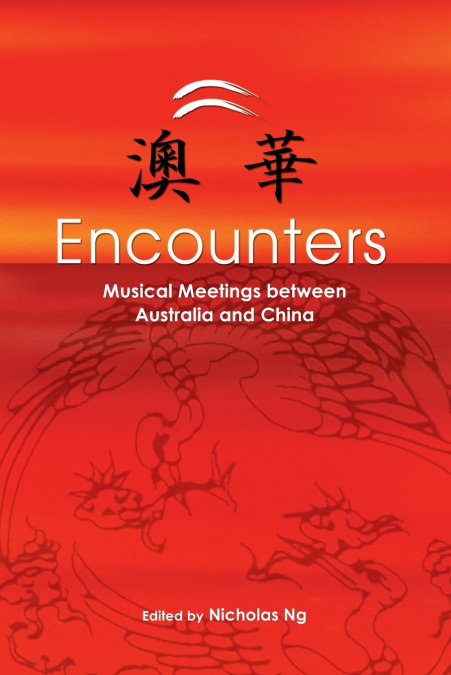
  • Encounters
    Nicholas Ng
    Addressing the themes of: music and history; tradition versus innovation; cultural diversity/intercultural creativity; and music and the related arts; this book  focuses on encounters between China and Australia from the earliest imaginings and representations to the latest cultural exchanges. Here, the reader will find of stories of forbidden love, prejudice and deceit, of ges...
    Disponible

    44,49 €

  • RIVERSONG
    Lee Underwood
    INTRODUCTIONNearly all of the poems included in Riversong are new.They are expressions of personal love, transcendentalrealization, and my deep involvement with nature and music.STREAM. . .RIVER. . .FLOW, that starts off the FOREVERSONGS Section, for example, is a journey from youth’s firstrealization of the power of music, when as a nine-year-oldboy, lying in bed, I held a pla...
    Disponible

    13,09 €

  • کمانچه نوازی نوین
    Sina Alam
    در این کتاب سعی کرده ام کمانچه را به عنوان یک ساز زهی_آرشه ای کامل و واقعی بشناسانم و تا جایی که می شود شخصیتی کششی برای آن بسازم .همچنین مقوله بسیار مهمی را که سال ها آهنگسازان و نوازندگان با آن درگیر بوده اند حل کنم-انتقالی بودن ساز کمانچه-.اشتباه بزرگی که موجب سختی در نگارش و نوازندگی می شد،نگاه انتقالی به این ساز بوده که درکتاب با نگاه بی طرفانه به حل این مشکل پُرداخته ام.ن...
    Disponible

    34,39 €

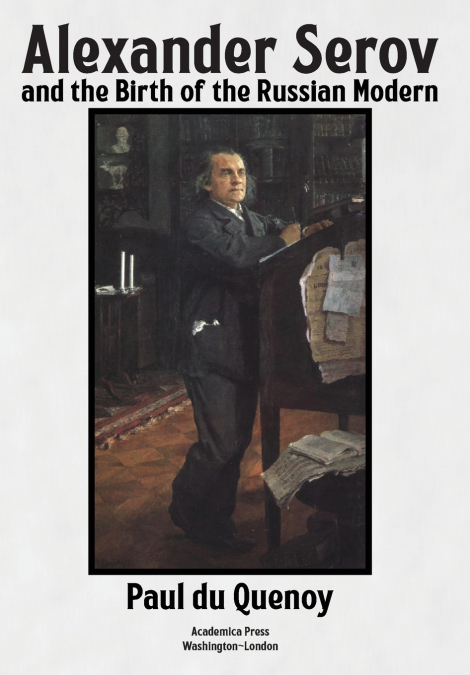
  • Alexander Serov and the Birth of the Russian Modern
    Paul du Quenoy
    When did Russia become 'modern?' Historians of Russia - including even many Russian historians - have long tried to identify Russia’s 'modern' moment. While most scholars have looked to economic or ideological transitions, noted historian and critic Paul du Quenoy approaches the problem through culture, and specifically the performing arts, as told through the prism of one of i...

Otros libros del autor

  • Sequential Decision-Making in Musical Intelligence
    Elad Liebman
    Over the past 60 years, artificial intelligence has grown from an academic field of research to a ubiquitous array of tools used in everyday technology. Despite its many recent successes, certain meaningful facets of computational intelligence have yet to be thoroughly explored, such as a wide array of complex mental tasks that humans carry out easily, yet are difficult for com...
    Disponible

    136,07 €