Senile Dementia

Senile Dementia

Bernard Ineichen

66,99 €
IVA incluido
Disponible
Editorial:
Springer Nature B.V.
Año de edición:
1989
ISBN:
9780412337901
66,99 €
IVA incluido
Disponible

Selecciona una librería:

  • Librería Samer Atenea
  • Librería Aciertas (Toledo)
  • Kálamo Books
  • Librería Perelló (Valencia)
  • Librería Elías (Asturias)
  • Donde los libros
  • Librería Kolima (Madrid)
  • Librería Proteo (Málaga)

The concept of dementia has itself been the subject of increasing refinement and precision in definition and diagnosis. Two important sub-types have been identified: Alzheimer’s disease and multiple-infarct dementia. Alzheimer’s disease or Senile Dementia of the Alzheimer Type (SDA T), arises out of changes in the brain which are as yet poorly understood and identifiable with certainty only at post­ mortem examination. This type of dementia has been named after Alois Alzheimer, who first identified these changes, in the earliest years of this century. Alzheimer’s is the commonest type of identified dementia. The second commonest type is multi-infarct dementia (MID), which follows a stroke or strokes affecting the relevant part of the brain. Like SDA T, it can be diagnosed with certainty only after death, although Jorm (1987, Ch. 8) reviews progress in using various types of tests which can suggest, if not confirm, its presence during the sufferer’s lifetime. As will be shown in Chapter 2, some populations appear to reverse the general picture and exhibit more MID than SDAT. Many dementia sufferers cannot, even after a post-mortem examination, be neatly categorized as one or the other of these sub-types. A considerable uncertain ’grey area’ of dementia remains at present very poorly understood. Some elderly people develop dementia as a side-effect of known physical disease. Some of these conditions are curable. Care of the demented person has traditionally taken place in the community: hospitalization is a fairly recent innovation.

Artículos relacionados

  • Geographic Information Systems and Public Health
    Andrew Curtis
    ...
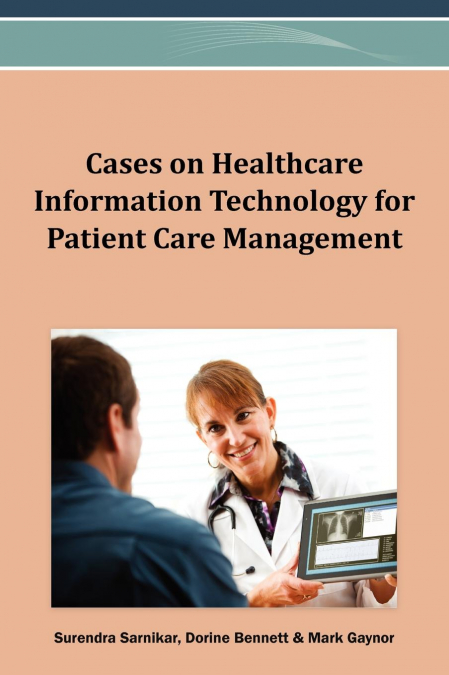
  • Cases on Healthcare Information Technology for Patient Care Management
    Health care organizations have made investments in health information technologies such as electronic health records, health information exchanges, and many more, which have increased the importance of Health Information Technology studies. Cases on Healthcare Information Technology for Patient Care Management highlights the importance of understanding the potential challenges ...
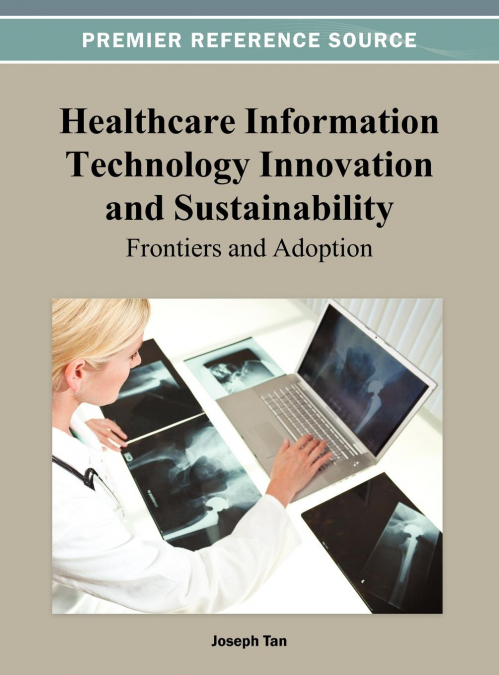
  • Healthcare Information Technology Innovation and Sustainability
    Joseph Tan
    Healthcare Information Technology Innovation and Sustainability: Frontiers and Adoption presents research in the emerging field on information systems and informatics in the healthcare industry. By addressing innovative concepts and critical issues through case studies and experimental research, this reference source is useful for practitioners, researchers and academics aiming...
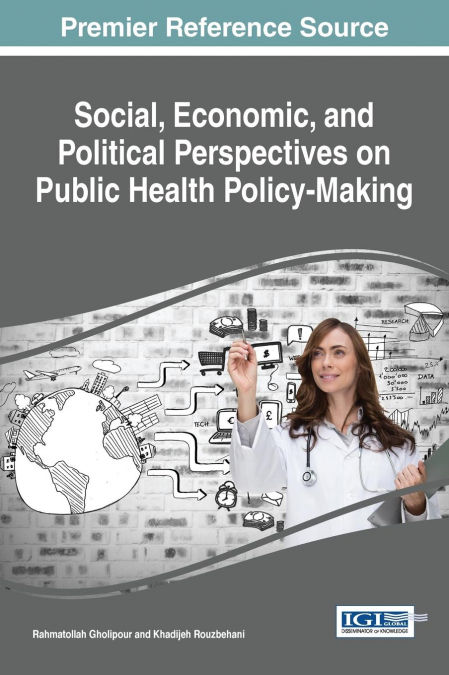
  • Social, Economic, and Political Perspectives on Public Health Policy-Making
    Presently, the healthcare industry is grappling with many challenges both nationally and globally, including escalating costs, a move to a preventative care environment and a technology savvy patient with high expectations. To accommodate the changing health demands of the current global population, public healthcare policy must undergo a critical analysis. Social, Economic, an...
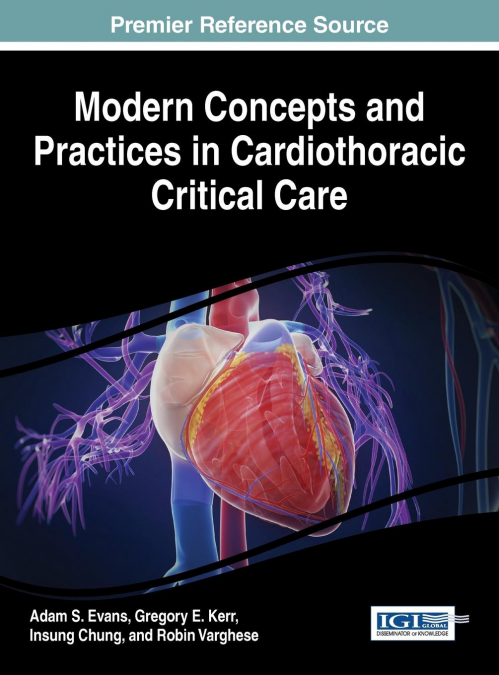
  • Modern Concepts and Practices in Cardiothoracic Critical Care
    Adam S Evans / Gregory E Kerr / Insung Chung
    With an increase in admission to intensive care units, medical professionals must search for the best practices and procedures to provide efficient medical care to each patient. Despite medical advances, there is still a need for well-trained cardiovascular intensivists to meet the needs of patients. Modern Concepts and Practices in Cardiothoracic Critical Care brings together ...
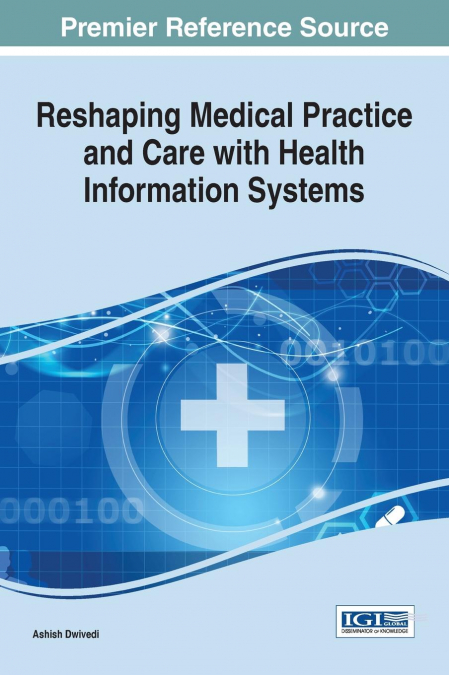
  • Reshaping Medical Practice and Care with Health Information Systems
    Ashish Dwivedi
    Technology has become an integral part of our daily interactions, even within the hospitals and healthcare facilities we rely on in times of illness and injury. New technologies and systems are being developed every day, advancing the ways that we treat and maintain the health and wellbeing of diverse populations. Reshaping Medical Practice and Care with Health Information Syst...

Otros libros del autor

  • Senile Dementia
    Bernard Ineichen
    The concept of dementia has itself been the subject of increasing refinement and precision in definition and diagnosis. Two important sub-types have been identified: Alzheimer’s disease and multiple-infarct dementia. Alzheimer’s disease or Senile Dementia of the Alzheimer Type (SDA T), arises out of changes in the brain which are as yet poorly understood and identifiable with c...
    Disponible

    48,55 €