Librería Samer Atenea
 Librería Aciertas (Toledo)
 Kálamo Books
 Librería Perelló (Valencia)
 Librería Elías (Asturias)
 Donde los libros
 Librería Kolima (Madrid)
 Librería Proteo (Málaga)
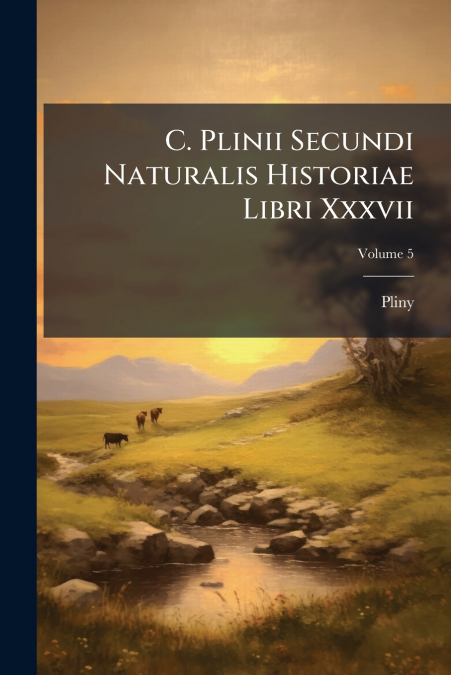
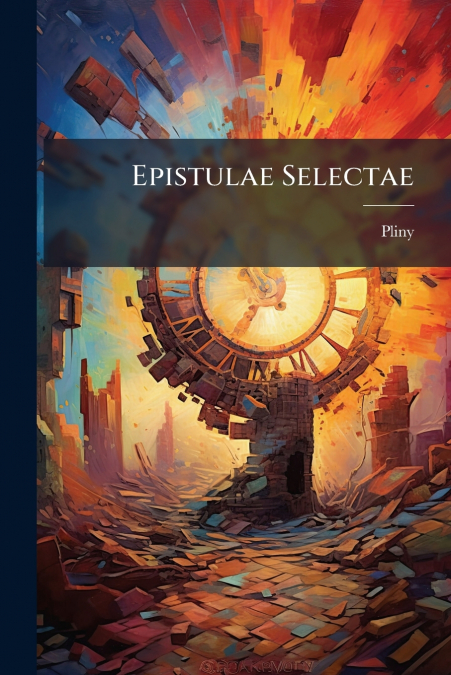
This collection presents a selection of the letters of Pliny the Younger, offering a fascinating glimpse into the life and times of a prominent Roman citizen during the late 1st and early 2nd centuries AD. Pliny’s letters, renowned for their elegant style and insightful observations, cover a wide range of topics, from political events and social customs to personal anecdotes and philosophical reflections.Included are letters detailing the eruption of Mount Vesuvius in 79 AD, offering a firsthand account of this cataclysmic event. The letters also reveal Pliny’s thoughts on literature, rhetoric, and the duties of a public servant. Select Letters of Pliny the Younger provides invaluable insights into the daily life, values, and intellectual pursuits of the Roman elite, making it an essential resource for students and anyone interested in Roman history and literature.This work has been selected by scholars as being culturally important, and is part of the knowledge base of civilization as we know it. This work was reproduced from the original artifact, and remains as true to the original work as possible. Therefore, you will see the original copyright references, library stamps (as most of these works have been housed in our most important libraries around the world), and other notations in the work.This work is in the public domain in the United States of America, and possibly other nations. Within the United States, you may freely copy and distribute this work, as no entity (individual or corporate) has a copyright on the body of the work.As a reproduction of a historical artifact, this work may contain missing or blurred pages, poor pictures, errant marks, etc. Scholars believe, and we concur, that this work is important enough to be preserved, reproduced, and made generally available to the public. We appreciate your support of the preservation process, and thank you for being an important part of keeping this knowledge alive and relevant.