
Inicio > Matemáticas y ciencia > Química > Secondary Metabolites Based Green Synthesis of Nanomaterials and Their Applications
Secondary Metabolites Based Green Synthesis of Nanomaterials and Their Applications

Secondary Metabolites Based Green Synthesis of Nanomaterials and Their Applications

Azamal Husen

221,25 €
IVA incluido
Consulta disponibilidad
Editorial:
Springer Nature B.V.
Año de edición:
2023
Materia
Química
ISBN:
9789819909261

Selecciona una librería:

  • Librería Samer Atenea
  • Librería Aciertas (Toledo)
  • Kálamo Books
  • Librería Perelló (Valencia)
  • Librería Elías (Asturias)
  • Donde los libros
  • Librería Kolima (Madrid)
  • Librería Proteo (Málaga)

Nanotechnology is gaining importance in every field of science and technology. Green synthesis of nanomaterials involves the use of microorganisms such as bacteria, fungi, viruses; and different lower and higher plants. Green synthesis of nanomaterials from plant extracts becoming popular in comparison to synthesis using microorganisms. Plant based-nanomaterials synthesis is easy, have no need to bring back from the culture medium, and is safe. Additionally, plant-based nanomaterials are eco-friendly, in comparison to physical and chemical modes of synthesis. Several lower and higher plants are rich in terms of secondary metabolites. These metabolites have been used as medicine in crude extract form or with some other formulations. They have been also used to isolate the bioactive compounds in modern medicine as well as in herbal medicine systems. Thus, phytochemicals present in the plant and their parts play an important role in nanomaterials synthesis, mainly due to the presence of a significant number of secondary metabolites, for instance, alkaloids, flavonoids, saponins, steroids, tannins, etc. Further, essential and aromatic oils have been also explored for nanomaterials synthesis, and they are also equally useful in terms of their various biological applications. These organic ingredients come from a wide range of plant components, such as leaves, stems, roots, shoots, flowers, bark, and seeds. Globally, the presence of different plants has shown a capability to produce huge and diverse groups of secondary metabolites. The functional groups present in the plant extract acts as capping and stabilizing agent. Most of the time, pure isolated bioactive compounds are more biologically active; hence scholars are focusing their research on the synthesis of nanomaterials using some particular class of secondary metabolites. Investigations have shown that the green synthesized nanomaterials were found to be more biologically active in comparison to chemically synthesized nanomaterials. These nanomaterials and or nanocomposites found different applications especially in drug delivery, detection and cure of cancer cells, diagnosis of a genetic disorder, photoimaging, and angiogenesis detection. They have also shown several applications in agricultural, horticultural as well as forestry sectors. The book in hand covers a wide range of topics as mentioned above. It incorporates chapters that the authors have skilfully crafted with clarity and precision, reviewing up-to-date literature with lucid illustrations. The book would cater to the need of graduate students as a textbook and simultaneously be useful for both novices and experienced scientists and or researchers working in the discipline of nanotechnology, nanomedicine, medicinal plants, plant science, economic botany, chemistry, biotechnology, pharmacognosy, pharmaceuticals, industrial chemistry, and many other interdisciplinary subjects. It should also inspire industrialists and policy makers associated with plant-based nano products.

Artículos relacionados

  • Suzuki-Miyaura Cross-Coupling Reaction and Potential Applications
    Suzuki–Miyaura cross-coupling remains a powerful tool in organic synthesis for C–C bond formation and has various industrial applications, for example, the synthesis of pharmaceuticals and materials. Intensive research efforts are being made into finding ways of improving and expanding the scope of this process, and the development of more efficient catalytic systems for this e...
    Disponible

    67,89 €

  • Catalysis for Low Temperature Fuel Cells
    Today, the development of active and stable catalysts still represents a challenge to overcome in the research field of low temperature fuel cells. Operation at low temperatures demands the utilization of highly active catalysts to reduce the activation energy of the electrochemical reactions involved at the electrodes, and thus obtain practical performances and high efficienci...
    Disponible

    59,74 €

  • Trends in Microextraction Techniques for Sample Preparation
    Micro-extraction techniques in sample preparation are gaining interest among analytical chemists as they comply with green analytical chemistry demands and ensure environmental protection and public safety. Savings in cost and time are considered as valuable benefits by using novel micro-extraction approaches in sample handling. Selectivity, sensitivity and lower detection limi...
    Disponible

    59,87 €

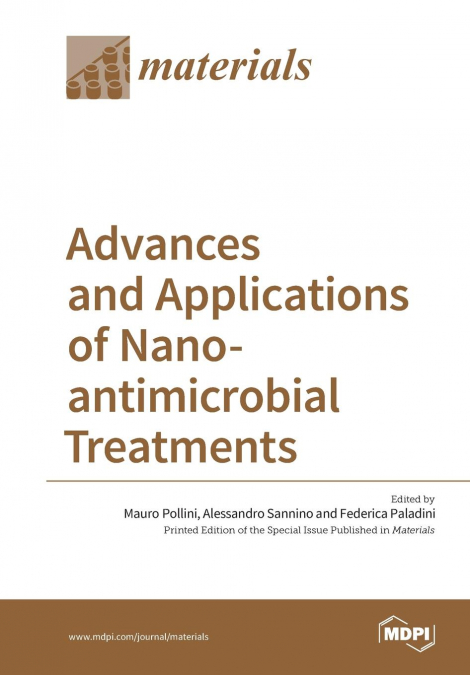
  • Advances and Applications of Nano-antimicrobial Treatments
    Nowadays, great concerns are associated with the resistance demonstrated by many microorganisms towards the conventional antibiotic therapies. The failure of traditional antimicrobials, and the increasing healthcare costs, have encouraged scientific research and the development of novel antimicrobial agents. Particularly, there is a great deal of interest in nanotechnologies an...
    Disponible

    51,68 €

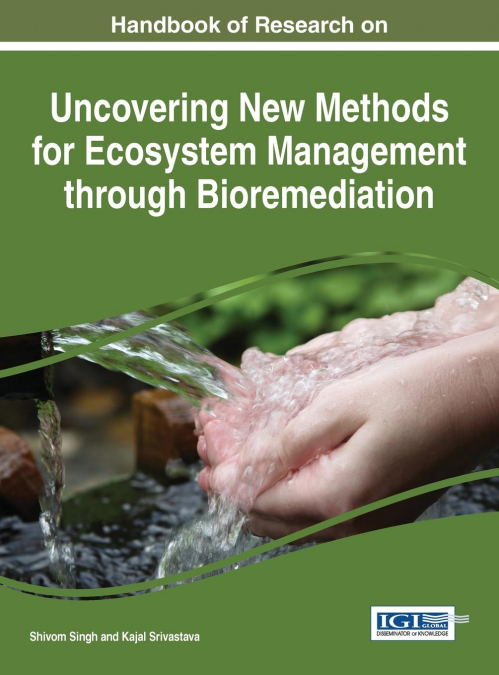
  • Handbook of Research on Uncovering New Methods for Ecosystem Management through Bioremediation
    Kajal Srivastava / Shivom Singh
    Maintaining and preserving the environment is a crucial consideration in an era where climate change and rising sea levels are common knowledge. It is important for researchers and developers alike to explore potential solutions for a steadily warming world. The Handbook of Research on Uncovering New Methods for Ecosystem Management through Bioremediation focuses on the agricul...
  • Structural Design and Properties of Coordination Polymers
    The assembly of organic ligands and metal centres yields coordination polymers, many of which find applications in conductivity, catalysis, magnetism, gas sorption, biological sensing and luminescence. The structure and topology of coordination polymers may be manipulated by changing the reaction conditions, leading to a large variety of structurally and topologically unique pr...
    Disponible

    43,77 €

Otros libros del autor

  • Enhanced Crop Production Setup Under Various Micro and Nano Contaminants
    Azamal Husen
    This book explores the uptake, toxicity, and tolerance of various contaminants in crop plants and discusses genetic and molecular methods, as well as biological tools, to improve plant growth under contamination stress. The book also covers defense mechanisms in plants using phytohormones and nanomaterials, along with safety concerns related to micro and nano-contaminants. Cont...
  • Nanobiotechnology for Abiotic Stress Adaptation and Mitigation in Agricultural Crops
    Azamal Husen
    Nanobiotechnology has emerged as an innovative and rapidly advancing field that combines the progress of nanotechnology with biological sciences, especially cellular and molecular biology. Several metal and metal-oxide nanoparticles (NPs) have shown great potential in boosting the performance of agricultural crops under challenging conditions. NPs enhance plant resistance to st...
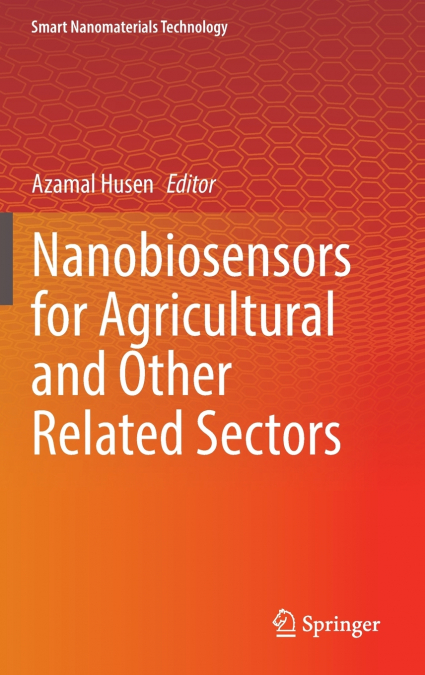
  • Nanobiosensors for Agricultural and Other Related Sectors
    Azamal Husen
    This book explores the transformative role of nanotechnology in modern farming. With a focus on nanosensors and nanobiosensors, this book highlights their growing applications in agriculture to monitor critical environmental and agricultural factors. Nanosensors, utilizing advanced materials like carbon nanotubes and quantum dots, offer solutions for detecting pollutants, measu...
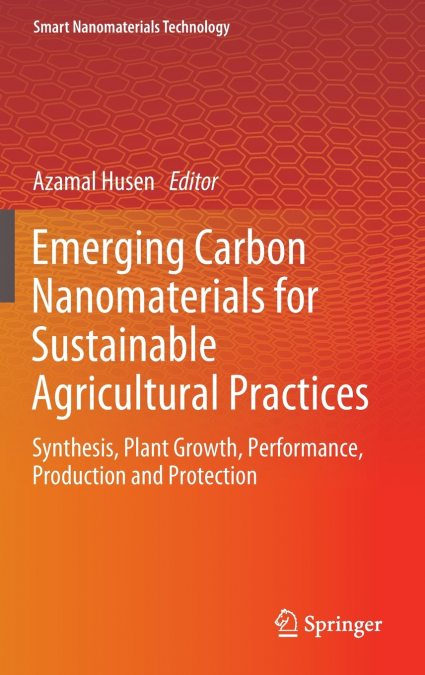
  • Emerging Carbon Nanomaterials for Sustainable Agricultural Practices
    Azamal Husen
    The potential use of carbon-based nanomaterials in overall plant systems has not yet received much research, and the results that have been reported are typically descriptive and inconsistent with little knowledge of the underlying mechanisms of action. Changes in gene expression and enhanced ROS production are among the physiological processes that may be impacted by interacti...
  • Plant Response to Silver Nanoparticles
    Azamal Husen
    This book looks at the plant response to silver nanoparticles (Ag-NPs), which showed both beneficial and harmful effects in a plant system. These responses of Ag-NPs are primarily dependent on the concentration, plant species or cultivars, exposure time, shape, and size of NPs. In general, lower concentrations of Ag-NPs increase seed germination, rate of photosynthesis, and ove...
  • Agricultural Crop Improvement
    Azamal Husen
    Agricultural Crop Improvement: Plant and Soil Relationships addresses key issues of crop plants yield and production, with molecular and physiological interventions to evolve future strategies that will overcome these challenges faced by the agricultural sector. ...