Inicio > Medicina > Medicina clínica e interna > Neurología y neurofisiología clínicas > Secondary Influences on Neuropsychological Test Performance
Secondary Influences on Neuropsychological Test Performance

Secondary Influences on Neuropsychological Test Performance

Peter A Arnett

290,56 €
IVA incluido
Consulta disponibilidad
Editorial:
Oxford University Press
Año de edición:
2012
Materia
Neurología y neurofisiología clínicas
ISBN:
9780199838615

Selecciona una librería:

  • Librería Samer Atenea
  • Librería Aciertas (Toledo)
  • Kálamo Books
  • Librería Perelló (Valencia)
  • Librería Elías (Asturias)
  • Donde los libros
  • Librería Kolima (Madrid)
  • Librería Proteo (Málaga)

It has long been appreciated among clinical neuropsychologists that both primary and secondary factors contribute to cognitive dysfunction in neurological patients. Primary influences are the direct result of the extent and location of damage to the brain. Secondary influences stem from something associated with brain injury or disease besides the specific areas of the brain affected. For example, a patient with a neurological disease may develop depression, something which in turn often impacts cognitive functioning. Other secondary factors associated with disease besides depression can also negatively impact cognitive functioning, including anxiety, pain, fatigue, and motor impairments, to name a few. Despite the widespread appreciation of the importance of such secondary factors on cognitive functioning in clinical neuropsychology, there has never been a single source for this information that is readily available to clinicians and researchers. The present volume provides such a source, using an evidence-based framework comprised of two broad sections. The first section includes chapters that comprehensively address particular secondary influences, independent of any particular neurological disorder. For example, there are chapters on the impact on cognitive functioning of depression, anxiety, fatigue, pain, diagnosis threat, and symptom invalidity. The second section has chapters that focus on specific neurological conditions and the most salient secondary factors that need to be considered in these conditions. Multiple Sclerosis, HIV, Parkinson’s Disease, Traumatic Brain Injury, Alzheimer’s Disease/MCI/Stroke, and Epilepsy are all considered. The chapters include vivid case studies that illustrate the principles outlined in the chapters to help clinicians consider how such principles can apply to particular patients. Chapters also include evidence-based guidelines for clinical practice. The final chapter highlights some areas espe
Artículos relacionados

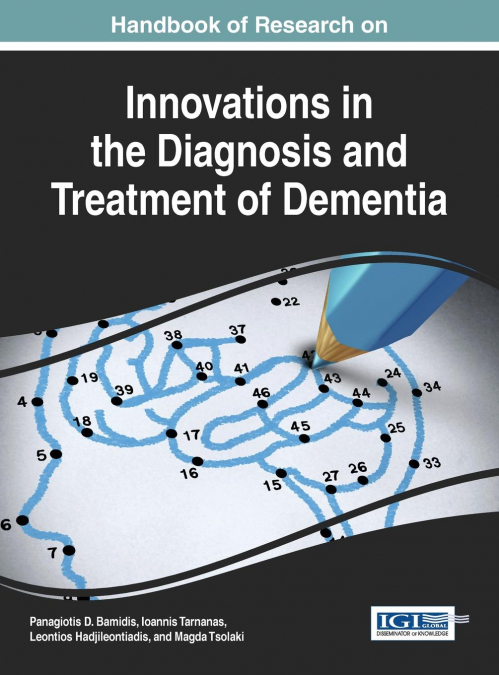
  • Handbook of Research on Innovations in the Diagnosis and Treatment of Dementia
    Ionnis Tarnanas / Leontios Hadjileontiadis / Panagiotis D Bamidis
    Technology is playing an increasing role in the lives of the elderly. One of the most prevalent developments for the aging population is the use of technological innovations for intervention and treatment of individuals with mental impairments. The Handbook of Research on Innovations in the Diagnosis and Treatment of Dementia offers empirical research and theoretical analyses o...
  • Biomedical Engineering and Cognitive Neuroscience for Healthcare
    Jinglong Wu
    New developments in medical technology have paved the way for the ongoing studies of cognitive neuroscience and biomedical engineering for healthcare. Their different but interconnected aspects of science and technology seek to provide new solutions for difficult healthcare problems and impact the future of the quality of life. Biomedical Engineering and Cognitive Neuroscience ...
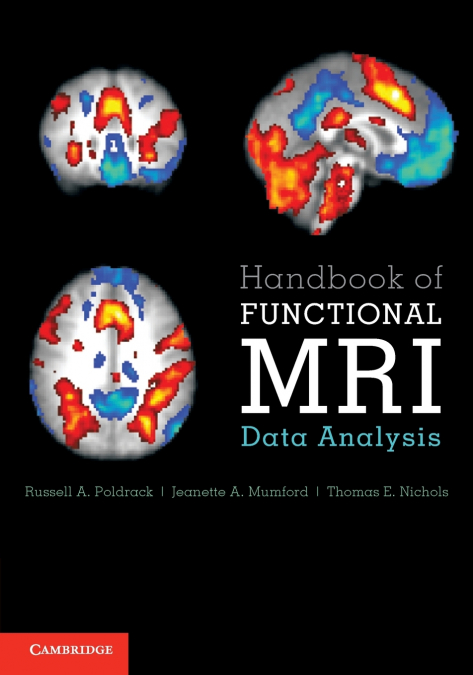
  • Handbook of Functional MRI Data Analysis
    Jeanette A. Mumford / Russell A. Poldrack / Thomas E. Nichols
    ...
    Disponible

    63,88 €

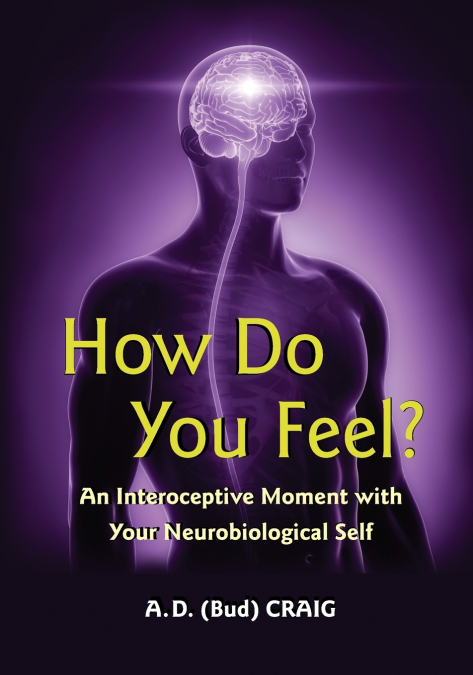
  • How Do You Feel?
    A. D. Craig
    A book that fundamentally changes how neuroscientists and psychologists categorize sensations and understand the origins and significance of human feelingsHow Do You Feel? brings together startling evidence from neuroscience, psychology, and psychiatry to present revolutionary new insights into how our brains enable us to experience the range of sensations and mental states kno...
    Disponible

    47,73 €

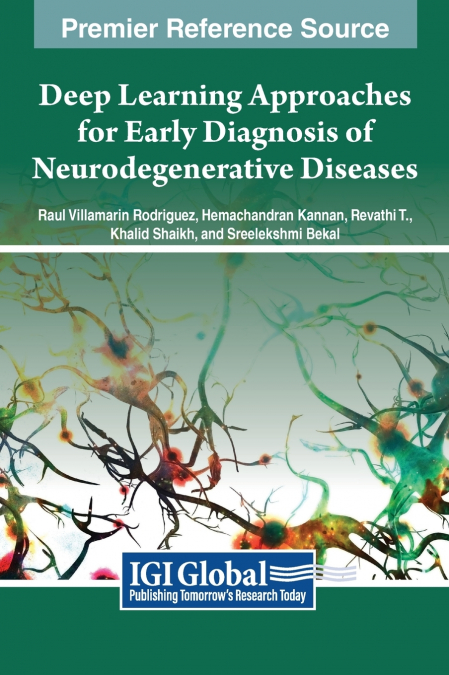
  • Deep Learning Approaches for Early Diagnosis of Neurodegenerative Diseases
    Within the context of global health challenges posed by intractable neurodegenerative diseases like Alzheimer’s and Parkinson’s, the significance of early diagnosis is critical for effective intervention, and scientists continue to discover new methods of detection. However, actual diagnosis goes beyond detection to include a significant analysis of combined data for many cases...
  • Ignite Global Change
    Alessandro Crimi
    Your essential guide to global entrepreneurship and activism. From Accra and Mumbai to Milan and New York, a vibrant new generation of activist entrepreneurs turn visionary ideas into impactful realities. Ignite Global Change offers a roadmap for crafting wealth from minimal resources, from ideation to implementation. Its practical, real-world approach provides strategies that ...
    Disponible

    23,34 €