Inicio > Humanidades > Filosofía > Ética y filosofía moral > Secondary Analysis of Electronic Health Records
Secondary Analysis of Electronic Health Records

Secondary Analysis of Electronic Health Records

MIT Critical Data

47,07 €
IVA incluido
Disponible
Editorial:
Springer Nature B.V.
Año de edición:
2016
Materia
Ética y filosofía moral
ISBN:
9783319437415
47,07 €
IVA incluido
Disponible

Selecciona una librería:

  • Librería Samer Atenea
  • Librería Aciertas (Toledo)
  • Kálamo Books
  • Librería Perelló (Valencia)
  • Librería Elías (Asturias)
  • Donde los libros
  • Librería Kolima (Madrid)
  • Librería Proteo (Málaga)

This book trains the next generation of scientists representing different disciplines to leverage the data generated during routine patient care. It formulates a more complete lexicon of evidence-based recommendations and support shared, ethical decision making by doctors with their patients.  Diagnostic and therapeutic technologies continue to evolve rapidly, and both individual practitioners and clinical teams face increasingly complex ethical decisions. Unfortunately, the current state of medical knowledge does not provide the guidance to make the majority of clinical decisions on the basis of evidence. The present research infrastructure is inefficient and frequently produces unreliable results that cannot be replicated. Even randomized controlled trials (RCTs), the traditional gold standards of the research reliability hierarchy, are not without limitations. They can be costly, labor intensive, and slow, and can return results that are seldom generalizableto every patient population. Furthermore, many pertinent but unresolved clinical and medical systems issues do not seem to have attracted the interest of the research enterprise, which has come to focus instead on cellular and molecular investigations and single-agent (e.g., a drug or device) effects. For clinicians, the end result is a bit of a 'data desert' when it comes to making decisions. The new research infrastructure proposed in this book will help the medical profession to make ethically sound and well informed decisions for their patients.

Artículos relacionados

  • Ka Ab Ba Building The Lighted Temple
    Dr Terri R. Nelson / Dr Terri RNelson
    The book KaAbBa Building The Lighted Temple/Metaphysical Keys to the Tree of Life draws a circle that is inclusive of the Afrikan origin of the Ancient Kemetic/Egyptian wisdom. It reveals the undeniable root and link of Ancient Africa to all the religious systems that would develop worldwide. This book is explosive in its power to convey the meaning of KaAbBa, the Medu Neter  (...
    Disponible

    37,41 €

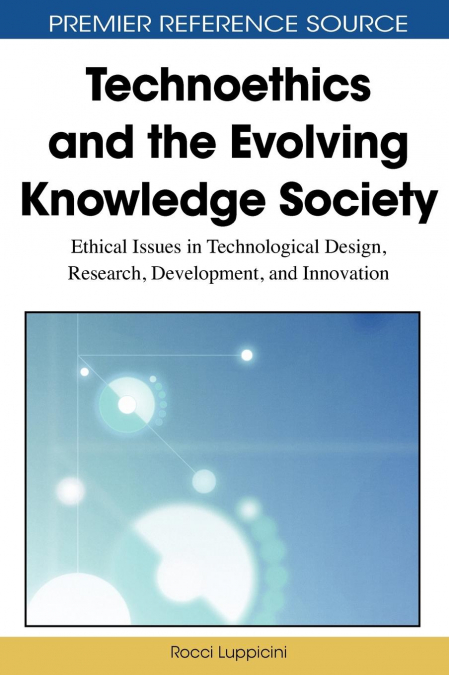
  • Technoethics and the Evolving Knowledge Society
    Rocci Luppicini
    Recently, there has been a major push to rediscover the ethical dimension of technology across the sciences, social sciences, and humanities. Technoethics and the Evolving Knowledge Society: Ethical Issues in Technological Design, Research, Development, and Innovation examines human processes and practices connected to technology embedded within social, political, and moral sph...
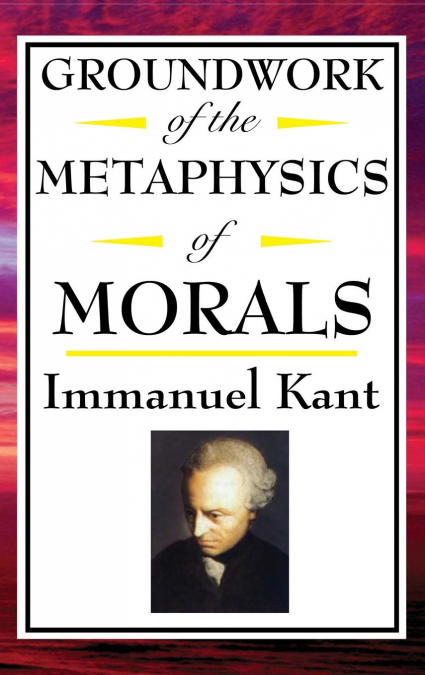
  • Kant
    Immanuel Kant
    Kant’s Groundwork of the Metaphysics of Morals is one of the most important works in modern moral philosophy. It belongs beside Plato, Aristotle, Machiavelli, and Hobbes. Here Kant sets out to articulate and defend the Categorical Imperative - the fundamental principle that underlies moral reasoning - and to lay the foundation for a comprehensive account of justice and human vi...
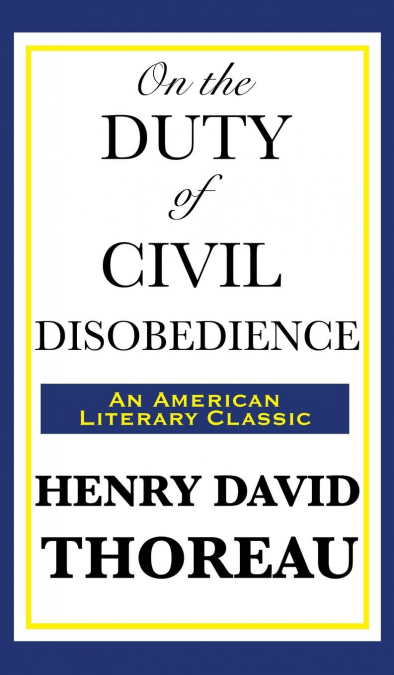
  • On the Duty of Civil Disobedience
    HENRY DAVID THOREAU
    Civil Disobedience argues that citizens should not permit their governments to overrule their consciences, and that they have a duty to avoid allowing their acquiescence to enable the government to make them the agents of injustice. Thoreau was motivated in part by his disgust with slavery and the Mexican-American War, but the sentiments he expresses here are just as pertinent ...
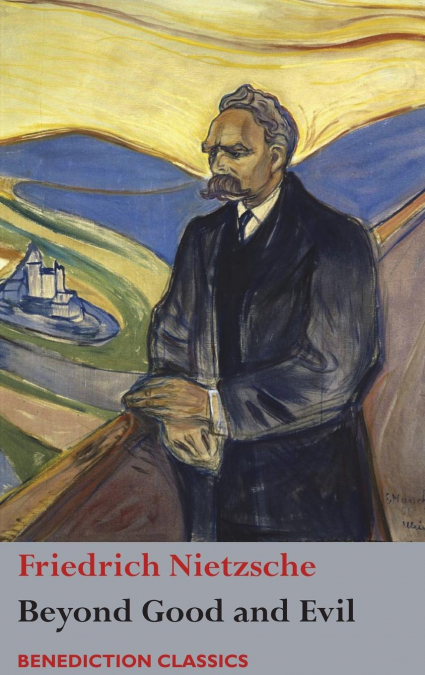
  • Beyond Good and Evil
    Friedrich Nietzsche
    Nietzsche, though primarily a philosopher, wrote widely on art, philology, history, religion, tragedy, culture, and science.  In 1886, at the height of his powers, he published Beyond Good and Evil.  Here he examines much of the best of human thought--dogmatic philosophy, Judeo-Christian morality, science and democracy – and finds it lacking.  Rejecting “slave-morality” he pres...
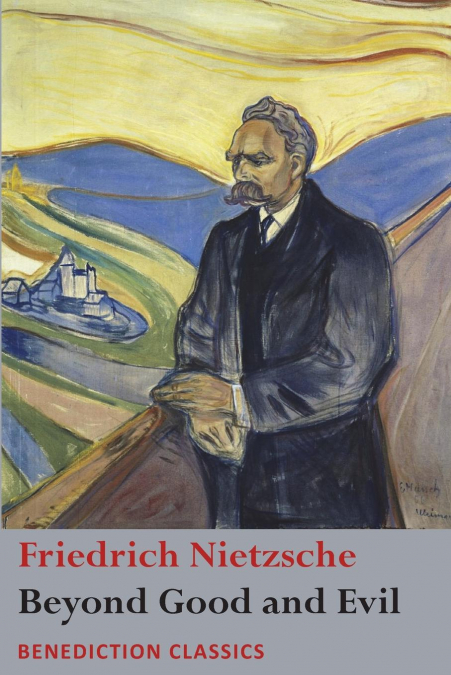
  • Beyond Good and Evil
    Friedrich Nietzsche
    Nietzsche, though primarily a philosopher, wrote widely on art, philology, history, religion, tragedy, culture, and science.  In 1886, at the height of his powers, he published Beyond Good and Evil.  Here he examines much of the best of human thought--dogmatic philosophy, Judeo-Christian morality, science and democracy – and finds it lacking.  Rejecting “slave-morality” he pres...
    Disponible

    9,99 €