 Librería Samer Atenea
 Kálamo Books
 Librería Elías (Asturias)
 Librería Kolima (Madrid)
 Librería Proteo (Málaga)
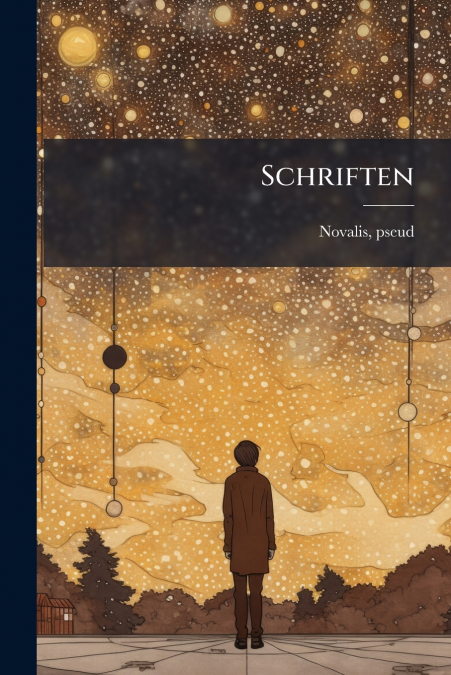
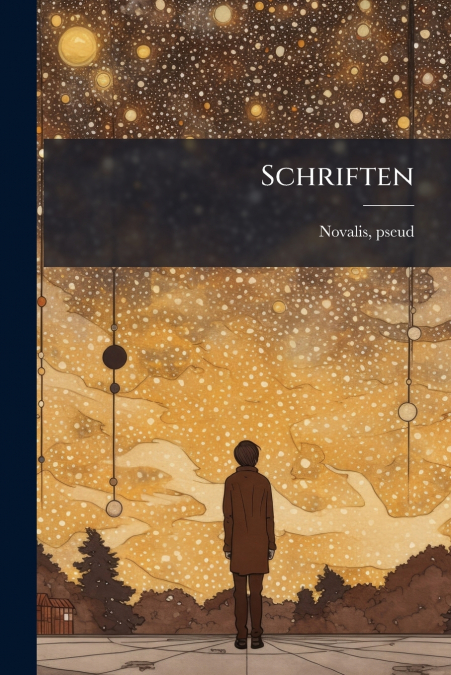
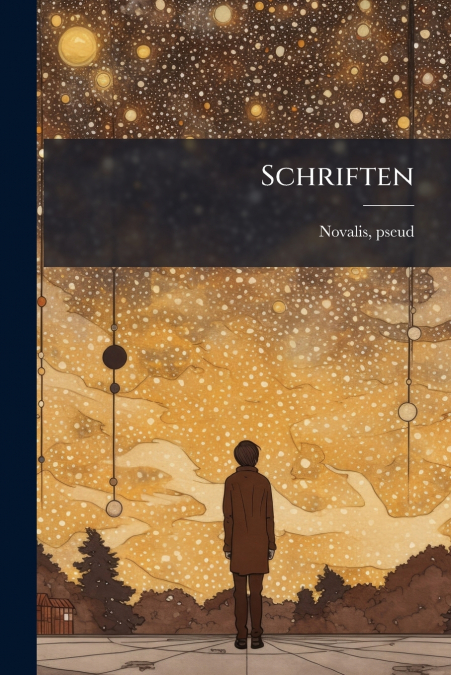
Schriften, 4 presents a selection of writings by Novalis, the pseudonym of Georg Philipp Friedrich Freiherr von Hardenberg, a key figure of early German Romanticism. This volume offers insights into Novalis’ philosophical and literary contributions, reflecting his unique blend of mysticism, idealism, and poetic sensibility. Novalis’ works are known for their exploration of themes such as nature, love, death, and the spiritual dimensions of human experience. These writings exemplify the Romantic era’s fascination with the irrational, the emotional, and the transcendent. Readers interested in German literature, philosophy, and the Romantic movement will find value in this collection. Novalis’ profound and often enigmatic style continues to captivate and challenge readers, solidifying his place as a significant voice in European intellectual history. This edition provides access to his original thoughts and creative expressions, inviting readers to delve into the world of early Romantic thought.This work has been selected by scholars as being culturally important, and is part of the knowledge base of civilization as we know it. This work was reproduced from the original artifact, and remains as true to the original work as possible. Therefore, you will see the original copyright references, library stamps (as most of these works have been housed in our most important libraries around the world), and other notations in the work.This work is in the public domain in the United States of America, and possibly other nations. Within the United States, you may freely copy and distribute this work, as no entity (individual or corporate) has a copyright on the body of the work.As a reproduction of a historical artifact, this work may contain missing or blurred pages, poor pictures, errant marks, etc. Scholars believe, and we concur, that this work is important enough to be preserved, reproduced, and made generally available to the public. We appreciate your support of the preservation process, and thank you for being an important part of keeping this knowledge alive and relevant.