Librería Samer Atenea
 Kálamo Books
 Librería Elías (Asturias)
 Librería Kolima (Madrid)
 Librería Proteo (Málaga)
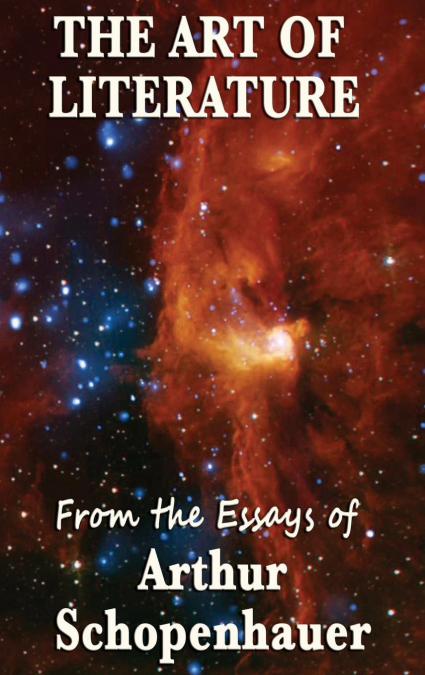
Schopenhauers Seelenwanderungslehre Und Ihre Quellen untersucht Arthur Schopenhauers Lehre der Seelenwanderung (Metempsychose) und die Quellen, die seine Philosophie beeinflusst haben. Carl Otto Flink analysiert die philosophischen und religiösen Einflüsse, die Schopenhauers Verständnis von der Wanderung der Seele geprägt haben. Das Buch beleuchtet Schopenhauers Auseinandersetzung mit östlichen Weisheitslehren, insbesondere dem Hinduismus, und zeigt, wie diese Ideen in sein philosophisches System integriert wurden. Flink geht detailliert auf die metaphysischen Grundlagen von Schopenhauers Lehre ein und erörtert, wie diese mit anderen Aspekten seiner Philosophie, wie dem Willen und der Verneinung des Willens zum Leben, zusammenhängen. Diese Studie bietet einen wertvollen Einblick in die Entwicklung von Schopenhauers Denken und die vielfältigen intellektuellen Strömungen, die seine Philosophie geformt haben. This work has been selected by scholars as being culturally important, and is part of the knowledge base of civilization as we know it. This work was reproduced from the original artifact, and remains as true to the original work as possible. Therefore, you will see the original copyright references, library stamps (as most of these works have been housed in our most important libraries around the world), and other notations in the work.This work is in the public domain in the United States of America, and possibly other nations. Within the United States, you may freely copy and distribute this work, as no entity (individual or corporate) has a copyright on the body of the work.As a reproduction of a historical artifact, this work may contain missing or blurred pages, poor pictures, errant marks, etc. Scholars believe, and we concur, that this work is important enough to be preserved, reproduced, and made generally available to the public. We appreciate your support of the preservation process, and thank you for being an important part of keeping this knowledge alive and relevant.