Inicio > Humanidades > Filosofía > Ética y filosofía moral > Schlüsselwerke der Kritischen Lebenskunst I
Schlüsselwerke der Kritischen Lebenskunst I

Schlüsselwerke der Kritischen Lebenskunst I


109,60 €
IVA incluido
Disponible
Editorial:
Springer Nature B.V.
Año de edición:
2026
Materia
Ética y filosofía moral
ISBN:
9783662723456
109,60 €
IVA incluido
Disponible

Selecciona una librería:

  • Librería Samer Atenea

  • Kálamo Books
  • Librería Elías (Asturias)
  • Librería Kolima (Madrid)
  • Librería Proteo (Málaga)

Der erste Band zu den Schlüsselwerken Kritischer Lebenskunst enthält 19 wichtige Werke der Philosophie seit dem Zweiten Weltkrieg und repräsentiert ein breites Feld philosophischer Herangehensweisen. So kommen dabei etwa Theodor W. Adornos Minima Moralia ebenso zur Sprache wie Wilhelm Schmids Philosophie der Lebenskunst und Corine Pelluchons Das Zeitalter des Lebendigen. In den einzelnen Texten wird die Bedeutung des jeweiligen Werkes und seine kritische Funktion für die Lebenskunst geklärt.Kritische Lebenskunst muss im hohen Maße vor dem Hintergrund einer historisch-kulturellen Ausgangslage verstanden werden, in der ökonomische, politische, soziale, ökologische und kulturelle Zusammenhänge eine wichtige und problematische Rolle spielen. Gerade die seit dem Zweiten Weltkrieg immer wieder auftauchenden Krisensituationen, die sich in der Politik, in ökonomischen Schieflagen, sozialen Ungleichheiten, ökologischen Katastrophen und kulturell beschleunigten Entwicklungen niederschlagen, fordern die Lebenskunst der Philosophie auf, kritische Analyseformen zu entwickeln, potentielle Orientierungshilfen vorzuschlagen und konkrete Handlungsmöglichkeiten zu entwickeln. Schlüsselwerke einer Kritischen Lebenskunst der Philosophie nehmen in der jeweiligen historisch-kulturellen Situation in den Blick, was es schwierig, wenn nicht unmöglich macht, ein gelungenes Leben zu führen. Und sie entwickeln aus individuellen, sozialen und kulturellen Problematiken, Krisen und Schwierigkeiten heraus Überlegungen für ein Leben, das als ,gelungen‘ und ,bejahenswert‘ bezeichnet werden kann.Siehe auch Band II zu wichtigen Werken der Humanwissenschaften (Von Simone de Beauvoir bis Irvin D. Yalom) in derselben Reihe.
Artículos relacionados

  • Ka Ab Ba Building The Lighted Temple
    Dr Terri R. Nelson / Dr Terri RNelson
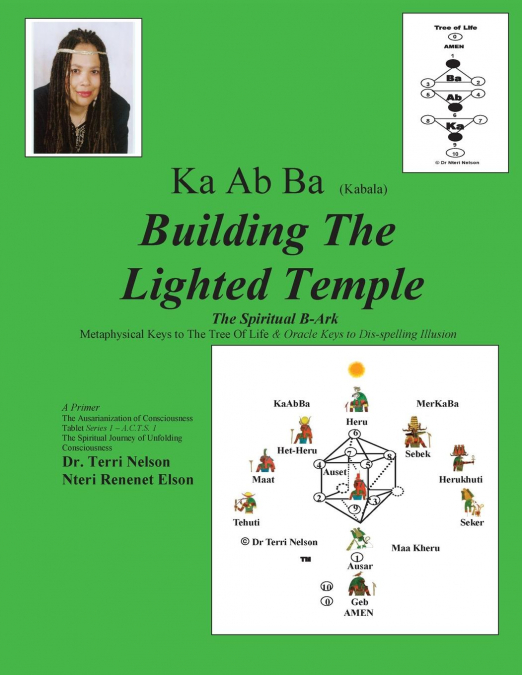
    The book KaAbBa Building The Lighted Temple/Metaphysical Keys to the Tree of Life draws a circle that is inclusive of the Afrikan origin of the Ancient Kemetic/Egyptian wisdom. It reveals the undeniable root and link of Ancient Africa to all the religious systems that would develop worldwide. This book is explosive in its power to convey the meaning of KaAbBa, the Medu Neter  (...
    Disponible

    37,41 €

  • Technoethics and the Evolving Knowledge Society
    Rocci Luppicini
    Recently, there has been a major push to rediscover the ethical dimension of technology across the sciences, social sciences, and humanities. Technoethics and the Evolving Knowledge Society: Ethical Issues in Technological Design, Research, Development, and Innovation examines human processes and practices connected to technology embedded within social, political, and moral sph...
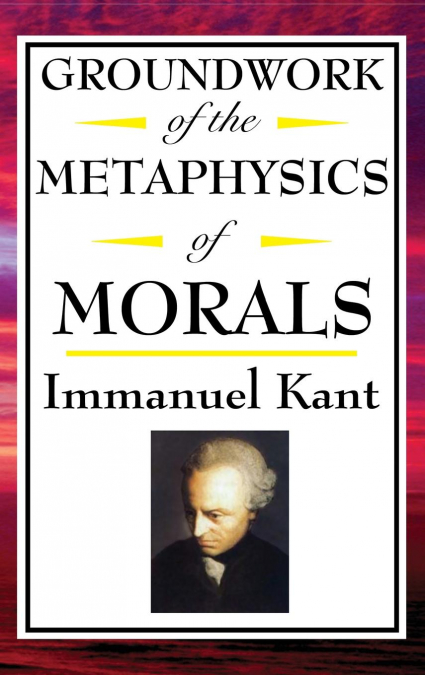
  • Kant
    Immanuel Kant
    Kant’s Groundwork of the Metaphysics of Morals is one of the most important works in modern moral philosophy. It belongs beside Plato, Aristotle, Machiavelli, and Hobbes. Here Kant sets out to articulate and defend the Categorical Imperative - the fundamental principle that underlies moral reasoning - and to lay the foundation for a comprehensive account of justice and human vi...
  • On the Duty of Civil Disobedience
    HENRY DAVID THOREAU
    Civil Disobedience argues that citizens should not permit their governments to overrule their consciences, and that they have a duty to avoid allowing their acquiescence to enable the government to make them the agents of injustice. Thoreau was motivated in part by his disgust with slavery and the Mexican-American War, but the sentiments he expresses here are just as pertinent ...
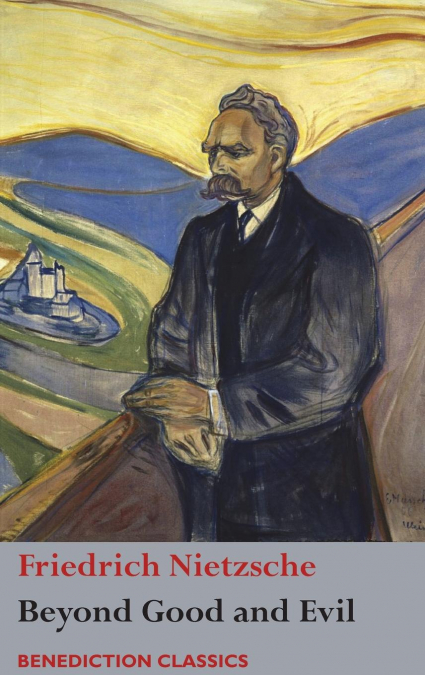
  • Beyond Good and Evil
    Friedrich Nietzsche
    Nietzsche, though primarily a philosopher, wrote widely on art, philology, history, religion, tragedy, culture, and science.  In 1886, at the height of his powers, he published Beyond Good and Evil.  Here he examines much of the best of human thought--dogmatic philosophy, Judeo-Christian morality, science and democracy – and finds it lacking.  Rejecting “slave-morality” he pres...
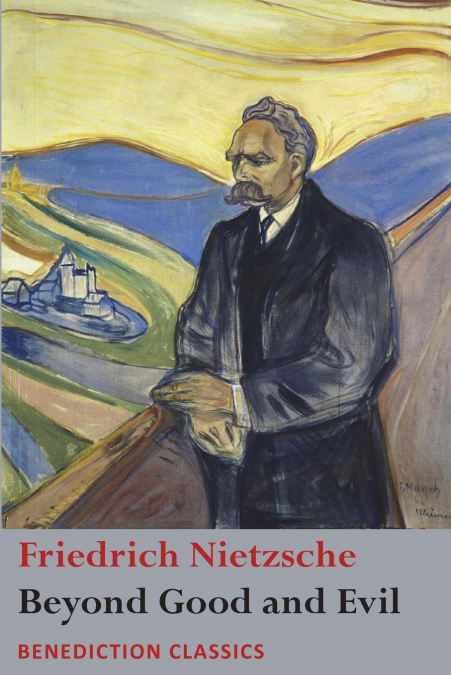
  • Beyond Good and Evil
    Friedrich Nietzsche
    Nietzsche, though primarily a philosopher, wrote widely on art, philology, history, religion, tragedy, culture, and science.  In 1886, at the height of his powers, he published Beyond Good and Evil.  Here he examines much of the best of human thought--dogmatic philosophy, Judeo-Christian morality, science and democracy – and finds it lacking.  Rejecting “slave-morality” he pres...
    Disponible

    9,99 €