Inicio > Lenguas > Lingüistica > Lingüística histórica y comparada > Scandinavian Object Shift and Optimality Theory
Scandinavian Object Shift and Optimality Theory

Scandinavian Object Shift and Optimality Theory

E. Engels / S. Vikner

48,41 €
IVA incluido
Disponible
Editorial:
Springer Nature B.V.
Año de edición:
2014
Materia
Lingüística histórica y comparada
ISBN:
9781349492305
48,41 €
IVA incluido
Disponible

Selecciona una librería:

  • Librería Samer Atenea
  • Librería Aciertas (Toledo)
  • Kálamo Books
  • Librería Perelló (Valencia)
  • Librería Elías (Asturias)
  • Donde los libros
  • Librería Kolima (Madrid)
  • Librería Proteo (Málaga)

This book presents an account of object shift, a word order phenomenon found in most of the Scandinavian languages where an object occurs unexpectedly to the left and not to the right of a sentential adverbial. With new and original observations, it is an important addition to the fields of phonology, optimality theory and theoretical syntax.
Artículos relacionados

  • The Language of Separation - Nationalism’s Impact on Linguistic Diversity
    PS Publishing
    'The Language of Separation' delves into the intricate relationship between nationalism and linguistic diversity. Exploring the impact of nationalist ideologies on language policies and practices, this book examines how notions of nationhood influence linguistic identity and representation. Through compelling analysis , it sheds light on the complexities of language politics an...
    Disponible

    14,22 €

  • Syntactic Change in Late Modern English
    Erik Smitterberg
    ...
    Disponible

    38,10 €

  • Third Factors in Language Variation and Change
    Elly Van Gelderen
    ...
    Disponible

    35,80 €

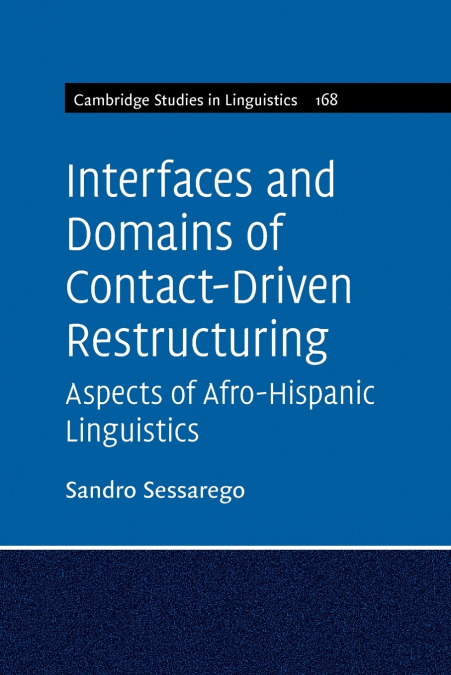
  • Interfaces and Domains of Contact-Driven Restructuring
    Sandro Sessarego
    ...
    Disponible

    36,03 €

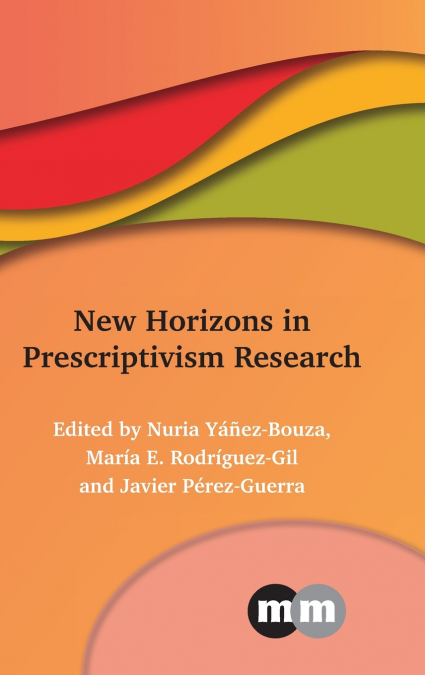
  • New Horizons in Prescriptivism Research
    This book investigates the connections between evaluative judgements on language and the larger social, cultural, and political issues that shed light on the practice of prescriptivism. The chapters cover three main areas: language, which represents the traditional roots of the study of linguistic norms in authoritative (historical) manuals and judgemental attitudes to language...
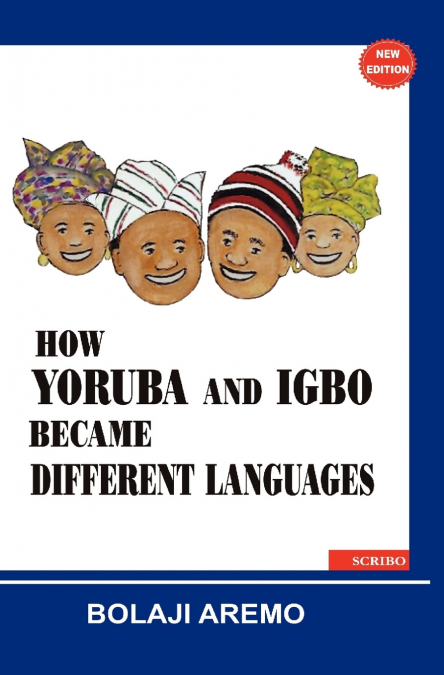
  • How Yoruba and Igbo Became Different Languages
    Bolaji Aremo
    The main objective of this study is to identify examples of genetically related Igbo and Yoruba words that might serve as further evidence in support of some linguists’ claim that the two languages developed from the same parent language. The author is a retired head of the Department of English at Obafemi Awolowo University, Nigeria. ...
    Disponible

    53,75 €