 Librería Samer Atenea
 Kálamo Books
 Librería Elías (Asturias)
 Librería Kolima (Madrid)
 Librería Proteo (Málaga)
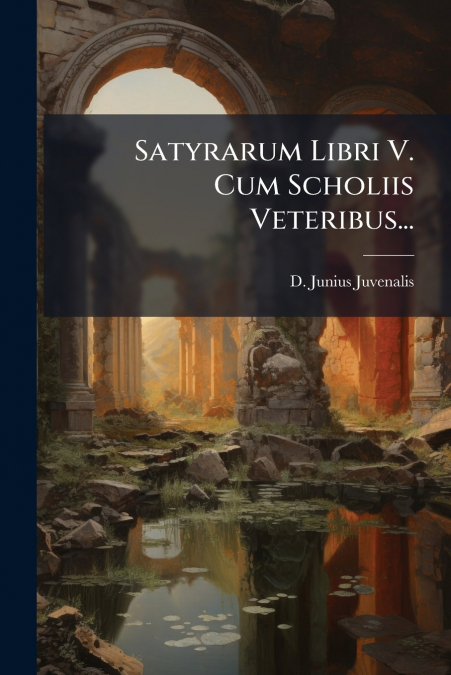
Satyrarum Libri V is a collection of satirical poems by the Roman poet D. Junius Juvenalis. These satires, a cornerstone of Latin literature, offer a critical and often humorous perspective on Roman society during the late 1st and early 2nd centuries AD. Juvenal’s sharp wit and vivid descriptions expose the corruption, hypocrisy, and decadence prevalent in imperial Rome. This edition, Cum Scholiis Veteribus..., includes valuable ancient commentaries, providing deeper insights into the text and its historical context. Readers gain a richer understanding of Juvenal’s work through these annotations, which illuminate the nuances of his language and the targets of his satire. The poems remain relevant today for their exploration of timeless human flaws and their masterful use of satire as a tool for social commentary. A vital work for students of classical literature and anyone interested in the history of satire.This work has been selected by scholars as being culturally important, and is part of the knowledge base of civilization as we know it. This work was reproduced from the original artifact, and remains as true to the original work as possible. Therefore, you will see the original copyright references, library stamps (as most of these works have been housed in our most important libraries around the world), and other notations in the work.This work is in the public domain in the United States of America, and possibly other nations. Within the United States, you may freely copy and distribute this work, as no entity (individual or corporate) has a copyright on the body of the work.As a reproduction of a historical artifact, this work may contain missing or blurred pages, poor pictures, errant marks, etc. Scholars believe, and we concur, that this work is important enough to be preserved, reproduced, and made generally available to the public. We appreciate your support of the preservation process, and thank you for being an important part of keeping this knowledge alive and relevant.