

 Librería Samer Atenea
 Kálamo Books
 Librería Elías (Asturias)
 Librería Kolima (Madrid)
 Librería Proteo (Málaga)
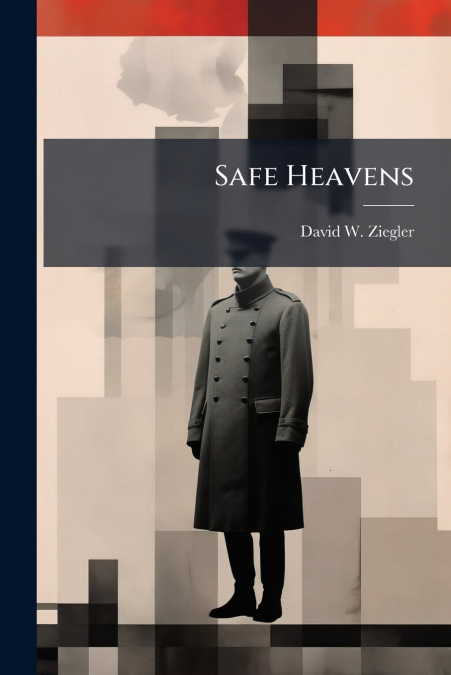
National leaders are debating the merits of American weapons in space. A decision to operationally deploy such weapons would reverse the United States’ longstanding commitment to space as a sanctuary. That sanctuary--the idea that space should remain relatively unthreatened by weapons--has been challenged in the past but for the most part still exists today. Further weaponizing space, though, could change that and introduces important issues.The political, military, social, economic, and diplomatic ramifications of American space weapons demand that strategists carefully consider all sides of this critical debate. Current defense literature, however, indicates analysts and leaders have been slow to develop the arguments supporting a space sanctuary. This omission could undermine the military community’s appreciation for all aspects of both problem and solution. In turn, the quality of the space strategy eventually pursued might suffer.This essay attempts to understand the argument against weapons in space. It asks the question: could pursuing a space sanctuary policy in the immediate future benefit the national interest? The essay answers the question by articulating the strongest possible argument for a space sanctuary strategy today. That argument asserts that America has historically benefited from sanctuary space policies since the 1950s. Recognizing that history is rarely perfectly prescriptive, however, the argument goes on to challenge the fundamental convictions of today’s space weapon proponents as well. Contemporary evidence is used to assert that the U.S. can reduce its potential vulnerabilities in space without weaponizing. Evidence is introduced to show that other nations pose no real threat to American security in space today. Finally, the sanctuary argument is extended to propose that deferring development of space weapons, for now, serves national interests in the diplomatic, military, economic, and domestic arenas.This work has been selected by scholars as being culturally important, and is part of the knowledge base of civilization as we know it. This work was reproduced from the original artifact, and remains as true to the original work as possible. Therefore, you will see the original copyright references, library stamps (as most of these works have been housed in our most important libraries around the world), and other notations in the work.This work is in the public domain in the United States of America, and possibly other nations. Within the United States, you may freely copy and distribute this work, as no entity (individual or corporate) has a copyright on the body of the work.As a reproduction of a historical artifact, this work may contain missing or blurred pages, poor pictures, errant marks, etc. Scholars believe, and we concur, that this work is important enough to be preserved, reproduced, and made generally available to the public. We appreciate your support of the preservation process, and thank you for being an important part of keeping this knowledge alive and relevant.





