Inicio > Humanidades > Historia > Historia regional y nacional > Historia de otras regiones > Russian-Soviet Unconventional Wars in the Caucasus, Central Asia, and Afghanistan
Russian-Soviet Unconventional Wars in the Caucasus, Central Asia, and Afghanistan

Russian-Soviet Unconventional Wars in the Caucasus, Central Asia, and Afghanistan

Russian-Soviet Unconventional Wars in the Caucasus, Central Asia, and Afghanistan

Robert F. Baumann

36,13 €
IVA incluido
Disponible
Editorial:
www.MilitaryBookshop.co.uk
Año de edición:
2010
Materia
Historia de otras regiones
ISBN:
9781907521737
36,13 €
IVA incluido
Disponible

Selecciona una librería:

  • Librería Samer Atenea
  • Librería Aciertas (Toledo)
  • Kálamo Books
  • Librería Perelló (Valencia)
  • Librería Elías (Asturias)
  • Donde los libros
  • Librería Kolima (Madrid)
  • Librería Proteo (Málaga)

First published in 1983 this detailed study has only now been made generally available. The Russians have a long history of fighting what are now called unconventional wars. Certainly since the 18th Century, and more recently in Afghanistan and Chechnia. The early wars were fought in the Caucasus. Fighting in that region started in earnest in the early 19th Century and continued to the late 1840s. Unrest continued in the region thereafter with major uprisings in the 1870s and also following the 1917 Revolution. It continues today in the Chechnia region. As the Russian Empire expanded Russian forces dominated the Kazahk region and undertook a series of campaigns in the area between the Caspian and Aral Sea. This culminated in the assault on Khiva in 1873 and the operations in 1880-1 on the Persian border, by then the Empire was on the borders of Persia and Afghanistan. After the Revolution the Red Army conducted a long campaign in the area north of the border with Afghanistan against the Basmachis Central Asian resistance. The Soviet operations started in 1918 and the last rumblings of resistance was finally quelled in 1933, though no serious fighting took place after 1924. The Soviets had considerable experience in the conduct of and fighting against, insurgency warfare. Prior to World War II it was either suppressing or encouraging such wars on its Asian frontiers. In World War II it organised activities behind the German line in Russia as well as supporting resistance and partisan movements in eastern and central Europe. After World War II it had to deal with resistance in the Ukraine and other areas of the Soviet Union that had been liberated from German occupation. Since World War II it encouraged, supplied and trained numerous participants in insurgent wars from the large scale such as Vietnam to the insignificant. In 1979, after the Soviet military intervention in Kabul, the Red Army allowed itself to become involved in an unwinnable war. This despite the Soviet experience in such fighting that extended back to the Revolution. Furthermore their conduct of operations demonstrated their failure to comprehend how such a war should be fought.
Artículos relacionados

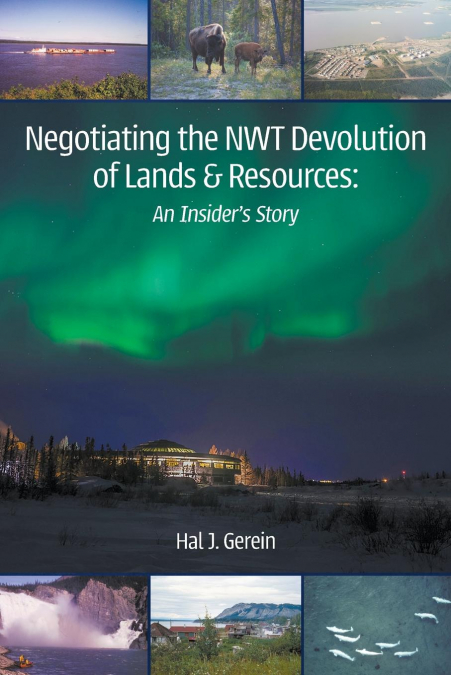
  • Negotiating the NWT Devolution of Lands & Resources
    Hal J. Gerein / Hal JGerein
    In this story, the author is the GNWT's Chief Negotiator for the devolution of lands and resources from Canada. Devolution means the transfer of authority from a senior level of government to a junior level. Many national governments today areinvolved with devolution as a means to "subsidiarity", the principle that politicalpower should be exercised by the least central or ...
    Disponible

    44,75 €

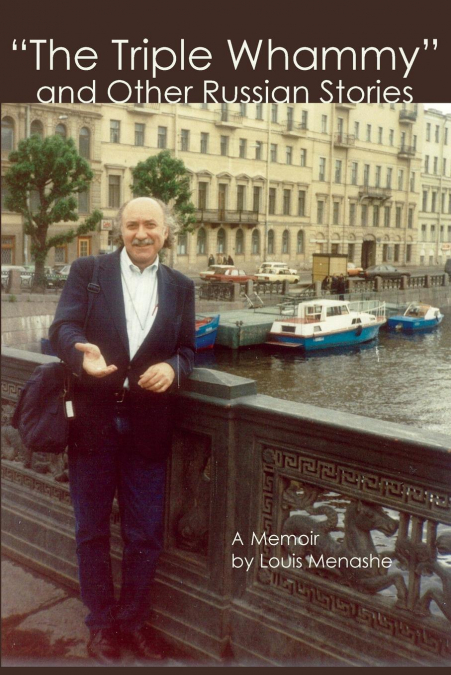
  • 'THE TRIPLE WHAMMY' AND OTHER RUSSIAN STORIES
    Louis Menashe
    A captivating lifetime of personal and professional experiences by an American historian, film specialist and documentary filmmaker in the Soviet Union and post-Soviet Russia. The author’s experiences as a radical in the turbulent 1960s, and his eventual disenchantment offer some precedents and perspectives to all those on the Left, Center or Right interested in the fluctuation...
    Disponible

    26,31 €

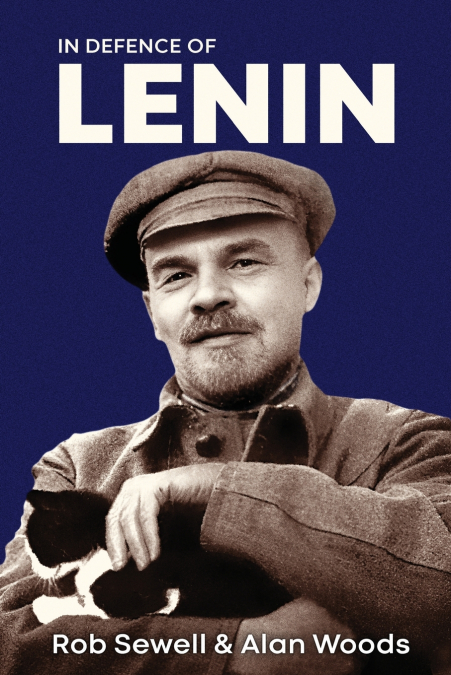
  • In Defence of Lenin
    Alan Woods / Rob Sewell
    John Reed, the author of Ten Days that Shook the World, once said that Lenin was the most loved and the most hated person alive. He was loved by tens of millions who wanted to change society, but hated by the ruling class and their apologists.As the creator of the Bolshevik Party and leader of the Russian Revolution, Lenin was a man who changed the world and translated the idea...
    Disponible

    23,85 €

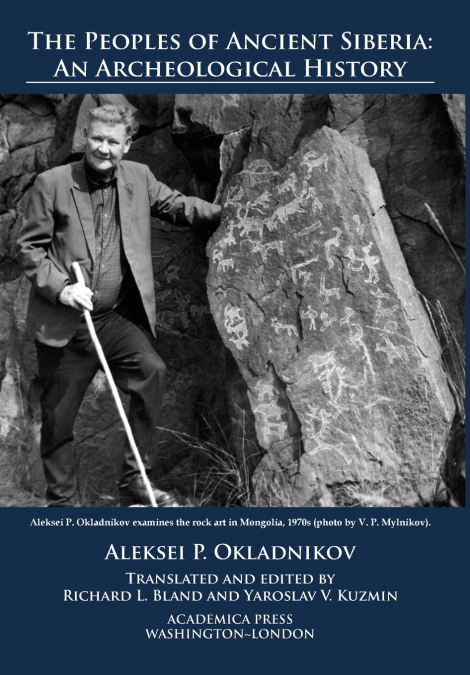
  • The peoples of Ancient Siberia
    Aleksei P Okladnikov / Richard L Bland
    Foreword: Elena A. Okladnikova, Herzen University, St. Petersburg (Russia), Deputy Director for Museum Work at the Peter the Great Museum of Anthropology and Ethnography (Kunstkamera)Translators: Richard L. Bland, Archeologist (retired), U.S. National Park Service, Heritage Research Associates, University of Oregon Museum of Natural and Cultural History; Yaroslav V. Kuzmin, Ins...
    Disponible

    199,51 €

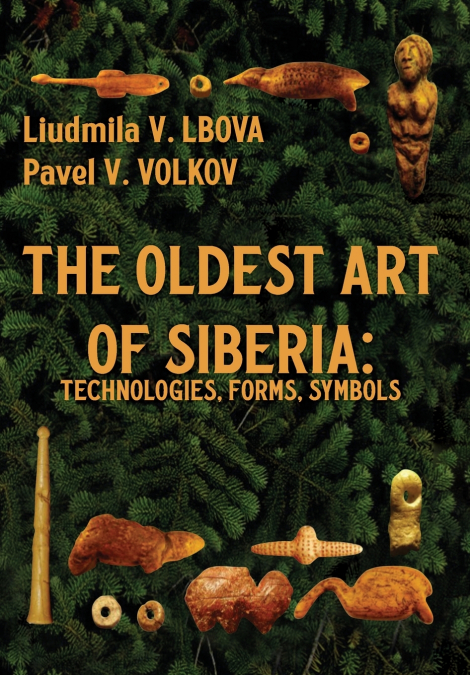
  • The Oldest Art of Siberia
    Liudmila V Lbova / Pavel V Volkov / Richard L Bland
    Primitive art is inseparable from primitive consciousness and can be correctly understood only with the correct socio-cultural context. This book examines the ancient art of Siberia as part of the integral whole of ancient society. ...
    Disponible

    200,01 €

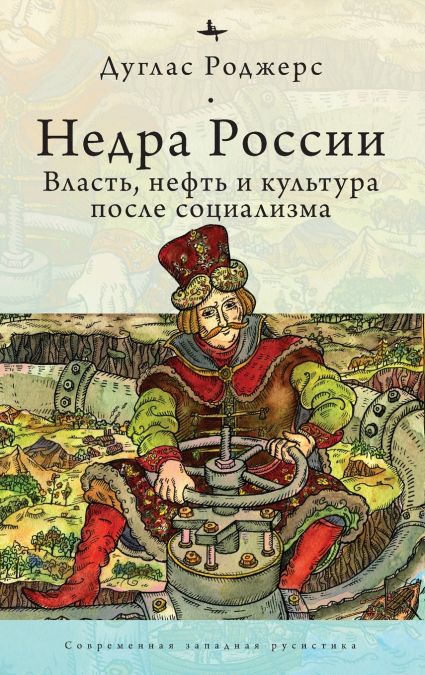
  • The Depths of Russia
    Douglas Rogers / Polina Shubina
    In The Depths of Russia, Yale anthropologist and historian Douglas Rogers tells the history of Russian oil from the perspective of the Perm region of the Urals. From the discovery of world’s first socialist oil in 1929 to the oil-fueled social and cultural politics of the 2000s, he shows how Permian oil illuminates the place of oil in the modern world in new ways. Rogers pays p...
    Disponible

    42,09 €