Inicio > Humanidades > Historia > Historia: primitiva hasta la actualidad > Historia antigua: hasta c. 500 e. c. > Royal Image and Political Thinking in the Letters of Assurbanipal
Royal Image and Political Thinking in the Letters of Assurbanipal

Royal Image and Political Thinking in the Letters of Assurbanipal

Sanae Ito

124,29 €
IVA incluido
Disponible
Editorial:
Penn State University Press
Año de edición:
2024
Materia
Historia antigua: hasta c. 500 e. c.
ISBN:
9789515185853
124,29 €
IVA incluido
Disponible

Selecciona una librería:

  • Librería Samer Atenea

  • Kálamo Books
  • Librería Elías (Asturias)
  • Librería Kolima (Madrid)
  • Librería Proteo (Málaga)

Assurbanipal, the last great king of the Assyrian Empire, ruled from 668 BC until at least 630 BC. Although he spent four years suppressing a revolt by Samas-sumu-ukīn, his older brother and the king of Babylon (667-648 BC), Assurbanipal’s reign was much longer than the reigns of his predecessors, and he controlled almost the entirety of the ancient Near East.The correspondence of Assurbanipal constitutes an essential resource for knowledge of his reign. It consists of 345 letters: 100 letters from Assurbanipal (the so-called royal letters) and 245 letters addressed to him. Assurbanipal’s royal letters deal with political, military, and diplomatic matters from the king’s point of view and in his own words. The aim of this volume is to determine the image that Assurbanipal attempted to convey in his letters and to investigate the ways in which he utilized this image to advance Assyrian policies. Most of his royal letters were written during the revolt and its aftermath and were sent to Babylonia, Elam, and the Sealand, regions that were deeply involved in the revolt. Since the most common recipients of the missives were citizens, Assurbanipal clearly considered it important to address the population at large when the revolt shook the foundations of the empire. He engaged in dialogue with adversaries and adherents alike, emphasized the favors he had performed for them, and described himself as a benevolent and merciful king capable of establishing justice, peace, and equality in the realm. He involved Nippur and Uruk in Assyrian military activities against rebels and settled a sibling rivalry between the governor of Ur and his predecessor. Assurbanipal continued a conciliatory policy toward Babylon even during the revolt in an effort to resolve the conflict peacefully. He tried to bring foreign countries under Assyrian control by treaties and sometimes exerted direct pressure using veiled threats. Some countries came under Assyrian rule on their own initiative to acquire military and political advantages from Assyria. Throughout the royal letters, Assurbanipal stressed his devotion to the gods and their support for his rule.
Artículos relacionados

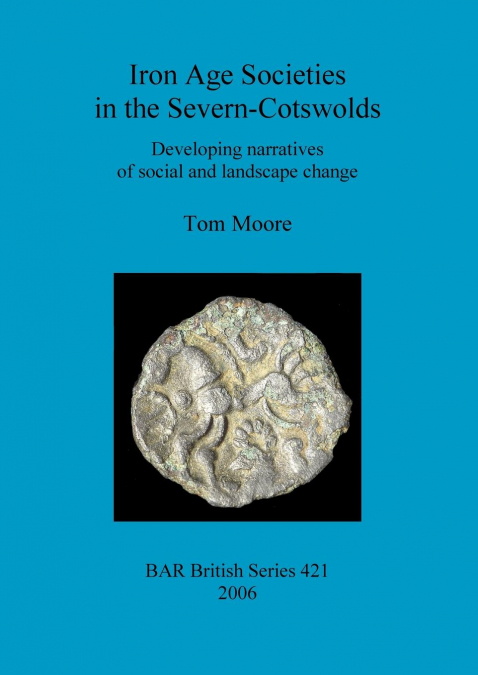
  • Iron Age Societies in the Severn-Cotswolds
    Tom Moore
    The central theme of this study is an examination of the processes of change in Iron Age social organisation and identity on a regional scale using the Severn-Cotswolds area in England as a case study. It aims to provide a coherent narrative of the period in the region based on the wealth of current data now available, providing a basic storyboard against which future studies c...
    Disponible

    161,27 €

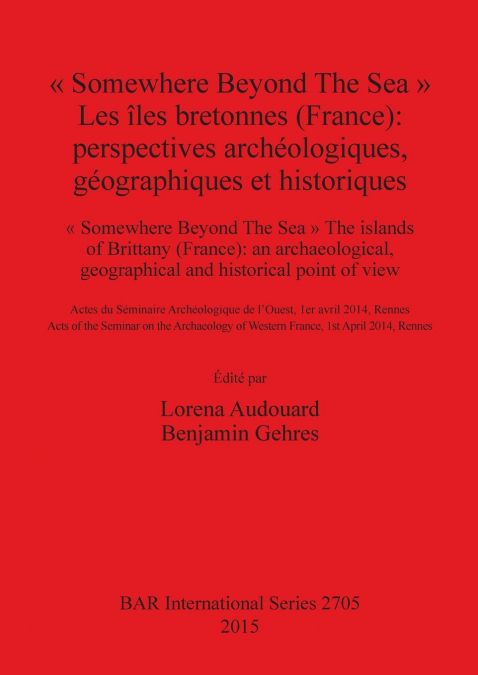
  • Somewhere Beyond The Sea Les îles bretonnes (France)
    The Seminar on the Archaeology of Western France, which focused on the islands of Brittany, was held on 1 April 2014 at the University of Rennes 1. The desire to organize this seminar arose spontaneously from the dynamism which currently animates archaeological research on island spaces of the western seaboard of France. Indeed, the seminar took place during a pivotal period of...
    Disponible

    96,55 €

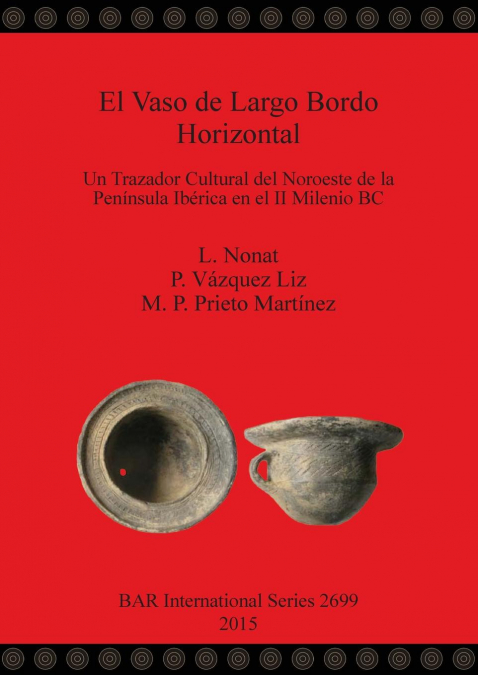
  • El Vaso de Largo Bordo Horizontal
    L. Nonat / LNonat / M. P. Prieto Martínez / MPPrieto Martínez / P. Vázquez Liz / PVázquez Liz
    In this paper the authors study a specific type of pottery from the northwest Iberian Peninsula, known as the Wide Horizontal Rim (WHR) vessel. One of its distinctive aspects is precisely the fact that it is exclusively found in this region, which now comprises the Spanish region of Galicia and northern Portugal, as far south as the River Duero. This type of pottery, of which t...
    Disponible

    129,62 €

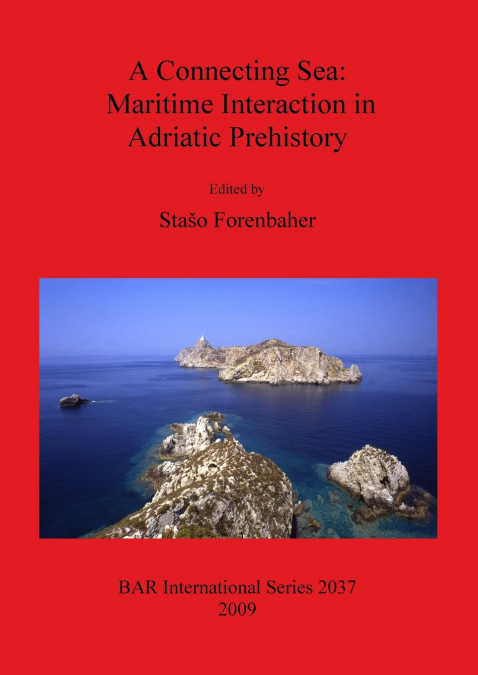
  • A Connecting Sea
    Stašo Forenbaher
    This book includes papers stemming from a session at the EAA conference held in Zadar in September 2007.                          ...
    Disponible

    89,13 €

  • The Roman Pottery Production Site at Wickham Barn, Chiltington, East Sussex
    Chris Butler / Malcolm Lyne
    The excavations undertaken at Chiltington in East Sussex revealed two Roman pottery kilns, as well as remains from prehistory and from medieval period.The kilns are well documented, and all the finds were examined and catalogued. Three phases were identified. The pottery produced on the site indicate a strong New Forest influence. ...
    Disponible

    61,99 €

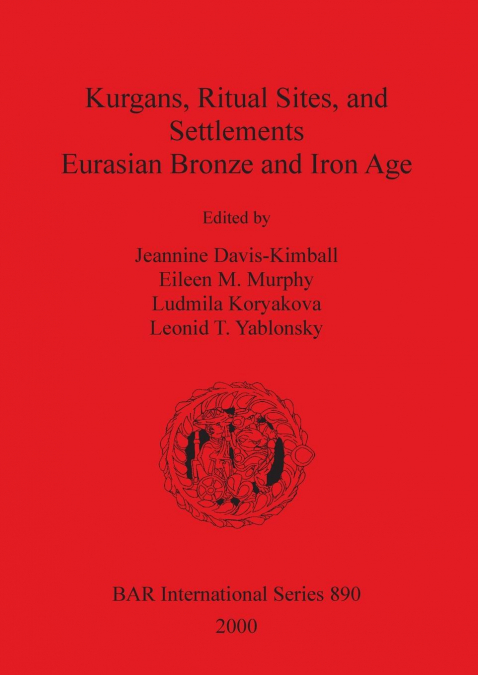
  • Kurgans, Ritual Sites, and Settlements
    Edited by: Jeannine Davis-Kimball, Eileen M. Murphy, Ludmila Koryakova and Leonid T. YablonskyThis richly illustrated volume adds immensely to the small but growing corpus of Eurasian Archaeology published in the English language. Comprised of thirty articles, the authors have focused on the Bronze Age, continuing to include the first millennium BC Early Iron Age, with a termin...
    Disponible

    176,50 €