

 Librería Samer Atenea
 Kálamo Books
 Librería Elías (Asturias)
 Librería Kolima (Madrid)
 Librería Proteo (Málaga)
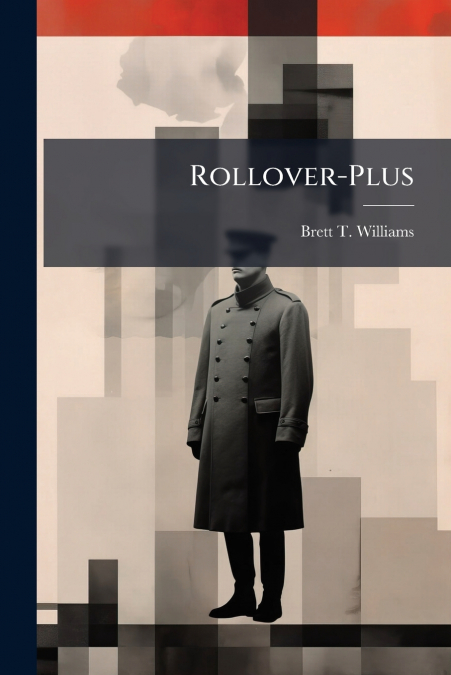
The shrinking defense budget and the ill-defined threats of the post-cold war world, have given rise to alternative acquisition strategies. These strategies seek to maintain America’s technological and qualitative fighter aircraft superiority, while simultaneously saving the cost of large-scale procurement. This paper compares two of these strategies. On the one hand, Rollover-plus purports to maintain US superiority by building technology-advancing prototypes. The technology would then roll over into a production fighter at some later date, as dictated by the threat or the current aircraft’s obsolescence. On the other hand, Silver Bullet proposes building a small number of operational aircraft and integrating them into the existing fighter force structure. By examining the contributions operational F-15 flying made to developing the Advanced Tactical Fighter, this paper demonstrates that Silver Bullet should be the Air Force’s future acquisition strategy.This work has been selected by scholars as being culturally important, and is part of the knowledge base of civilization as we know it. This work was reproduced from the original artifact, and remains as true to the original work as possible. Therefore, you will see the original copyright references, library stamps (as most of these works have been housed in our most important libraries around the world), and other notations in the work.This work is in the public domain in the United States of America, and possibly other nations. Within the United States, you may freely copy and distribute this work, as no entity (individual or corporate) has a copyright on the body of the work.As a reproduction of a historical artifact, this work may contain missing or blurred pages, poor pictures, errant marks, etc. Scholars believe, and we concur, that this work is important enough to be preserved, reproduced, and made generally available to the public. We appreciate your support of the preservation process, and thank you for being an important part of keeping this knowledge alive and relevant.





