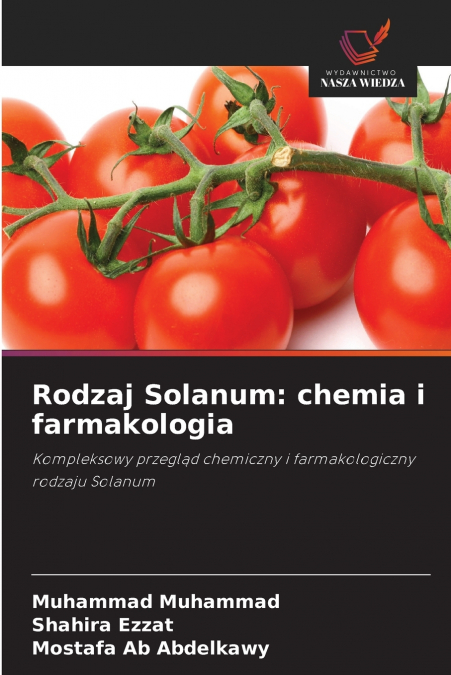
Rodzaj Solanum

Rodzaj Solanum

Mostafa Ab Abdelkawy / Muhammad Muhammad / Shahira Ezzat

73,32 €
IVA incluido
Disponible
Editorial:
KS OmniScriptum Publishing
Año de edición:
2026
Materia
Química
ISBN:
9786630051339
73,32 €
IVA incluido
Disponible

Selecciona una librería:

  • Librería Samer Atenea
  • Kálamo Books
  • Librería Elías (Asturias)
  • Librería Kolima (Madrid)
  • Librería Proteo (Málaga)

Rośliny z rodziny psiankowatych obejmują ponad 90 rodzajów i 2000 gatunków, występujących głównie w regionach tropikalnych i umiarkowanych. Rodzaj Solanum, liczący około 1500 gatunków, jest największym rodzajem w rodzinie psiankowatych i obejmuje gatunki o znaczeniu gospodarczym, szeroko rozpowszechnione w regionach tropikalnych i umiarkowanych. Rodzina ta znana jest również potocznie jako rodzina psiankowatych lub ziemniaczana. Alternatywnie sugeruje się, że nazwa pochodzi od łacińskiego czasownika solari, oznaczającego „łagodzić', lub łacińskiego słowa „solamen', oznaczającego uspokajanie, co nawiązuje do jej działania uspokajającego. Jednak niektóre gatunki z rodzaju Solanum mają właściwości toksyczne, przypisywane niektórym składnikom roślinnym, głównie alkaloidom steroidowym. Stanowią one ważne źródło pożywienia, przypraw i leków. Wśród nich bakłażan i ziemniak są ważnymi produktami spożywczymi, a S. dulcamara była stosowana jako lek przeciwnowotworowy już w czasach starożytnej Grecji i została opisana w książkach zielarskich wielu krajów. Ponadto badania nad roślinami psiankowatymi zostały rozwinięte w celu udowodnienia skuteczności ich stosowania jako produktów spożywczych i leków ludowych.

Artículos relacionados

  • Suzuki-Miyaura Cross-Coupling Reaction and Potential Applications
    Suzuki–Miyaura cross-coupling remains a powerful tool in organic synthesis for C–C bond formation and has various industrial applications, for example, the synthesis of pharmaceuticals and materials. Intensive research efforts are being made into finding ways of improving and expanding the scope of this process, and the development of more efficient catalytic systems for this e...
    Disponible

    67,89 €

  • Catalysis for Low Temperature Fuel Cells
    Today, the development of active and stable catalysts still represents a challenge to overcome in the research field of low temperature fuel cells. Operation at low temperatures demands the utilization of highly active catalysts to reduce the activation energy of the electrochemical reactions involved at the electrodes, and thus obtain practical performances and high efficienci...
    Disponible

    59,74 €

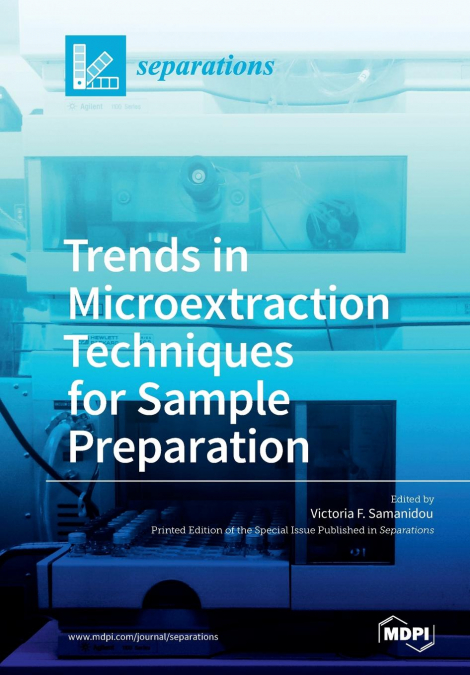
  • Trends in Microextraction Techniques for Sample Preparation
    Micro-extraction techniques in sample preparation are gaining interest among analytical chemists as they comply with green analytical chemistry demands and ensure environmental protection and public safety. Savings in cost and time are considered as valuable benefits by using novel micro-extraction approaches in sample handling. Selectivity, sensitivity and lower detection limi...
    Disponible

    59,87 €

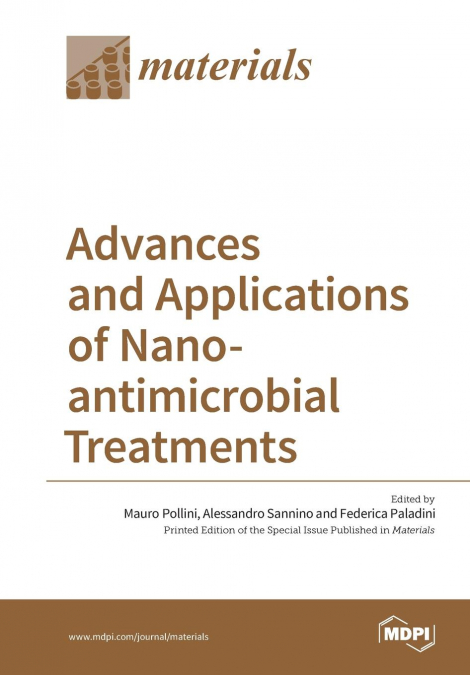
  • Advances and Applications of Nano-antimicrobial Treatments
    Nowadays, great concerns are associated with the resistance demonstrated by many microorganisms towards the conventional antibiotic therapies. The failure of traditional antimicrobials, and the increasing healthcare costs, have encouraged scientific research and the development of novel antimicrobial agents. Particularly, there is a great deal of interest in nanotechnologies an...
    Disponible

    51,68 €

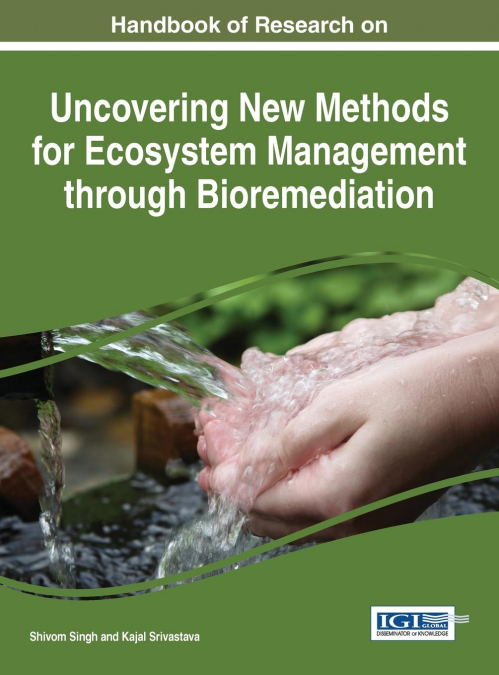
  • Handbook of Research on Uncovering New Methods for Ecosystem Management through Bioremediation
    Kajal Srivastava / Shivom Singh
    Maintaining and preserving the environment is a crucial consideration in an era where climate change and rising sea levels are common knowledge. It is important for researchers and developers alike to explore potential solutions for a steadily warming world. The Handbook of Research on Uncovering New Methods for Ecosystem Management through Bioremediation focuses on the agricul...
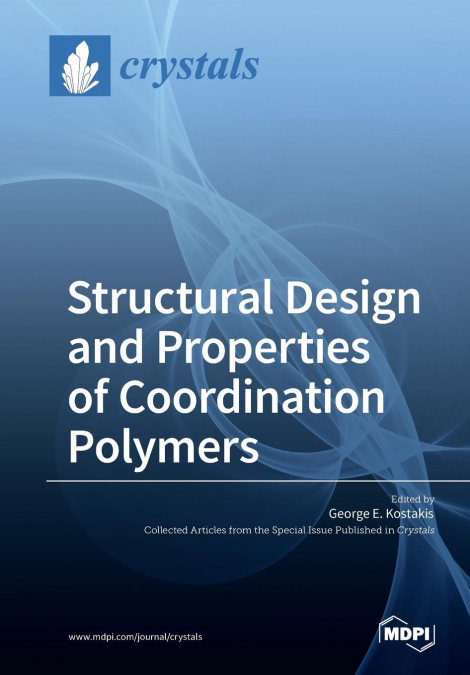
  • Structural Design and Properties of Coordination Polymers
    The assembly of organic ligands and metal centres yields coordination polymers, many of which find applications in conductivity, catalysis, magnetism, gas sorption, biological sensing and luminescence. The structure and topology of coordination polymers may be manipulated by changing the reaction conditions, leading to a large variety of structurally and topologically unique pr...
    Disponible

    43,77 €