 Librería Samer Atenea
 Kálamo Books
 Librería Elías (Asturias)
 Librería Kolima (Madrid)
 Librería Proteo (Málaga)
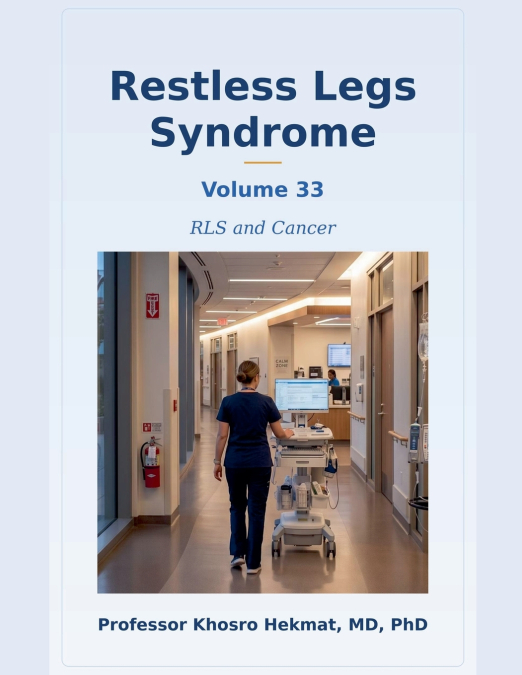
Restless legs during cancer treatment - often missed, often treatable. About one in five people on chemotherapy screens positive for restless legs. It is rarely asked about, because during cancer treatment an explanation is usually already at hand for every restless night. Iron values are measured regularly, but in cancer they are hard to read. This volume shows by what routes the illness and its treatment make the legs restless: iron deficiency, chemotherapy, anti-sickness drugs, anti-hormonal treatment, steroids and nerve damage. And it explains why ferritin is hard to read in cancer and which value belongs beside it. On two questions that trouble many people it sets out what the studies show and what they do not: does restless legs cause cancer, and do the RLS medicines? The final part reaches through to palliative care, including the warnings about medicine combinations that matter there. WHAT IS IN THE BOOK- How common RLS is in cancer, and why those figures must be read with care- Iron deficiency as the main route, and why ferritin is hard to read in cancer- Chemotherapy, anti-sickness drugs and the rest of the supportive medication- Anti-hormonal treatment and the blood disorders- Nerve damage caused by chemotherapy- Fatigue, insomnia, pain and the confusions with akathisia- Opioids: treatment, withdrawal and confusion- Treatment from chemotherapy through to palliative care WHO THIS BOOK IS FORFor people during or after cancer treatment whose nights are restless, for relatives who live through that restlessness, and for medical and nursing staff in oncology and palliative care. ABOUT THE SERIESVolume 33 of 52 in the book series on restless legs syndrome, part 'RLS with Other Conditions'. Every volume can be read on its own. The statements in this volume rest on 171 professional sources, each one listed individually in the reference section.