
Responding to Oil Spills in the U.S. Arctic Marine Environment

Responding to Oil Spills in the U.S. Arctic Marine Environment

AA.VV

52,00 €
IVA incluido
Disponible
Editorial:
National Academies Press
Año de edición:
2014
Materia
Ciencias de la tierra/geociencias
ISBN:
9780309298865
52,00 €
IVA incluido
Disponible

Selecciona una librería:

  • Librería Samer Atenea
  • Librería Aciertas (Toledo)
  • Kálamo Books
  • Librería Perelló (Valencia)
  • Librería Elías (Asturias)
  • Donde los libros
  • Librería Kolima (Madrid)
  • Librería Proteo (Málaga)

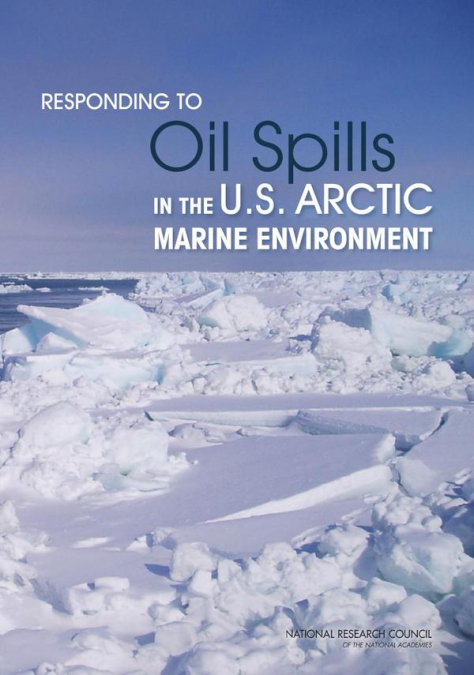
U.S. Arctic waters north of the Bering Strait and west of the Canadian border encompass a vast area that is usually ice covered for much of the year, but is increasingly experiencing longer periods and larger areas of open water due to climate change. Sparsely inhabited with a wide variety of ecosystems found nowhere else, this region is vulnerable to damage from human activities. As oil and gas, shipping, and tourism activities increase, the possibilities of an oil spill also increase. How can we best prepare to respond to such an event in this challenging environment? Responding to Oil Spills in the U.S. Arctic Marine Environment reviews the current state of the science regarding oil spill response and environmental assessment in the Arctic region north of the Bering Strait, with emphasis on the potential impacts in U.S. waters. This report describes the unique ecosystems and environment of the Arctic and makes recommendations to provide an effective response effort in these challenging conditions. According to Responding to Oil Spills in the U.S. Arctic Marine Environment, a full range of proven oil spill response technologies is needed in order to minimize the impacts on people and sensitive ecosystems. This report identifies key oil spill research priorities, critical data and monitoring needs, mitigation strategies, and important operational and logistical issues. The Arctic acts as an integrating, regulating, and mediating component of the physical, atmospheric and cryospheric systems that govern life on Earth. Not only does the Arctic serve as regulator of many of the Earth’s large-scale systems and processes, but it is also an area where choices made have substantial impact on life and choices everywhere on planet Earth. This report’s recommendations will assist environmentalists, industry, state and local policymakers, and anyone interested in the future of this special region to preserve and protect it from damaging oil spills.

Artículos relacionados

  • Polarimetric SAR Techniques and Applications
    Carlos López-Martínez / Juan Manuel Lopez-Sanchez
    An increasing number of spaceborne Synthetic Aperture Radar (SAR) systems have been equipped with polarimetric capabilities: ALOS and ALOS-2, Radarsat-2, TerraSAR-X, Envisat-ASAR, Sentinel-1a/b, etc. Future mission will still present this type of diversity: RCM, SAOCOM, Cosmo-Skymed 2nd generation or PAZ. Polarimetry allows sensitivity to the structural and geometric properties...
    Disponible

    59,61 €

  • Innovative Strategies and Frameworks in Climate Change Adaptation
    Alexander G. Flor / Alexander GFlor / Benjamina Gonzalez Flor
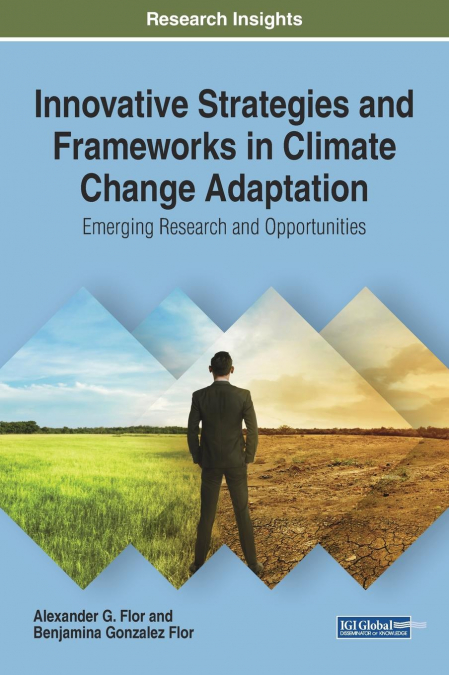
    The changes the earth is currently undertaking has been at the forefront of scientific discourse in recent years. Humans as a species have needed to react to these changes and shift their behavior accordingly. Innovative Strategies and Frameworks in Climate Change Adaptation: Emerging Research and Opportunities is a critical scholarly resource that examines the relationship bet...
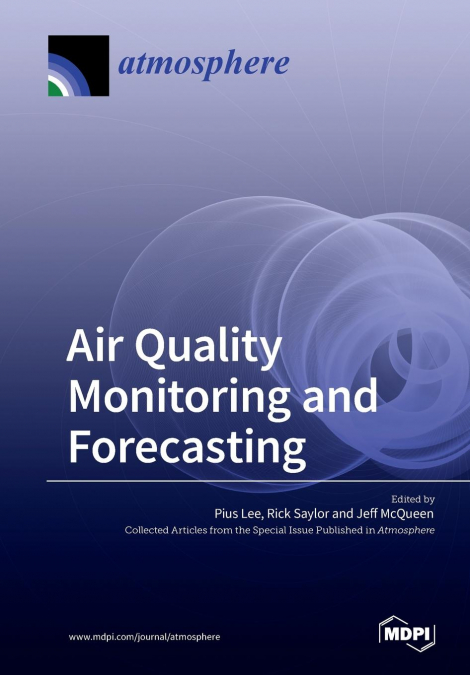
  • Air Quality Monitoring and Forecasting
    Air quality is personal. Its management is highly so. Asthmatic or air-pollutant-sensitive individuals depend on accurate air quality forecasts to help manage their daily activities.  However, the adverse effects of poor air quality on public health and visibility extend far beyond the daily time horizon. Pneumonic and cardiac vascular responses of individuals in all age groups...
    Disponible

    59,74 €

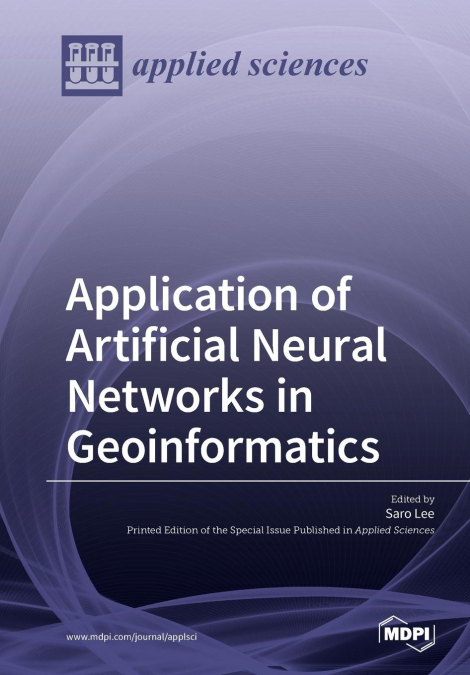
  • Application of Artificial Neural Networks in Geoinformatics
    Saro Lee
    Recently, a need has arisen for prediction techniques that can address a variety of problems by combining methods from the rapidly developing field of machine learning with geoinformation technologies such as GIS, remote sensing, and GPS. As a result, over the last few decades, one particular machine learning technology, known as artificial neural networks, has been successfull...
    Disponible

    59,81 €

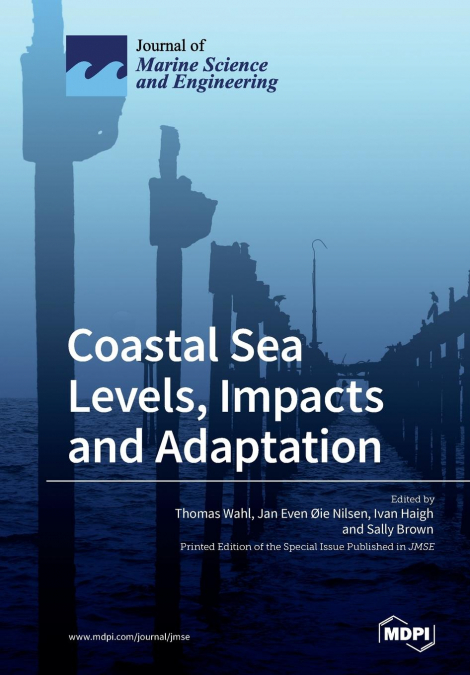
  • Coastal Sea Levels, Impacts and Adaptation
    Extreme sea levels can lead to hazardous events, such as coastal flooding, erosion, or salt water intrusion, with-wide ranging environmental, societal, and economic consequences. In combination with climate-driven sea-level rise, and, potentially, additional changes in storminess, dynamic wave contributions, and tidal dynamics, the adverse consequences of extreme oceanographic ...
    Disponible

    75,97 €

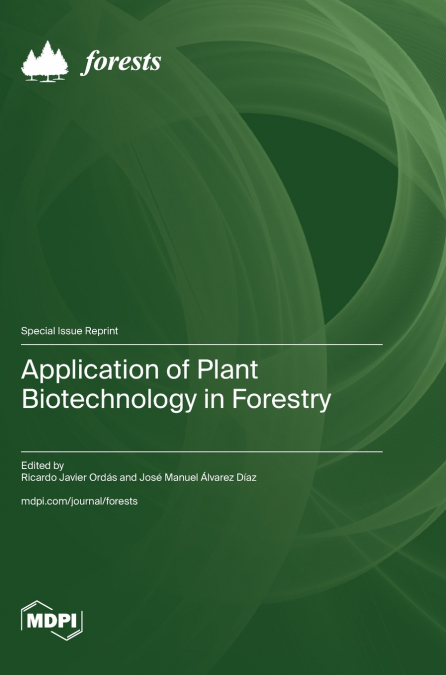
  • Application of Plant Biotechnology in Forestry
    The aim of this reprint is to immerse the reader in the latest biotechnological approaches employed in forestry. From rejuvenation through clonal propagation to somatic embryogenesis, the cryopreservation of germplasm, and the use of molecular techniques and genetic engineering, we aim to unravel the potential and promise of these cutting-edge technologies. In this reprint, lea...