Remember to Tell the Children

Remember to Tell the Children

Remember to Tell the Children

Henry A. Fischer / Henry AFischer

40,52 €
IVA incluido
Consulta disponibilidad
Editorial:
AuthorHouse
Año de edición:
2007
Materia
Ficción moderna y contemporánea
ISBN:
9781434337566

Selecciona una librería:

  • Librería Samer Atenea
  • Librería Aciertas (Toledo)
  • Kálamo Books
  • Librería Perelló (Valencia)
  • Librería Elías (Asturias)
  • Donde los libros
  • Librería Kolima (Madrid)
  • Librería Proteo (Málaga)

As the 19th Century dawned, the pioneering days of the Children of the Danube were now mostly behind them. The new generation no longer thought of Hesse, Baden and Württemberg when they heard their elders talk about home. Home was what they experienced in their own insular village enclaves scattered throughout Swabian Turkey in southwest Hungary. It was the quest for a new Heimat that had spurred their ancestors to come down the majestic Danube River almost a century before. Yet, three generations later, their descendants still remained Strangers and Sojourners in the land. It was their language, faith and traditions that provided cohesion to their life together but at the same time separated them from those around them. They remained outsiders and were seen as foreigners who were resistant to every attempt at assimilation. Having established their identity in their heritage they were forced to adapt to changing situations constantly challenging them. This often meant venturing beyond their own communities and living alongside those who spoke another language, subscribed to a different creed, observed customs and traditions unlike theirs and lived an accompanying different lifestyle. In response to these outside pressures, what emerged among them was a distinct society, which was perceived as a desire to remain Strangers and Sojourners. But history was not on their side as the Napoleonic Wars raged across Europe and left their mark on the political and social landscape. The following archconservative reaction set the scene for the upheaval known as the Revolution of 1848 that swept across Europe giving birth to the Hungarian War of Independence. All of this led to repercussions from which the Children of the Danube could not escape. As that history unfolds, Habsburg Emperors along with other notable historical personages will enter the story, but it will be the little known Archduchess Maria Dorothea, wife of the Viceroy of Hungary, who would have the greatest impact on the life and future of the Children of the Danube. All of this sets the scene for the next generations who will be remembered as the Emigrants and Exiles, and their story will constitute the final volume of the trilogy: Remember To Tell The Children.

Artículos relacionados

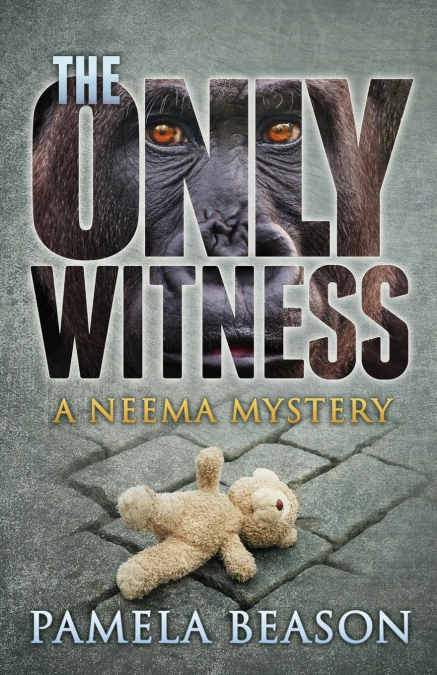
  • The Only Witness
    Pamela Beason / TBD
    A MISSING BABYSeventeen-year-old Brittany Morgan dashed into the store for just a minute, leaving her sleeping baby in the car. Now Ivy's gone and half the town believes Brittany murdered her daughter.A HAUNTED DETECTIVEDetective Matthew Finn, a big-city fish out of water in small-town Evansburg, Washington, struggles with his wife's betrayal as he investigates Ivy Morg...
    Disponible

    20,64 €

  • The Gender of Inanimate Objects and Other Stories
    Laura Marello
    In the phosphorescent title novella of Laura Marello's collection, an enigmatic drifter pursues her circuitous path through the intricate cultural terrain of Sweetwater County, California, a patchwork of communities where "everyone speaks the wrong language." Through subtle, disciplined prose inflected with the deep colors and clear lines of ancient Mykonos and the northern...
    Disponible

    15,29 €

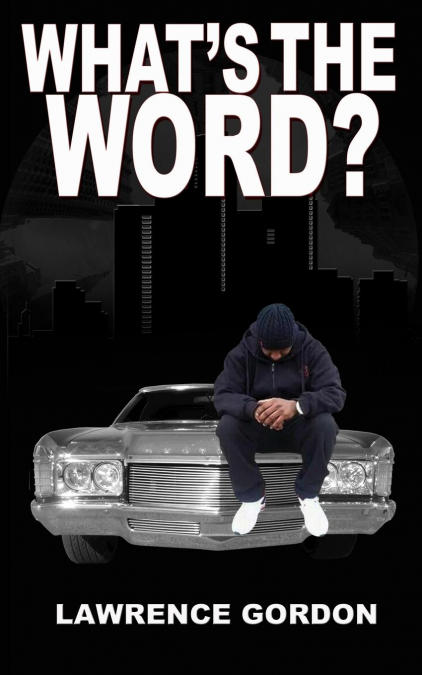
  • What's the Word?
    Lawrence Gordon
    This is a work of non-fiction. The events penned herein reflect real life situations; great times and terrible times; which my family, my friends, and I endured.      This work will reflect the spiritual aspects of my family. I was born and raised in our family church. The name of the church was God’s Universal House of Prayer and my Uncle, James Henderson was the Pastor until...
    Disponible

    7,19 €

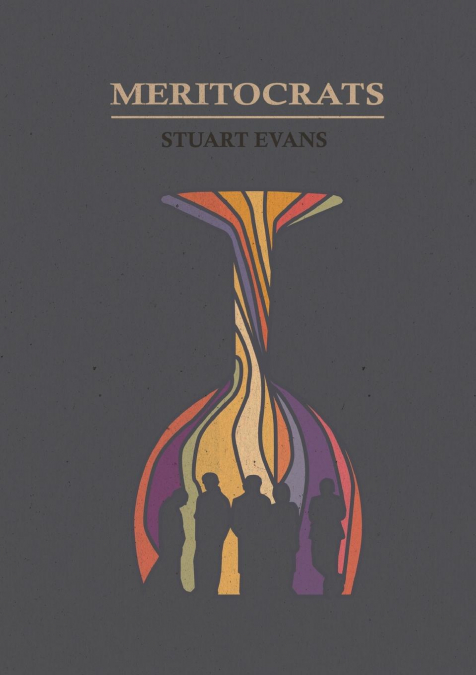
  • Meritocrats
    Stuart Evans
    Stuart Evans’s first novel is a comedy-of-ill-manners set in a nouveau riche milieu: a fantastic satirical performance and hyper-referential homage to masters past and present. Paul Keller is the Stephen Dedalus of the piece, the son of Robert and Sylvie, whose internal monologue is spliced into the action, and whose incestuous feelings for his sister lead to an increase in his...
    Disponible

    19,71 €

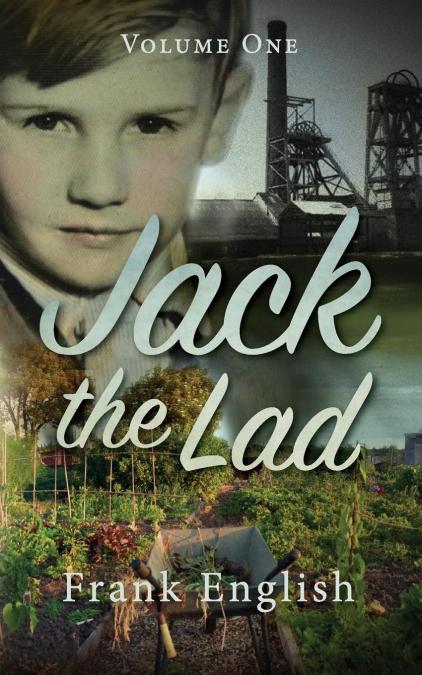
  • Jack the Lad
    Frank English
    A tale based loosely in reality, this story traces the fortunes of the Ingles family in the West Riding coal fields around Wakefield. Theirs is a saga that could be replicated time after time in an area where scratching a living wasn't easy, and where coal, drink, and occasional infidelity played integral parts in the life of the community. Their story starts in the mid-194...
    Disponible

    13,53 €

  • The Empty Chair
    Penny Goetjen
    o A steamy Caribbean islando A missing female photographero A daughter’s relentless search and her entanglement in the island’s twisted subculture Don’t expect an umbrella in your drink when you escape to the Virgin Islands in this heart-pounding suspense novel as young Olivia Benning desperately searches for her photographer mother who has gone missing during a covert assignme...
    Disponible

    12,62 €

Otros libros del autor

  • Dörnberg
    Henry A. Fischer / Henry AFischer
    In the past, the steep, majestic, heavily forested, and somewhat impregnable Josefsberg was the lair of robber bands and brigands following the expulsion of the Turks from the area and all of Hungary. In future it would become known as the Jószefhegy. It is one of the highest elevations in northeastern Somogy County. In its lengthening shadow, the village of Dörnberg would emer...
    Disponible

    32,17 €

  • Dörnberg
    Henry A. Fischer / Henry AFischer
    In the past, the steep, majestic, heavily forested, and somewhat impregnable Josefsberg was the lair of robber bands and brigands following the expulsion of the Turks from the area and all of Hungary. In the future, it would become known as the Jószefhegy. It is one of the highest elevations in northeastern Somogy County. In its lengthening shadow, the village of Dörnberg would...
    Disponible

    32,16 €

  • From Toleration to Expulsion
    Henry A. Fischer / Henry AFischer
    On April 6, 1948, a significant portion of the population of the village of Ecsény in Somogy County, Hungary, was expelled from their homeland. This was the result of Protocol XIII of the Potsdam Declaration of 1945 calling for 'the orderly and humane transfer of German populations now living in Poland, Czechoslovakia, and Hungary.' The families involved were descendants of Ger...
    Disponible

    33,63 €

  • From Toleration to Expulsion
    Henry A. Fischer / Henry AFischer
    On April 6, 1948, a significant portion of the population of the village of Ecsény in Somogy County, Hungary, was expelled from their homeland. This was the result of Protocol XIII of the Potsdam Declaration of 1945 calling for 'the orderly and humane transfer of German populations now living in Poland, Czechoslovakia, and Hungary.' The families involved were descendants of Ger...
  • From Toleration to Expulsion
    Henry A. Fischer / Henry AFischer
    On April 6, 1948, a significant portion of the population of the village of Ecsény in Somogy County, Hungary, was expelled from their homeland. This was the result of Protocol XIII of the Potsdam Declaration of 1945 calling for 'the orderly and humane transfer of German populations now living in Poland, Czechoslovakia, and Hungary.' The families involved were descendants of Ger...
    Disponible

    33,59 €

  • From Toleration to Expulsion
    Henry A. Fischer / Henry AFischer
    On April 6, 1948, a significant portion of the population of the village of Ecsény in Somogy County, Hungary, was expelled from their homeland. This was the result of Protocol XIII of the Potsdam Declaration of 1945 calling for 'the orderly and humane transfer of German populations now living in Poland, Czechoslovakia, and Hungary.' The families involved were descendants of Ger...