 Librería Samer Atenea
 Kálamo Books
 Librería Elías (Asturias)
 Librería Kolima (Madrid)
 Librería Proteo (Málaga)
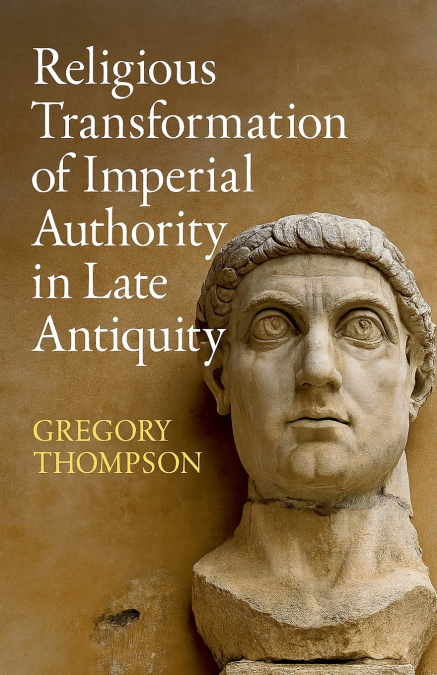
In this groundbreaking study, the dramatic transformation of political legitimacy from pagan Rome to Christian kingdoms is brought vividly to life. When Constantine raised the Christian banner at the Milvian Bridge in 312 CE, he set in motion a revolution in how power itself would be understood for the next thousand years. This book takes readers on a captivating journey across empires and cultures to reveal how a marginalized faith whose founder had rejected worldly power became the essential foundation for legitimate rule throughout the Mediterranean world and beyond.Moving beyond the conventional focus on Rome and Constantinople, this panoramic account explores how Christian conceptions of authority were adapted across diverse societies-from Ethiopian kings claiming descent from Solomon to Persian Christians negotiating life under Zoroastrian rule, from Armenian spiritual leaders preserving national identity under foreign domination to Visigothic monarchs forging new syntheses of Roman and Germanic traditions. Through vivid storytelling and insightful analysis of imperial ceremonies, religious controversies, and political rivalries, readers witness how religious truth became intertwined with political power in ways that would shape Western civilization for centuries to come.The narrative reaches its climax with Charlemagne’s coronation as Holy Roman Emperor on Christmas Day, 800-a moment that brilliantly crystallized the religious transformation of authority while establishing patterns that would define medieval political thought. By tracing these developments across multiple contexts, this book offers not merely historical analysis but a profound meditation on the enduring question of how religious conviction shapes the exercise and legitimation of political power.Essential reading for anyone interested in the foundations of Western political thought, the complex relationship between religion and politics, or the transformative power of ideas in shaping human societies, this book illuminates how Christianity’s encounter with imperial authority created new understandings of legitimate rule that continue to resonate in our world today.