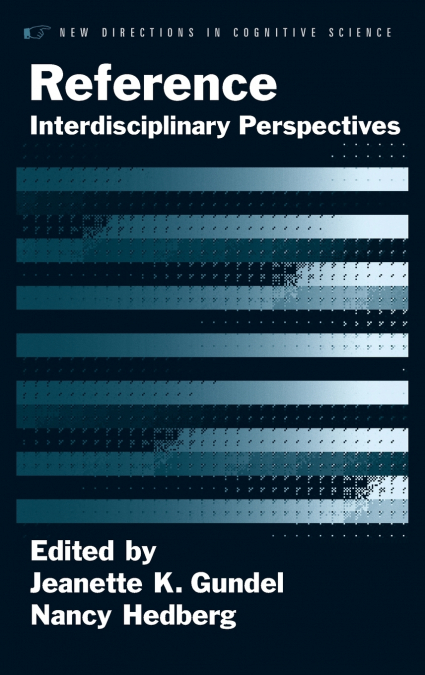
Reference

Reference

Jeanette K. Gundel / Nancy Hedberg

154,12 €
IVA incluido
Consulta disponibilidad
Editorial:
Oxford University Press
Año de edición:
2007
Materia
Lingüistica
ISBN:
9780195331639

Selecciona una librería:

  • Librería Samer Atenea
  • Librería Aciertas (Toledo)
  • Kálamo Books
  • Librería Perelló (Valencia)
  • Librería Elías (Asturias)
  • Donde los libros
  • Librería Kolima (Madrid)
  • Librería Proteo (Málaga)

The ability to produce and understand referring expressions is basic to human language use and human cognition. Reference comprises the ability to think of and represent objects (both real and imagined/fictional), to indicate to others which of these objects we are talking about, and to determine what others are talking about when they use a nominal expression. The articles in this volume are concerned with some of the central themes and challenges in research on reference within the cognitive sciences - philosophy (including philosophy of language and mind, logic, and formal semantics), theoretical and computational linguistics, and cognitive psychology. The papers address four basic questions: What is reference? What is the appropriate analysis of different referring forms, such as definite descriptions? How is reference resolved? and How do speaker/writers select appropriate referring forms, such as pronouns vs. full noun phrases, demonstrative vs. personal pronouns, and overt vs. null/zero pronominal forms? Some of the papers assume and build on existing theories, such as Centering Theory and the Givenness Hierarchy framework; others propose their own models of reference understanding or production. The essays examine reference from a number of disciplinary and interdisciplinary perspectives, informed by different research traditions and employing different methodologies. While the contributors to the volume were primarily trained in one of the four represented disciplines-computer science, linguistics, philosophy and psychology, and use methodologies typical of that discipline, each of them bridges more than one discipline in their methodology and/or their approach.
Artículos relacionados

  • User-Centered Computer Aided Language Learning
    Giorgos Zacharia / Panayiotis Zaphiris
    ...
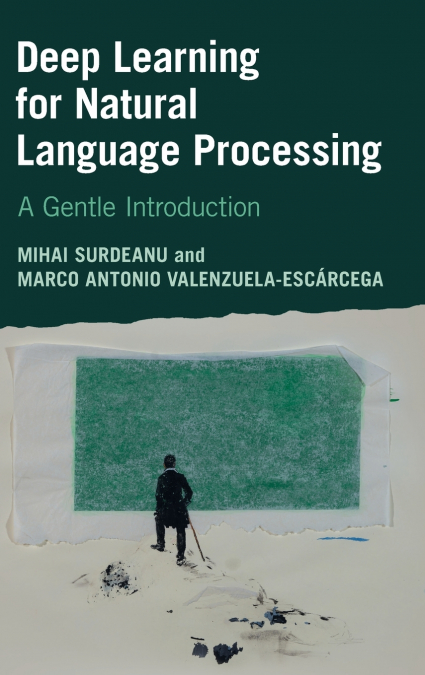
  • Deep Learning for Natural Language Processing
    Marco Antonio Valenzuela-Escárcega / Mihai Surdeanu
    ...
    Disponible

    47,60 €

  • Deep Learning for Natural Language Processing
    Marco Antonio Valenzuela-Escárcega / Mihai Surdeanu
    ...
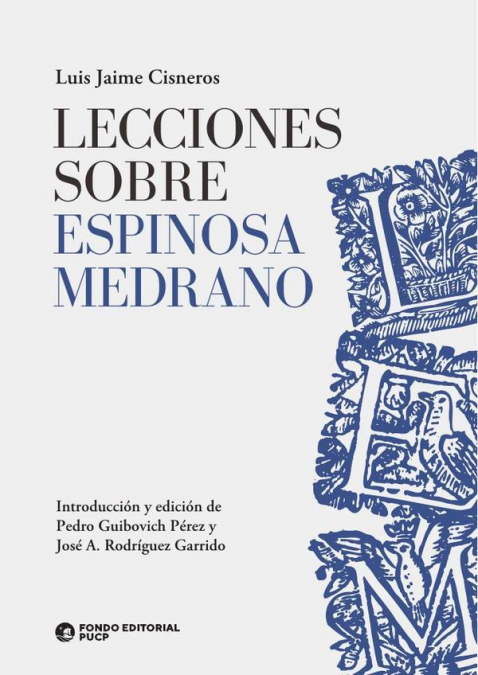
  • Lecciones sobre espinosa medrano
    Luis Jaime Cisneros Vizquerra
    La obra de Juan de Espinosa Medrano, apodado en su tiempo «El Lunarejo» (c. 1629-1688), fue uno de los mayores focos de interés académico de Luis Jaime Cisneros (1921-2011). En 1980 aparecieron sus primeros trabajos dedicados a estudiar los textos capitales de Espinosa Medrano (el Apologético en favor de don Luis de Góngora, la Panegírica declamación por la protección de las ci...
    Disponible

    17,63 €

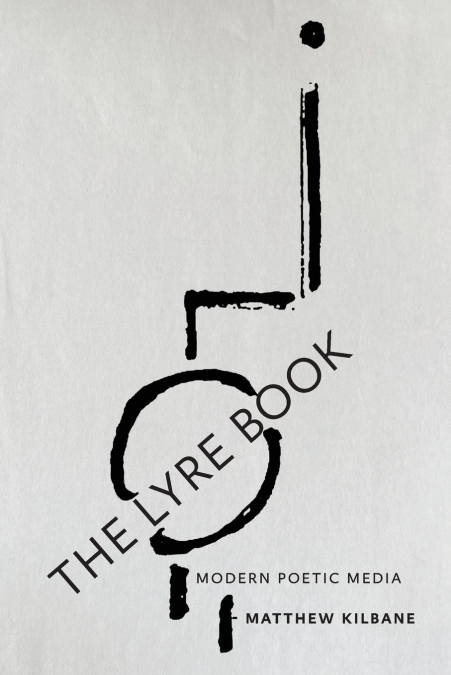
  • Lyre Book
    Matthew Kilbane
    Redefines modern lyric poetry at the intersection of literary and media studies.In The Lyre Book, Matthew Kilbane urges literary scholars to consider lyric not as a genre or a reading practice but as a media condition: the generative tension between writing and sound. In addition to clarifying issues central to the study of modern poetry--including its proximity to popular song...
    Disponible

    50,84 €

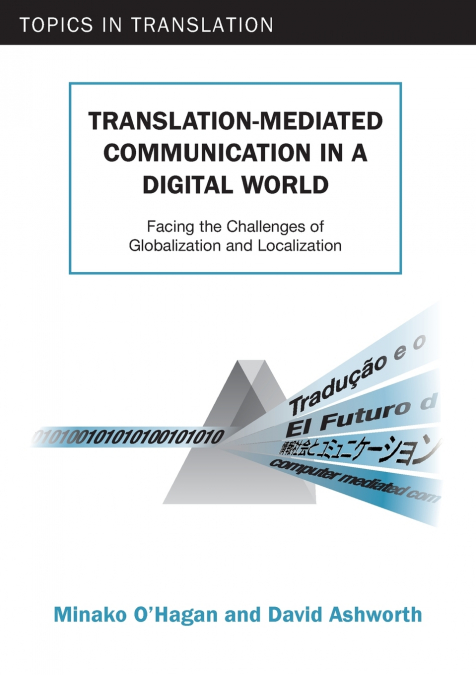
  • Translation-mediated Communication in a Digital World
    David Ashworth / Minako O’Hagan
    The Internet is accelerating globalization by exposing organizations and individuals to global audiences. This in turn is driving teletranslation and teleinterpretation, new types of multilingual support, which are functional in digital communications environments. The book describes teletranslation and teleinterpretation by exploring a number of key emerging contexts for langu...
    Disponible

    45,19 €