
Inicio > Biografía e historias reales > Recuerdos del Nuevo Imperio
Recuerdos del Nuevo Imperio

Recuerdos del Nuevo Imperio

I.I.M.

18,80 €
IVA incluido
Disponible
Editorial:
Digital Ink Productions
Año de edición:
2026
Materia
Biografía e historias reales
ISBN:
9781834520186
18,80 €
IVA incluido
Disponible

Selecciona una librería:

  • Librería Samer Atenea
  • Kálamo Books
  • Librería Elías (Asturias)
  • Librería Kolima (Madrid)
  • Librería Proteo (Málaga)

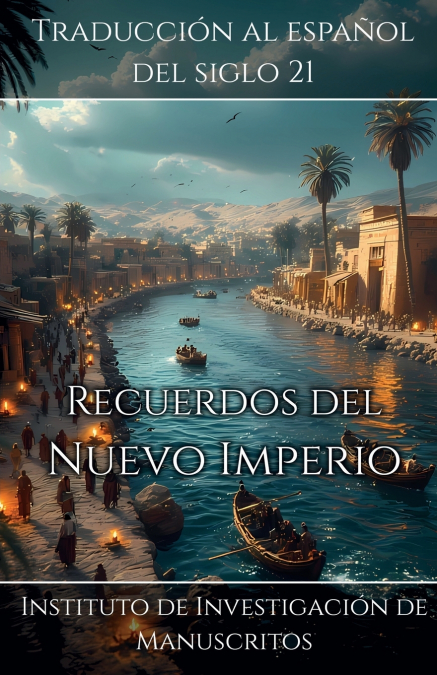
La era del Nuevo Imperio en la historia egipcia surgió de la oscuridad del Segundo Período Intermedio, cuando la dinastía tebana expulsó a los hicsos de Egipto y conquistó Canaán y Nubia. La caída de la dinastía hicsa parece haber sido en gran medida consecuencia de la erupción minoica en Grecia, que oscureció el cielo de Egipto y cubrió el norte del país con hasta dos metros de ceniza. La Estela de la Tempestad de Karnak describe los efectos de la tormenta, que se extendieron hasta el sur de Egipto durante la época de Amosis I, el faraón que finalmente expulsó a los hicsos.Este periodo de destrucción tuvo lugar poco antes de que Amosis I lanzara su exitosa invasión del norte de Egipto y capturara la capital de los hicsos, Avaris. La referencia al derrumbe de las pirámides probablemente alude a las pirámides de adobe del Imperio Medio, que se derrumbaron en algún momento, aunque lo único que normalmente causaría el derrumbe del adobe es la lluvia intensa. Las pirámides de adobe del Imperio Kushita aún se mantienen en pie después de unos 3000 años; sin embargo, se encuentran en el desierto.La autobiografía de Amosis, hijo de Abana, narra muchas de las primeras batallas que forjaron el Nuevo Imperio egipcio, incluyendo la batalla de Avaris y la posterior batalla de Sharuhen, unos años después, que culminó con la conquista del antiguo dominio hicso por parte de Egipto. A menudo se describe a Amosis, hijo de Abana, como un almirante egipcio; sin embargo, su carrera en la armada egipcia abarcó décadas al servicio de diversos faraones, como Amosis I, Amenofis I y Tutmosis I, durante más de 50 años, desde aproximadamente la década de 1570 hasta la de 1520 a. C.
Artículos relacionados

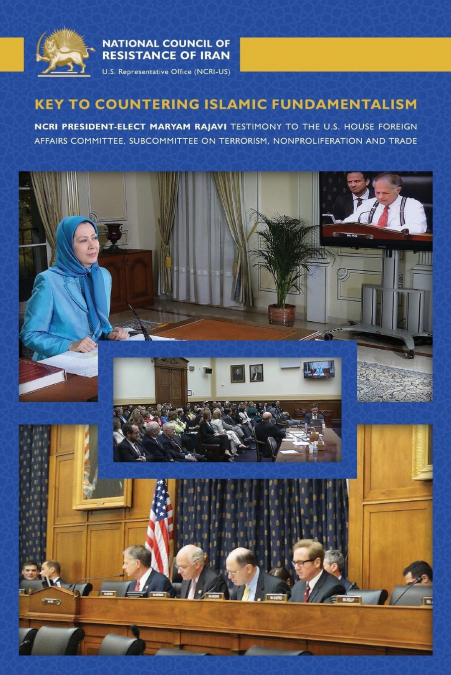
  • Key to Countering Islamic Fundamentalism
    Maryam Rajavi
    Testimony before U.S. House Foreign Affairs Committee's subcommittee on Terrorism, non-Proliferation, and Trade discussing ISIS and Islamic fundamentalism. The book contains Maryam Rajavi's full testimony as well as the question and answer by representatives. During the hearing, Maryam Rajavi who is the president-elect of Iran's parliament-in-exile, the National Council of Resi...
    Disponible

    13,94 €

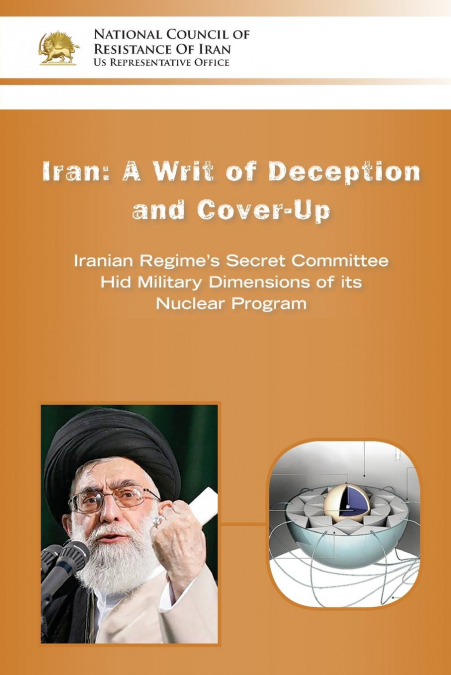
  • IRAN-A Writ of Deception and Cover-up
    NCRI- U.S. Representative Office / NCRI- U.SRepresentative Office
    Based on reliable information obtained by the Mujahedin-e Khalq (MEK) network inside Iran, a top-secret committee is in charge of drafting the answers to the International Atomic Energy Agency (IAEA) regarding the Possible Military Dimensions (PMD) of Tehran's nuclear program. Top officials from the Islamic Revolutionary Guards Corps (IRGC) and the Ministry of Defense Armed...
    Disponible

    5,44 €

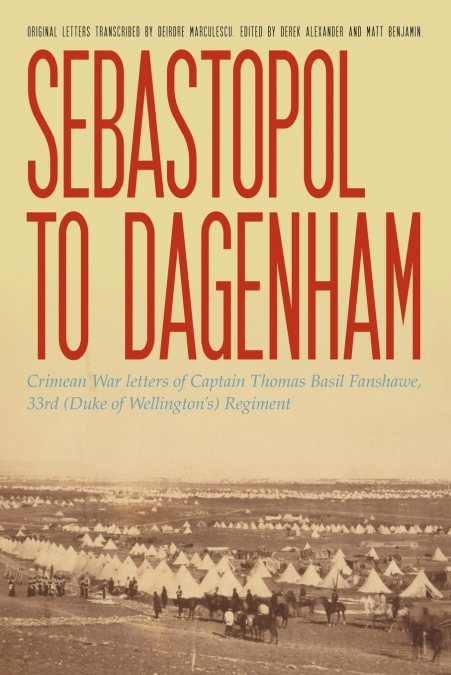
  • Sebastopol to Dagenham
    Thomas Basil Fanshawe
    'Sebastopol appears to be a succession of forts which the Russians are strengthening every day. A great number of the men are sick of the whole concern. No one looks forward to another winter out here with any degree of satisfaction'.Captain Thomas Basil Fanshawe served with the 33rd (Duke of Wellington's) Regiment at Sebastopol during the Crimean War. The letters h...
    Disponible

    23,05 €

  • THEN AND NOW
    Hussein Shabka
    The rise and fall of civilizations has been a fact of history since before it was recorded. It is a normal process. So what is the particular significance of Egypt’s descent from a wealthy, organized, sophisticated society into the chaotic milieu that reigns today? Perhaps it relates to the nature of the yawning gap that exists between that sophistication that endured for more ...
    Disponible

    33,86 €

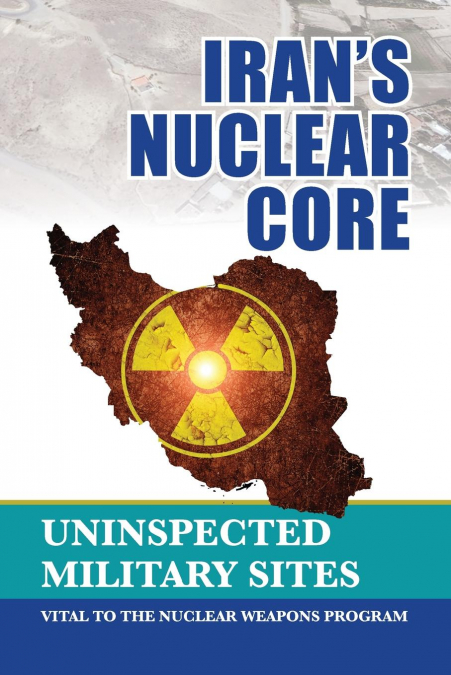
  • Iran’s Nuclear Core
    NCRI- U.S. Representative Office / NCRI- U.SRepresentative Office
    Iran's Nuclear Core details how the nuclear weapons program is at the heart, and not in parallel, to the civil nuclear program of Iran. The program is run by the Islamic Revolutionary Guards Corp (IRGC) since the beginning, and the main nuclear sites and nuclear research facilities have been hidden from the eyes of the United Nations nuclear watchdog.The manuscript details ...
    Disponible

    23,24 €

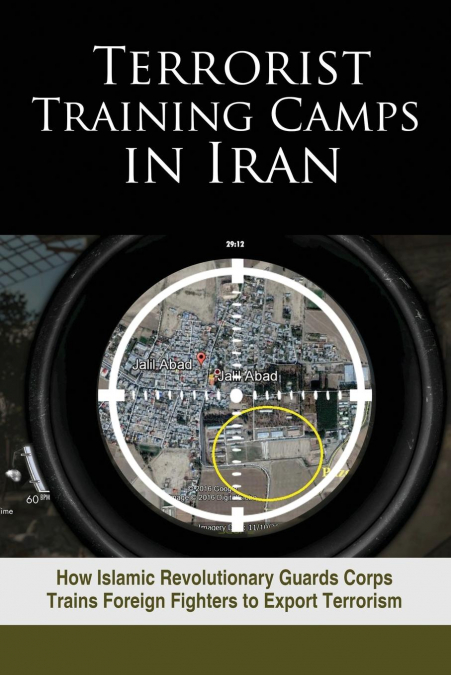
  • Terrorist Training Camps in Iran
    NCRI- U.S. Representative Office / NCRI- U.SRepresentative Office
    The book details how  Islamic Revolutionary Guards Corps trains foreign fighters in 15 various camps in Iran to export terrorism. The IRGC has created a large directorate within its extraterritorial arm, the Quds Force, in order to expand its training of foreign mercenaries as part of the strategy to step up its meddling abroad in Syria, Iraq, Yemen, Bahrain, Afghanistan and el...
    Disponible

    23,24 €

Otros libros del autor

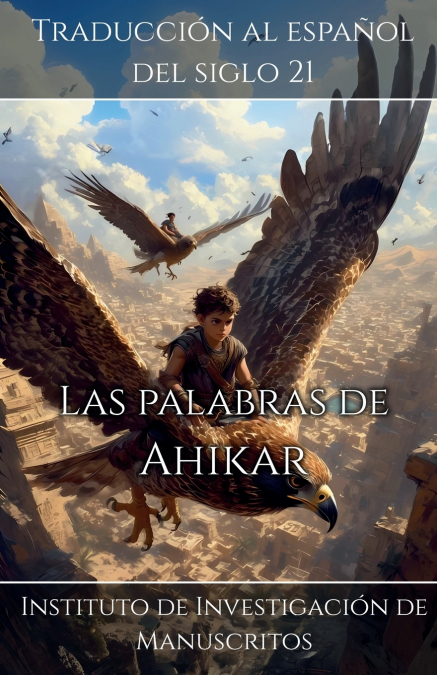
  • Las palabras de Ahikar
    I.I.M.
    Las Palabras de Ahikar es la historia israelita más antigua que se conserva, con copias conocidas en arameo que datan del siglo 5 a.C. Como ha sido traducido a muchos idiomas durante los últimos dos milenios y medio, ahora tiene varios nombres y traducciones, incluidas las Palabras de Ahiqar, la Historia de Ahikar y varias variaciones del nombre, incluido Achiacharos, de la tra...
    Disponible

    16,43 €