Inicio > Tecnología, ingeniería, agricultura > Tecnología: cuestiones generales > Rechnerunterstützte Gestaltung und Darstellung Dreidimensionaler technischer Gebilde mit beliebig geformten Oberflächen
Rechnerunterstützte Gestaltung und Darstellung Dreidimensionaler technischer Gebilde mit beliebig geformten Oberflächen

Rechnerunterstützte Gestaltung und Darstellung Dreidimensionaler technischer Gebilde mit beliebig geformten Oberflächen

Hans-Friedrich Peters

85,05 €
IVA incluido
Disponible
Editorial:
Springer Nature B.V.
Año de edición:
1988
Materia
Tecnología: cuestiones generales
ISBN:
9783528063375
85,05 €
IVA incluido
Disponible

Selecciona una librería:

  • Librería Samer Atenea
  • Librería Aciertas (Toledo)
  • Kálamo Books
  • Librería Perelló (Valencia)
  • Librería Elías (Asturias)
  • Donde los libros
  • Librería Kolima (Madrid)
  • Librería Proteo (Málaga)

Mit der lurverfiigungstellung leistungsfahiger Computer hat vor ca. zwei Jahrzehnten eine Automatisierung von leichen- und Konstruktionstatigkeiten begonnen, ahnlich jener Automatisierungswelle manueller Tatigkeiten, nach den Erfindungen der verschiedenen Kraftmaschinen, welche seit iiber zweihundert Jahren unvermindert anhalt. Wahrend CAD-Systeme der 1. Generation nur 2-dimensionale Geometrie verarbeiten und darstellen konnten, konnten spatere Systeme auch 3-dimensionale Geometrie verarbeiten. lwei- und dreidimensionale CAD-Systeme bestanden aber meist noch nebeneinander, es waren diskrete Systeme, welche keine Informationen austauschen konnten. CAD-Systeme der 2. Generation sind integrierte 2D-/3D-Systeme, welche aus 2D-Bild­ informationen automatisch ein 3D-Datenmodell eines technischen Gebildes erzeugen kOl1nen. Sie konnen 'Modellieren', und sie konnen von diesem erzeugten Modell wieder­ um automatisch gleiche oder andere Ansichten und Schnittdarstellungen erzeugen, - sie konnen 'Abbilden'. Da die 'Welt der Technik' dreidimensional ist, und der Konstruk­ teur dreidimensionale CAD-Systeme fiir viele Faile braucht, wird diese Trennung in 2D­ und 3D-CAD-Systeme nach und nach verschwinden, neuere und zukiinftige Systeme wer­ den beides ki:innen und dieser Trennung in eine ,,2D-und 3D-Datenwelt' nicht mehr be­ diirfen. Der Autor hat mit der vorliegenden Arbeit einen wesentlichen Beitrag und Voraussetzun­ gen zur Integration von 2D- und 3D-CAD-Systemen geschaffen. Dabei war es ein beson­ deres Anliegen des Autors, stets den Erfordernissen der Konstruktionspraxis gerecht zu werden. Die Ergebnisse konnten deshalb unmittelbar zur Entwicklung eines 2D-/3D-CAD­ Systems RUKON genutzt werden. Moge dieses Buch vielen Hilfe und Anregung beim Studium dieses Fachgebietes und bei der Entwicklung eigener CAD-Programmsysteme sein. R. Koller VII Inhaltsverzeichnis Einleitung und Zielsetzung 1. 8egriffsbestimmu ngen 3 2. 3. Konstruktionsmethodische Grundlagen ...................... .
Artículos relacionados

  • Science and the Big Issues of Our Time
    Martin Gellender
    Within the last few generations, our world has been shaped by technological change enabled by scientific advances. This is particularly evident to the 'baby boomer' generation, who have lived through and witnessed huge changes in society over the course of their lifetimes. Although many have little education in science, or have forgotten what they learned in high school, they u...
    Disponible

    26,58 €

  • Statics+++
    James W Dally / Robert J Bonenberger
    This textbook has been prepared to support a course offering for Statics at the University of Nevada at Reno.  Statics provides the first exposure of engineering students to the study of mechanics.  While Statics is a relatively simple subject, many students find it difficult, and they often perform far below our expectations.  In an effort to improve the curriculum, several me...
    Disponible

    101,22 €

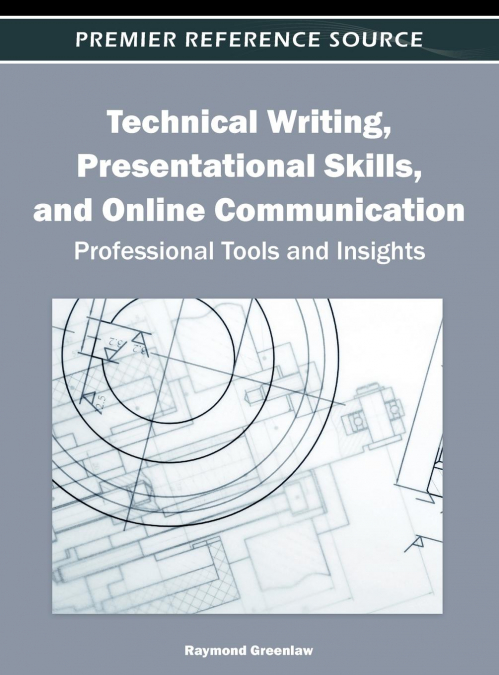
  • Technical Writing, Presentational Skills, and Online Communication
    Raymond Greenlaw
    This book addresses four main topics: professional ethics, technical writing, presentation skills, and online writing. These topics are woven throughout the book and some of them are the main subjects of one or more chapters. The overarching theme of this book is to provide well-tested, best-practice techniques and strategies for main topic areas while focusing on information t...
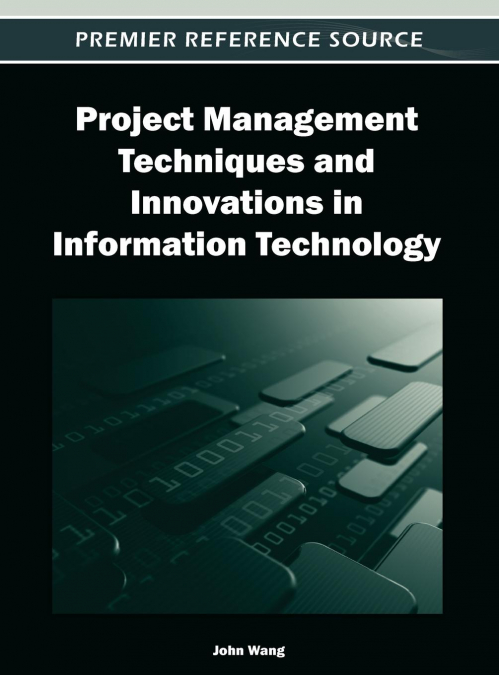
  • Project Management Techniques and Innovations in Information Technology
    John Wang
    Managing cost, time, and quality of a project can be a challenging task for any project manager, but especially in times of an ever-changing and burgeoning field of IT. Project Management Techniques and Innovations in Information Technology offers a vital compendium of the latest research, case studies, best practices, and methodologies within the field of IT project management...
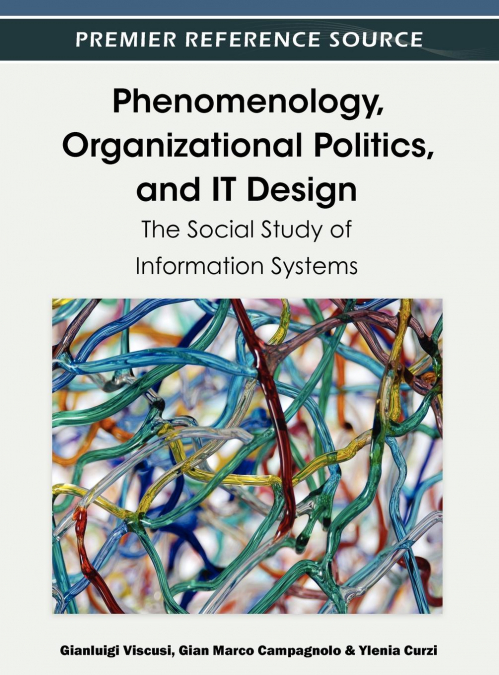
  • Phenomenology, Organizational Politics, and IT Design
    Information systems are researched, published on, and utilized as an extremely broad and vital sector of current technology development, usually studied from the scientific or technological viewpoints therein. Phenomenology, Organizational Politics, and IT Design: The Social Study of Information Systems offers a new look at the latest research and critical issues within the fie...
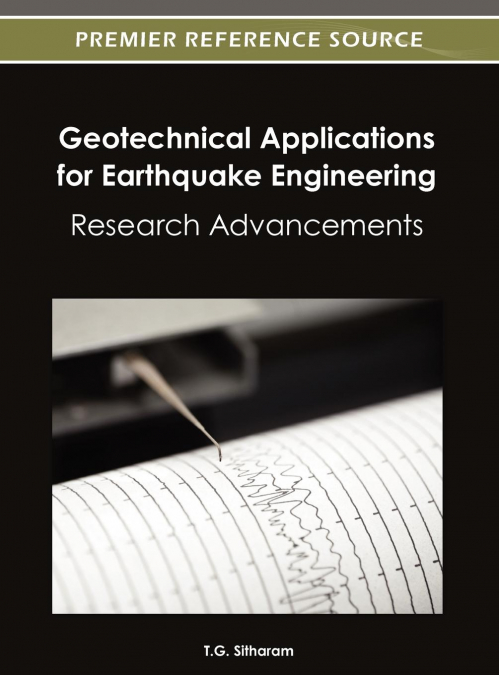
  • Geotechnical Applications for Earthquake Engineering
    Disaster preparedness and response management is a burgeoning field of technological research, and staying abreast of the latest developments within the field is a difficult task. Geotechnical Applications for Earthquake Engineering: Research Advancements has collected chapters from experts from around the world in a variety of applications, frameworks, and methodologies, and p...