

 Librería Samer Atenea
 Kálamo Books
 Librería Elías (Asturias)
 Librería Kolima (Madrid)
 Librería Proteo (Málaga)
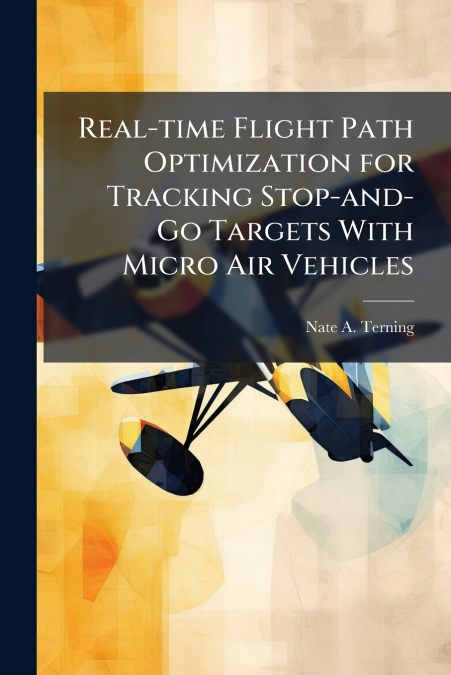
This research effort focuses on using a heuristic approach to determine the optimal flight path required to put an Unmanned Aircraft System’s (UAS) sensor on a moving target in the presence of a constant wind field. This thesis builds on past work using dynamic optimization techniques to calculate minimum time to target. The computationally intensive dynamic optimization routines in their current form take a prohibitive amount of time to calculate and ultimately result in erroneous flight path predictions due to inherent execution time latencies. Therefore an iterative, suboptimal heuristic approach was explored to mitigate excessive calculation times and ultimately yield improved flight path predictions. This report not only explores the heuristic techniques used for flight path calculation, but also includes real world application and flight test results in a Micro Air Vehicle equipped with an autopilot.This work has been selected by scholars as being culturally important, and is part of the knowledge base of civilization as we know it. This work was reproduced from the original artifact, and remains as true to the original work as possible. Therefore, you will see the original copyright references, library stamps (as most of these works have been housed in our most important libraries around the world), and other notations in the work.This work is in the public domain in the United States of America, and possibly other nations. Within the United States, you may freely copy and distribute this work, as no entity (individual or corporate) has a copyright on the body of the work.As a reproduction of a historical artifact, this work may contain missing or blurred pages, poor pictures, errant marks, etc. Scholars believe, and we concur, that this work is important enough to be preserved, reproduced, and made generally available to the public. We appreciate your support of the preservation process, and thank you for being an important part of keeping this knowledge alive and relevant.





