

 Librería Samer Atenea
 Kálamo Books
 Librería Elías (Asturias)
 Librería Kolima (Madrid)
 Librería Proteo (Málaga)
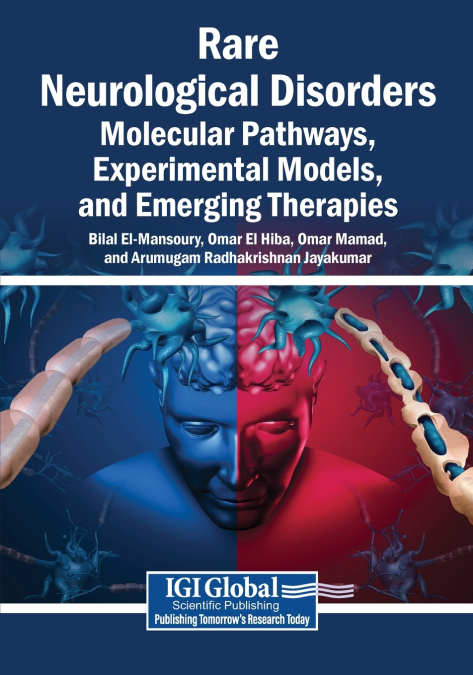
Rare diseases collectively affect millions of people worldwide and represent a significant, yet often overlooked, global health challenge. Among these conditions, rare neurological disorders account for a substantial proportion of cases and are frequently associated with severe neurological impairments, complex clinical manifestations, and lifelong care requirements. Their diverse presentations, combined with low prevalence and limited clinical awareness, continue to pose significant challenges for timely diagnosis and effective treatment. However, advances in genetics, molecular biology, and neuroscience are transforming our understanding of the mechanisms underlying these disorders and creating new opportunities for therapeutic innovation. Growing scientific interest and investment in this field are driving progress toward improved clinical outcomes and enhanced quality of life for affected individuals and their families. Rare Neurological Disorders: Molecular Pathways, Experimental Models, and Emerging Therapies provides an in-depth examination of rare neurological disorders by linking advances in molecular and cellular research with emerging approaches to diagnosis, treatment, and disease management. Moving beyond purely clinical or genetic perspectives, the book emphasizes the biological mechanisms that drive disease pathogenesis and the experimental models used to investigate them. By integrating fundamental scientific discoveries with translational and clinical research, it offers a comprehensive perspective on one of the most rapidly evolving areas of contemporary neuroscience. Covering topics such as vagus nerve stimulation therapy, metabolic dysfunction, and targeted interventions, this book serves as an invaluable resource for graduate and doctoral students, molecular and cellular biologists, neuroscientists, neurodevelopmental disorder specialists, therapeutic development professionals, pediatric neurologists, researchers, policymakers, and other professionals involved in the study and treatment of rare neurological diseases.





