

 Librería Samer Atenea
 Kálamo Books
 Librería Elías (Asturias)
 Librería Kolima (Madrid)
 Librería Proteo (Málaga)
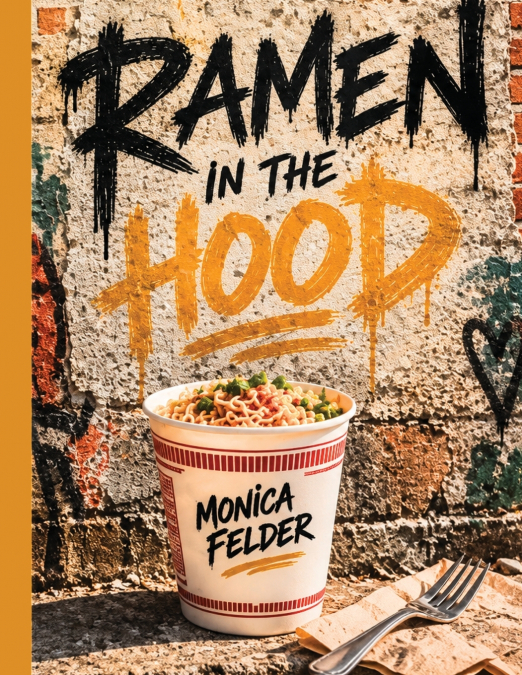
Ramen in the HoodContemporary Young Adult Fiction | Coming-of-Age | Social-Impact FictionGrowing up doesn’t come with instructions. And sometimes, survival teaches you lessons long before anyone teaches you how to live. Ramen in the Hood is a raw, funny, emotionally honest coming-of-age novel about young people trying to understand themselves while navigating families, relationships, money, identity, sexuality, mental health, friendship, expectations, and the complicated environments shaping who they become. At its heart, the book asks a question young people are rarely given enough room to answer: What happened to me-and what did I learn to become because of it?Rather than reducing teenagers to labels like troubled, rebellious, depressed, poor, promiscuous, angry, unmotivated, or misunderstood, Ramen in the Hood looks underneath behavior. explores the experiences, relationships, environments, decisions, and survival strategies that can exist behind what adults see on the surface. Through interconnected stories and recurring characters, readers encounter young people dealing with issues that rarely happen one at a time: poverty and class differences, unstable households, homelessness and housing insecurity, bullying, sexuality and identity, teen pregnancy, complicated friendships, dating and first love, loneliness, family expectations, absent or overwhelmed parents, social media, mental health, and the pressure to figure out a future while still trying to understand the present. But this is not a book built around tragedy.There is humor. Messiness. Bad decisions. Awkward conversations. Crushes. Arguments. Loyalty. Contradictions. Ramen noodles. Moments that seem insignificant until years later, when you realize they helped shape an entire person. And no character exists simply to become somebody else’s lesson. The book challenges readers to look at situations from more than one perspective. A teenager can make a harmful decision and still deserve to be understood. A parent can love their child and still fail them. Two people can experience the same event completely differently. Someone can be hurt and hurt someone else. Good intentions do not always create good outcomes, and difficult circumstances do not eliminate personal responsibility. That complexity is the point. Instead of telling young people what they should think, Ramen in the Hood invites them to examine why they think, react, love, fight, withdraw, attach, survive, and dream the way they do. The stories create the emotional experience. Reflection creates the opportunity to understand it.





