
Inicio > Lenguas > Lingüistica > Quine Versus Davidson
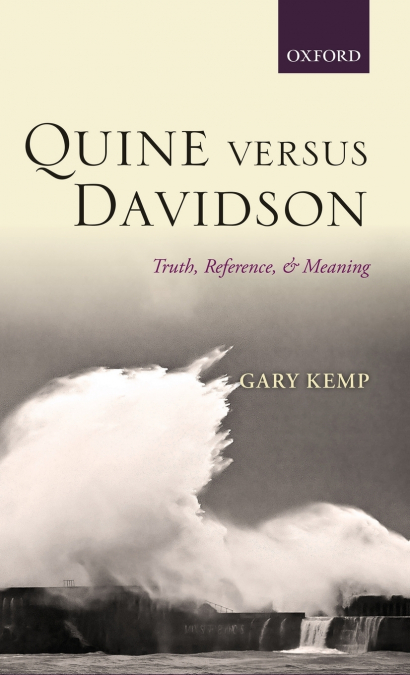
Quine Versus Davidson

Quine Versus Davidson

Gary Kemp

135,05 €
IVA incluido
Consulta disponibilidad
Editorial:
Oxford University Press
Año de edición:
2012
Materia
Lingüistica
ISBN:
9780199695621

Selecciona una librería:

  • Librería Samer Atenea
  • Librería Aciertas (Toledo)
  • Kálamo Books
  • Librería Perelló (Valencia)
  • Librería Elías (Asturias)
  • Donde los libros
  • Librería Kolima (Madrid)
  • Librería Proteo (Málaga)

Gary Kemp presents a penetrating investigation of key issues in the philosophy of language, by means of a comparative study of two great figures of late twentieth-century philosophy. So far as language and meaning are concerned, Willard Van Orman Quine and Donald Davidson are usually regarded as birds of a feather. The two disagreed in print on various matters over the years, but fundamentally they seem to be in agreement; most strikingly, Davidson’s thought experiment of Radical Interpretation looks to be a more sophisticated, technically polished version of Quinean Radical Translation. Yet Quine’s most basic and general philosophical commitment is to his methodological naturalism, which is ultimately incompatible with Davidson’s main commitments. In particular, it is impossible to endorse, from Quine’s perspective, the roles played by the concepts of truth and reference in Davidson’s philosophy of language: Davidson’s employment of the concept of truth is from Quine’s point of view needlessly adventurous, and his use of the concept of reference cannot be divorced from unscientific ’intuition’. From Davidson’s point of view, Quine’s position looks needlessly scientistic, and seems blind to the genuine problems of language and meaning. Gary Kemp offers a powerful argument for Quine’s position, and in favour of methodological naturalism and its corollary, naturalized epistemology. It is possible to give a consistent and explanatory account of language and meaning without problematic uses of the concepts truth and reference, which in turn makes a strident naturalism much more plausible.
Artículos relacionados

  • User-Centered Computer Aided Language Learning
    Giorgos Zacharia / Panayiotis Zaphiris
    ...
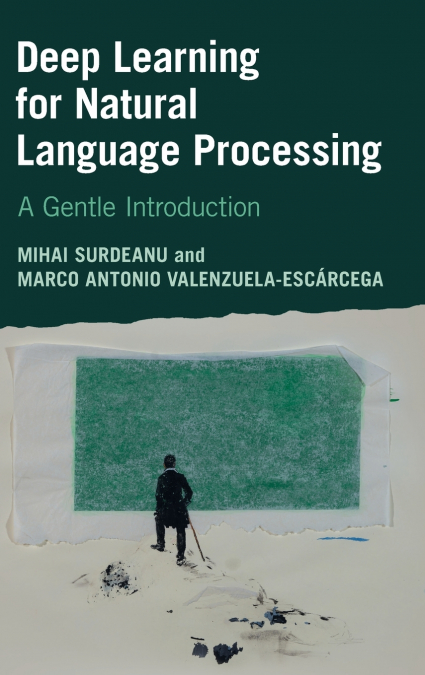
  • Deep Learning for Natural Language Processing
    Marco Antonio Valenzuela-Escárcega / Mihai Surdeanu
    ...
    Disponible

    47,60 €

  • Deep Learning for Natural Language Processing
    Marco Antonio Valenzuela-Escárcega / Mihai Surdeanu
    ...
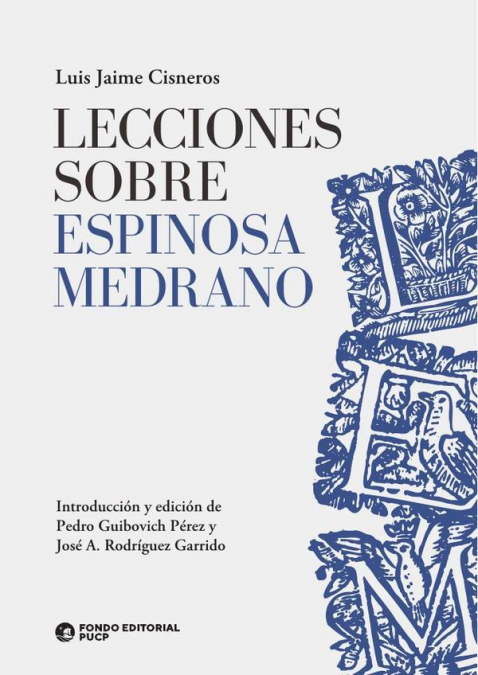
  • Lecciones sobre espinosa medrano
    Luis Jaime Cisneros Vizquerra
    La obra de Juan de Espinosa Medrano, apodado en su tiempo «El Lunarejo» (c. 1629-1688), fue uno de los mayores focos de interés académico de Luis Jaime Cisneros (1921-2011). En 1980 aparecieron sus primeros trabajos dedicados a estudiar los textos capitales de Espinosa Medrano (el Apologético en favor de don Luis de Góngora, la Panegírica declamación por la protección de las ci...
    Disponible

    17,63 €

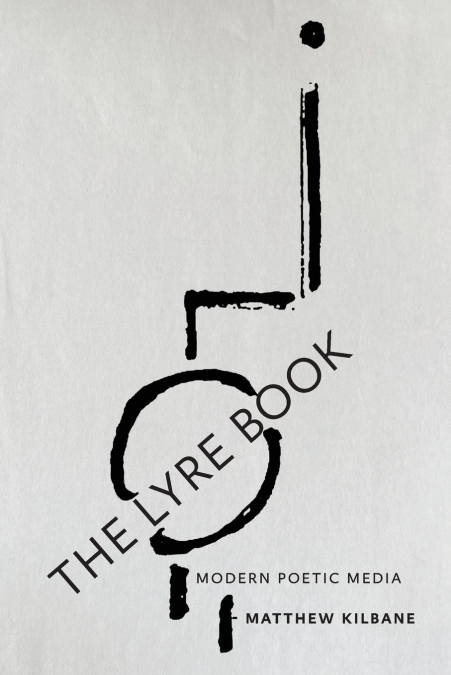
  • Lyre Book
    Matthew Kilbane
    Redefines modern lyric poetry at the intersection of literary and media studies.In The Lyre Book, Matthew Kilbane urges literary scholars to consider lyric not as a genre or a reading practice but as a media condition: the generative tension between writing and sound. In addition to clarifying issues central to the study of modern poetry--including its proximity to popular song...
    Disponible

    50,84 €

  • Translation-mediated Communication in a Digital World
    David Ashworth / Minako O’Hagan
    The Internet is accelerating globalization by exposing organizations and individuals to global audiences. This in turn is driving teletranslation and teleinterpretation, new types of multilingual support, which are functional in digital communications environments. The book describes teletranslation and teleinterpretation by exploring a number of key emerging contexts for langu...
    Disponible

    45,19 €

Otros libros del autor

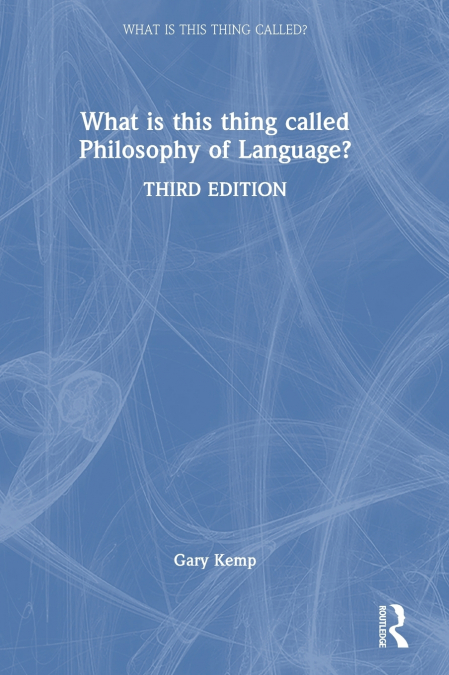
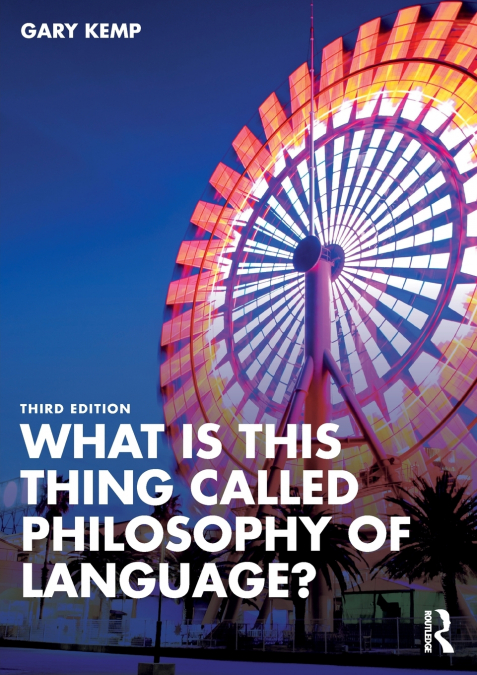
  • What is this thing called Philosophy of Language?
    Gary Kemp
    Thoroughly revised throughout and includes a new chapter on Chomsky’s theory of grammar. The concluding chapter on modern directions in philosophy of language has been expanded to two chapters and now cover crucial emergent areas of study such as slurs, conceptual engineering, and experimental philosophy. ...
  • What is this thing called Philosophy of Language?
    Gary Kemp
    Thoroughly revised throughout and includes a new chapter on Chomsky’s theory of grammar. The concluding chapter on modern directions in philosophy of language has been expanded to two chapters and now cover crucial emergent areas of study such as slurs, conceptual engineering, and experimental philosophy. ...
    Disponible

    79,52 €

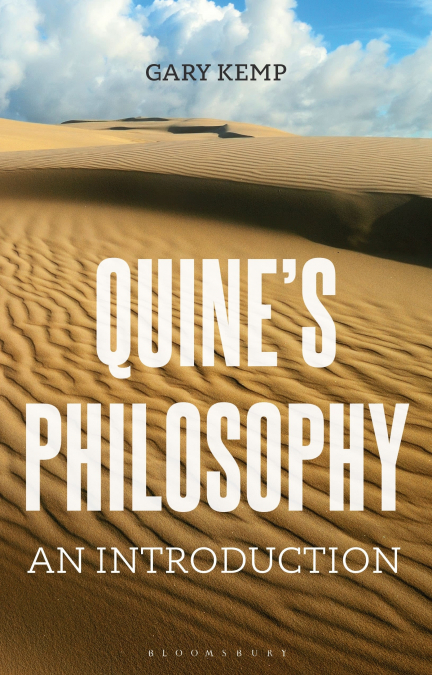
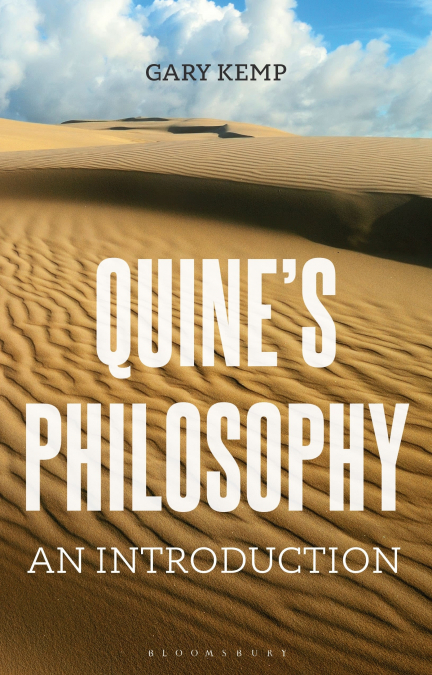
  • Quine’s Philosophy
    Gary Kemp
    W.V. Quine is one of the leading figures of 20th century analytic philosophy, and still among the most influential. But his work can be challenging and complex, and indeed often misunderstood. In this updated introduction to Quine’s thought, Gary Kemp examines his seemingly disparate views as a unified whole and offers a valuable guide for anyone approaching Quine for the first...
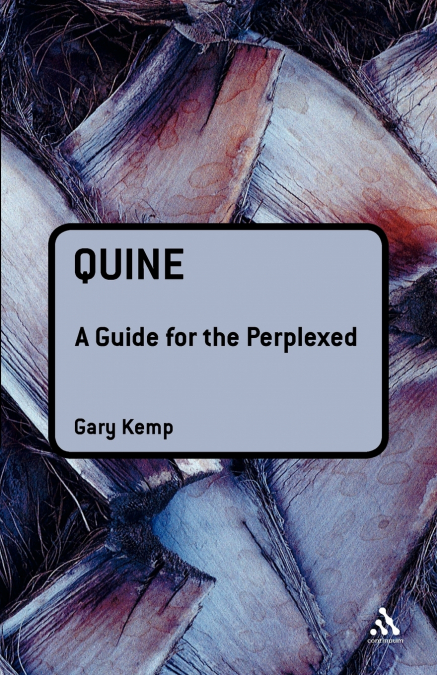
  • Quine
    Gary Kemp
    Willard Van Orman Quine is one of the most influential analytic philosophers of the latter half of the twentieth century. No serious student of modern analytic philosophy can afford to ignore Quine’s work.  Yet there is no doubt that it presents a considerable challenge. The book offers clear explication and analysis of Quine’s writings and ideas in all those areas of philosoph...
    Disponible

    47,43 €

  • Quine
    Gary Kemp
    Willard Van Orman Quine is one of the most influential analytic philosophers of the latter half of the twentieth century. No serious student of modern analytic philosophy can afford to ignore Quine’s work.  Yet there is no doubt that it presents a considerable challenge. The book offers clear explication and analysis of Quine’s writings and ideas in all those areas of philosop...