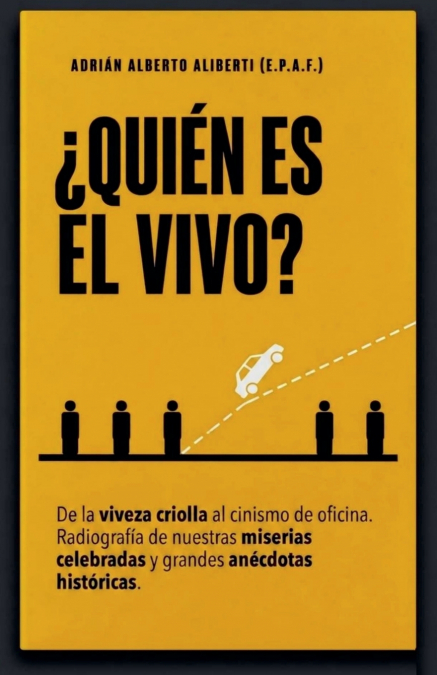
¿Quién es el vivo?

¿Quién es el vivo?

ADRIAN ALBERTO ALIBERTI (E.P.A.F.)

8,36 €
IVA incluido
Disponible
Editorial:
POLACO
Año de edición:
2026
Materia
Ética y filosofía moral
ISBN:
9798235690219
8,36 €
IVA incluido
Disponible

Selecciona una librería:

  • Librería Samer Atenea
  • Kálamo Books
  • Librería Elías (Asturias)
  • Librería Kolima (Madrid)
  • Librería Proteo (Málaga)

¿QUIÉN ES EL VIVO?De la viveza criolla al manual del ’garca’: radiografía del cinismo cotidiano y grandes avivadas de la historia.¿El mundo está lleno de vivos o somos nosotros los giles que pagamos la fiesta?Este libro no nació en la tranquilidad de una biblioteca universitaria entre tomos de sociología, sino en el barro cotidiano de un escritorio administrativo. Desde ese observatorio privilegiado, E.P.A.F. desarmó la fisonomía de una fauna que todos conocemos demasiado bien: el que se manda por la banquina con las balizas puestas, el jefe que disfraza la ventajita con palabras en inglés, el puestero de la balanza perezosa y el gurú digital que te vende la 'mentalidad de tiburón' desde un café.A través de una serie de aguafuertes urbanas desopilantes y un análisis afiladísimo, esta obra viaja desde las esquinas rioplatenses hasta la París de 1925 -donde un aristócrata de cotillón logró vender la Torre Eiffel como chatarra- para descifrar el verdadero motor del mundo: el noble arte de zafar.Lo que vas a encontrar en estas páginas:La Geografía del Atajo: Un inventario sin anestesia de los dueños invisibles de la calle, desde el 'banquineador consuetudinario' hasta los peajes del trapito.Del Taller al Algoritmo: Cómo la vieja picardía analógica del mecánico del alambre mutó en el cinismo de los casinos virtuales y los gurúes de Telegram.El Síndrome del Gil: Una hipótesis incómoda. ¿Por qué el sistema no colapsa? Porque todavía queda una mayoría silenciosa que insiste en respetar el contrato social.La Frontera del Daño: El momento exacto en que la picardía popular se convierte en canallada explícita, analizado a través de los ojos de Hobbes, Maquiavelo... y el Diego en el 86.Breve Diccionario de la Banquina: Un hilarante manual de traducción rioplatense para giles y vivos de otras latitudes.¿Es un ataque cínico? Para nada. Es un homenaje pícaro, un espejo incómodo y una invitación a mirar de frente nuestras contradicciones a través del humor, la mejor herramienta de inteligencia emocional que tenemos para procesar el absurdo diario y salir ilesos.'En un mundo infectado de cinismo, donde el honesto a veces parece un gil, el verdadero acto de rebeldía... es animarse a cumplir.'

Artículos relacionados

  • Ka Ab Ba Building The Lighted Temple
    Dr Terri R. Nelson / Dr Terri RNelson
    The book KaAbBa Building The Lighted Temple/Metaphysical Keys to the Tree of Life draws a circle that is inclusive of the Afrikan origin of the Ancient Kemetic/Egyptian wisdom. It reveals the undeniable root and link of Ancient Africa to all the religious systems that would develop worldwide. This book is explosive in its power to convey the meaning of KaAbBa, the Medu Neter  (...
    Disponible

    37,41 €

  • Technoethics and the Evolving Knowledge Society
    Rocci Luppicini
    Recently, there has been a major push to rediscover the ethical dimension of technology across the sciences, social sciences, and humanities. Technoethics and the Evolving Knowledge Society: Ethical Issues in Technological Design, Research, Development, and Innovation examines human processes and practices connected to technology embedded within social, political, and moral sph...
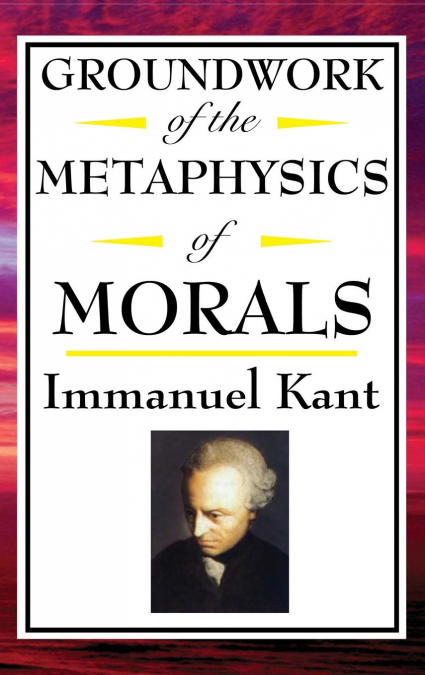
  • Kant
    Immanuel Kant
    Kant’s Groundwork of the Metaphysics of Morals is one of the most important works in modern moral philosophy. It belongs beside Plato, Aristotle, Machiavelli, and Hobbes. Here Kant sets out to articulate and defend the Categorical Imperative - the fundamental principle that underlies moral reasoning - and to lay the foundation for a comprehensive account of justice and human vi...
  • On the Duty of Civil Disobedience
    HENRY DAVID THOREAU
    Civil Disobedience argues that citizens should not permit their governments to overrule their consciences, and that they have a duty to avoid allowing their acquiescence to enable the government to make them the agents of injustice. Thoreau was motivated in part by his disgust with slavery and the Mexican-American War, but the sentiments he expresses here are just as pertinent ...
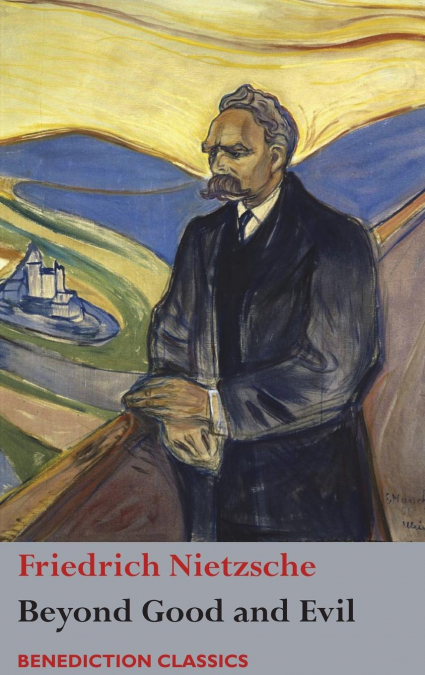
  • Beyond Good and Evil
    Friedrich Nietzsche
    Nietzsche, though primarily a philosopher, wrote widely on art, philology, history, religion, tragedy, culture, and science.  In 1886, at the height of his powers, he published Beyond Good and Evil.  Here he examines much of the best of human thought--dogmatic philosophy, Judeo-Christian morality, science and democracy – and finds it lacking.  Rejecting “slave-morality” he pres...
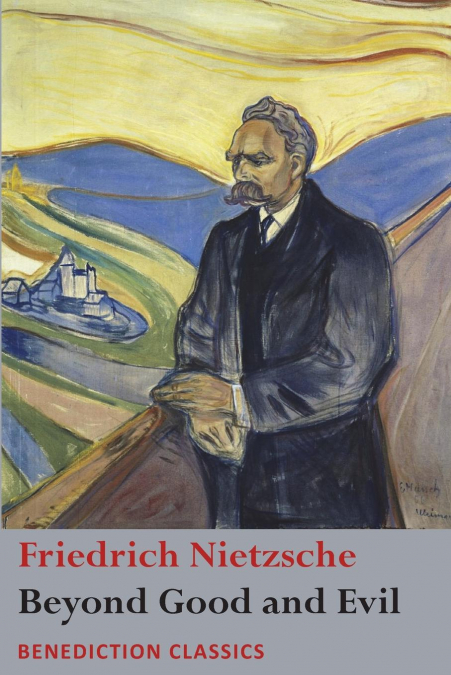
  • Beyond Good and Evil
    Friedrich Nietzsche
    Nietzsche, though primarily a philosopher, wrote widely on art, philology, history, religion, tragedy, culture, and science.  In 1886, at the height of his powers, he published Beyond Good and Evil.  Here he examines much of the best of human thought--dogmatic philosophy, Judeo-Christian morality, science and democracy – and finds it lacking.  Rejecting “slave-morality” he pres...
    Disponible

    9,99 €