

 Librería Samer Atenea
 Kálamo Books
 Librería Elías (Asturias)
 Librería Kolima (Madrid)
 Librería Proteo (Málaga)
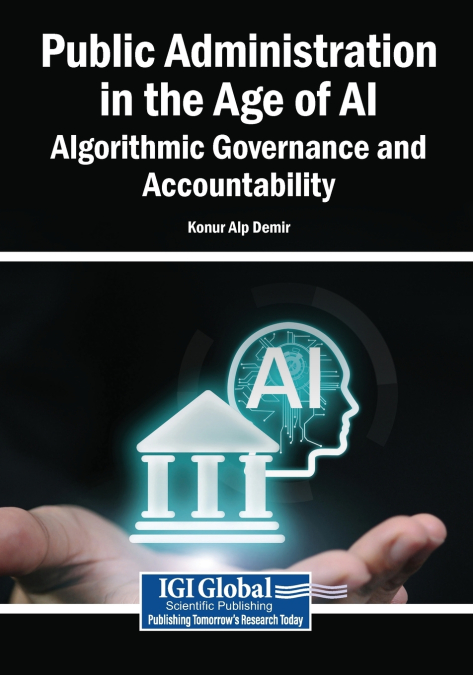
The emergence of artificial intelligence (AI) has transformed how public institutions design policies, deliver services, allocate resources, and engage with citizens in increasingly complex governance environments. As governments adopt AI-driven systems to support decision-making, public administration faces new opportunities to improve efficiency, responsiveness, and evidence-based policymaking while also confronting challenges related to accountability, transparency, and public trust. The growing use of algorithmic governance raises important questions concerning ethical responsibility, data governance, regulatory oversight, and the protection of democratic values within the public sector. A deeper understanding of these developments is essential to ensuring that intelligent technologies enhance administrative effectiveness while preserving legitimacy, equity, and accountability in government institutions. Public Administration in the Age of AI: Algorithmic Governance and Accountability explores how AI and algorithmic systems are reshaping policymaking, service delivery, regulatory oversight, resource allocation, and governmental decision-making in contemporary public administration. It examines both the opportunities and challenges associated with algorithmic governance and evaluates the frameworks, policies, and accountability mechanisms needed to support the responsible, transparent, and democratic use of AI in the public sector. Covering topics such as algorithm aversion, data universalism, and transparency and trust, this book is a valuable resource for government officials, policymakers, public administrators, computer engineers, technology governance researchers, and data scientists seeking to understand and strengthen accountable AI-driven governance.







