Librería Samer Atenea
 Kálamo Books
 Librería Elías (Asturias)
 Librería Kolima (Madrid)
 Librería Proteo (Málaga)
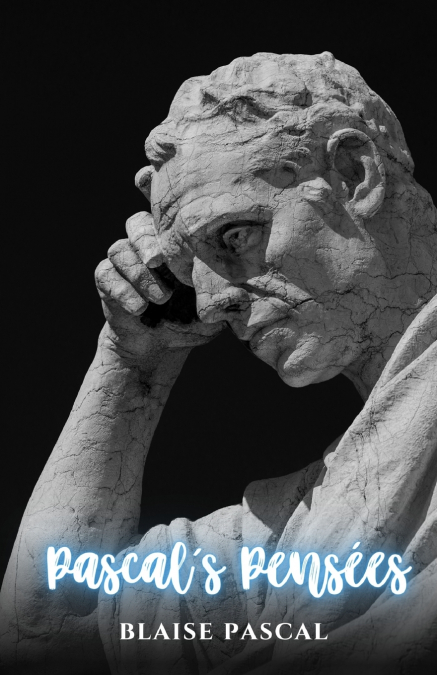
This is Volume 2 of 'Provinzialbriefe Über Die Sittenlehre Und Politik Der Jesuiten,' a collection of letters on the morality and politics of the Jesuits, along with a biography of Blaise Pascal and the history of the letters themselves. Authored by Blaise Pascal, a prominent 17th-century French mathematician, physicist, inventor, philosopher, and writer, the 'Provincial Letters' (or 'Lettres Provinciales') are a series of eighteen letters published pseudonymously. They defend the Jansenist theologian Antoine Arnauld from accusations of heresy by the Jesuits. Written with both sharp wit and profound moral insight, these letters offer a critical examination of Jesuitical casuistry and its implications for ethical conduct and societal governance. This volume provides readers with not only Pascal’s incisive critiques but also valuable contextual information, enriching the understanding of the intellectual and religious landscape of the time. The 'Provincial Letters' remain a significant work in the history of religious controversy and ethical thought, and this volume offers a comprehensive view of the letters, their author, and their enduring impact.This work has been selected by scholars as being culturally important, and is part of the knowledge base of civilization as we know it. This work was reproduced from the original artifact, and remains as true to the original work as possible. Therefore, you will see the original copyright references, library stamps (as most of these works have been housed in our most important libraries around the world), and other notations in the work.This work is in the public domain in the United States of America, and possibly other nations. Within the United States, you may freely copy and distribute this work, as no entity (individual or corporate) has a copyright on the body of the work.As a reproduction of a historical artifact, this work may contain missing or blurred pages, poor pictures, errant marks, etc. Scholars believe, and we concur, that this work is important enough to be preserved, reproduced, and made generally available to the public. We appreciate your support of the preservation process, and thank you for being an important part of keeping this knowledge alive and relevant.