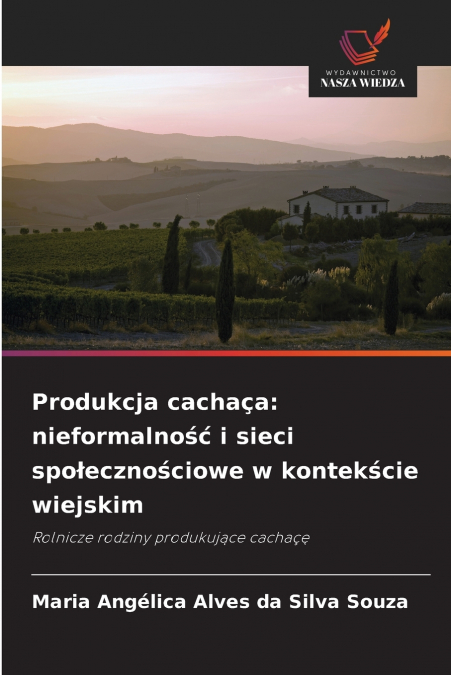
Production de cachaça

Production de cachaça

Maria Angélica Alves da Silva Souza

68,82 €
IVA incluido
Disponible
Editorial:
KS OmniScriptum Publishing
Año de edición:
2025
ISBN:
9786136427447
68,82 €
IVA incluido
Disponible

Selecciona una librería:

  • Librería Samer Atenea
  • Librería Aciertas (Toledo)
  • Kálamo Books
  • Librería Perelló (Valencia)
  • Librería Elías (Asturias)
  • Donde los libros
  • Librería Kolima (Madrid)
  • Librería Proteo (Málaga)

Le contexte rural brésilien est le grand producteur de cachaça artisanale. Cependant, 85 % des producteurs travaillent dans l’informalité et l’illégalité, dans les interdépendances de la production, dans les réseaux sociaux et dans la commercialisation de la cachaça par les acteurs et les producteurs familiaux. La réalité brésilienne montre que les producteurs perçoivent des revenus inférieurs à ceux des intermédiaires de la cachaça, principalement en raison du manque d’informations sur les marchés intérieur et extérieur, du fait qu’ils n’ajoutent pas de valeur au produit, de l’absence d’incitations de la part de l’État et de la méconnaissance de la force des réseaux sociaux qui existent dans ce type de production agricole. L’objectif de ce travail était d’identifier et d’analyser les réseaux sociaux formels et informels des agriculteurs de la municipalité de Rio Pomba - MG, à travers : les processus de travail utilisés dans la production de la cachaça ; la tradition ; la génération de revenus ; la relation/interférence des organismes de contrôle et de certification ; et le rôle de la vulgarisation agricole dans ces relations. Une informalité totale a été observée en ce qui concerne la production et la commercialisation, mais les producteurs préservent la tradition et l’identité familiale de la production de cachaça et du lieu où elle est produite.

Artículos relacionados

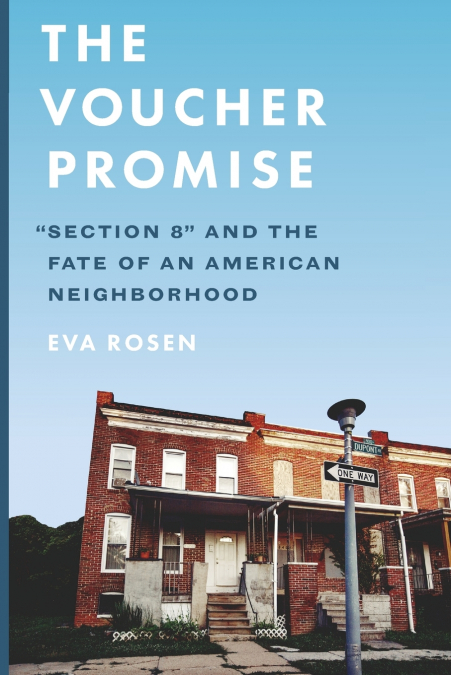
  • The Voucher Promise
    Eva Rosen
    'A must-read for anyone interested in solutions to America’s housing crisis.'-Matthew Desmond, Pulitzer Prize-winning author of Evicted: Poverty and Profit in the American CityAn in-depth look at America’s largest rental assistance program and how it shapes the lives of residents in one low-income Baltimore neighborhoodHousing vouchers are a cornerstone of US federal housing po...
    Disponible

    27,60 €

  • Misdemeanorland
    Issa Kohler-Hausmann
    "An eye-opening account of the criminal justice system’s often overlooked creaky gears."—Sam Roberts, New York TimesIn the early 1990s, New York City launched an initiative under the banner of Broken Windows policing to dramatically expand enforcement against low-level offenses. Misdemeanorland is the first book to document the fates of the hundreds of thousands of people haule...
    Disponible

    31,88 €

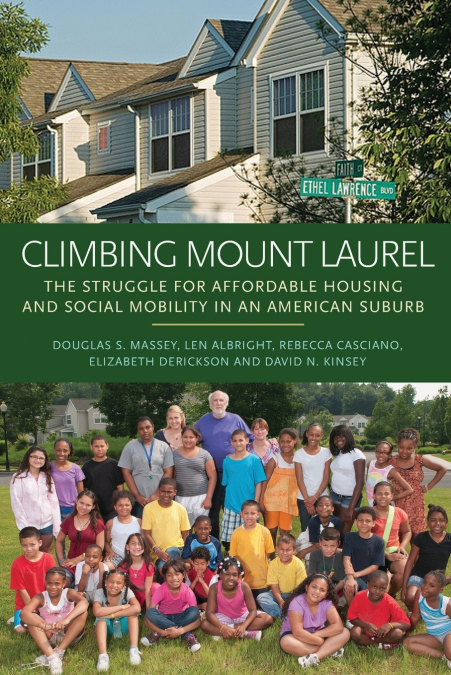
  • Climbing Mount Laurel
    Douglas S. Massey / Len Albright / Rebecca Casciano
    A close look at the aftereffects of the Mount Laurel affordable housing decisionUnder the New Jersey State Constitution as interpreted by the State Supreme Court in 1975 and 1983, municipalities are required to use their zoning authority to create realistic opportunities for a fair share of affordable housing for low- and moderate-income households. Mount Laurel was the town at...
    Disponible

    40,33 €

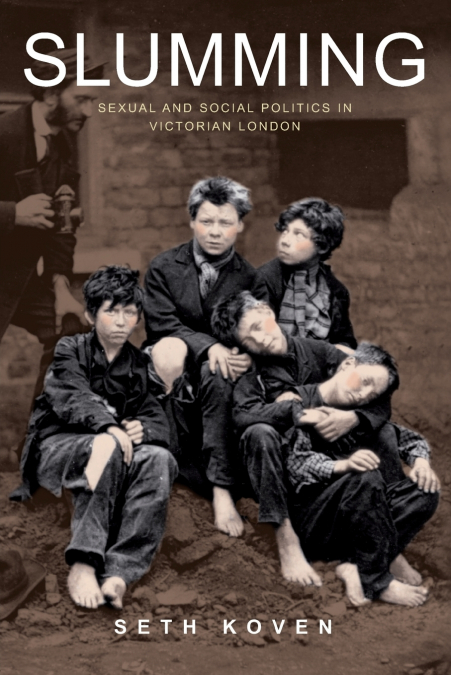
  • Slumming
    Seth Koven
    In the 1880s, fashionable Londoners left their elegant homes and clubs in Mayfair and Belgravia and crowded into omnibuses bound for midnight tours of the slums of East London. A new word burst into popular usage to describe these descents into the precincts of poverty to see how the poor lived: slumming. In this captivating book, Seth Koven paints a vivid portrait of the pract...
    Disponible

    60,59 €

  • Does Skill Make Us Human?
    Natasha Iskander
    An in-depth look at Qatar’s migrant workers and the place of skill in the language of control and powerSkill-specifically the distinction between the 'skilled' and 'unskilled'-is generally defined as a measure of ability and training, but Does Skill Make Us Human? shows instead that skill distinctions are used to limit freedom, narrow political rights, and even deny access to i...
    Disponible

    135,50 €

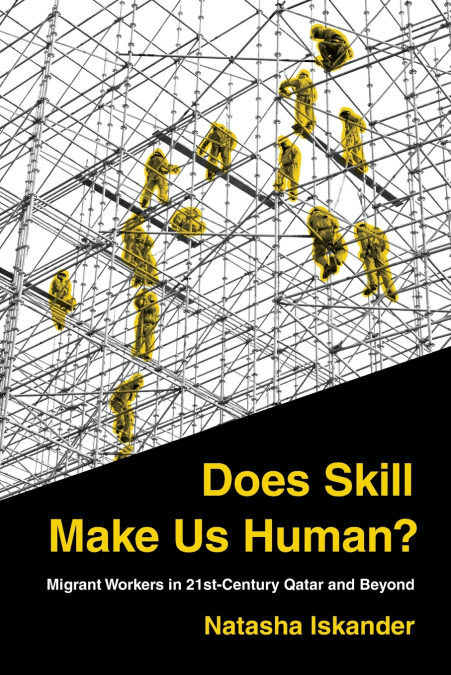
  • Does Skill Make Us Human?
    Natasha Iskander
    An in-depth look at Qatar’s migrant workers and the place of skill in the language of control and powerSkill-specifically the distinction between the 'skilled' and 'unskilled'-is generally defined as a measure of ability and training, but Does Skill Make Us Human? shows instead that skill distinctions are used to limit freedom, narrow political rights, and even deny access to i...
    Disponible

    40,03 €

Otros libros del autor

  • Cachaça-Produktion
    Maria Angélica Alves da Silva Souza
    Der ländliche Raum Brasiliens ist der größte Produzent von handwerklich hergestelltem Cachaça. Allerdings arbeiten 85 % der Produzenten informell und illegal, in gegenseitiger Abhängigkeit bei der Produktion, in sozialen Netzwerken und beim Vertrieb von Cachaça durch Akteure und Familienbetriebe. Die brasilianische Realität zeigt, dass die Produzenten ein geringeres Einkommen e...
    Disponible

    68,82 €

  • Cachaça production
    Maria Angélica Alves da Silva Souza
    The Brazilian rural context is the major producer of artisanal cachaça. However, 85% of producers work informally and illegally, in production interdependencies, social networks and the commercialisation of cachaça by actors and family producers. The Brazilian reality shows that producers earn less income than cachaça middlemen, mainly due to a lack of information about the dom...
    Disponible

    68,86 €

  • Produzione della cachaça
    Maria Angélica Alves da Silva Souza
    Il contesto rurale brasiliano è il grande produttore di cachaça artigianale. Tuttavia, l’85% dei produttori lavora in modo informale e illegale, nelle interdipendenze della produzione, nei social network e nella commercializzazione della cachaça da parte degli attori e dei produttori familiari. La realtà brasiliana mostra che i produttori percepiscono un reddito inferiore rispe...
    Disponible

    68,83 €

  • Produkcja cachaça
    Maria Angélica Alves da Silva Souza
    Brazylijskie obszary wiejskie są głównym producentem rzemieślniczej cachaça. Jednakże 85% producentów pracuje nieformalnie i nielegalnie, w ramach współzależności produkcji, sieci społecznościowych i sprzedaży cachaça przez podmioty i producentów rodzinnych. Rzeczywistość brazylijska pokazuje, że producenci osiągają dochody niższe niż pośrednicy w handlu cachaça, głównie z powo...
    Disponible

    68,86 €