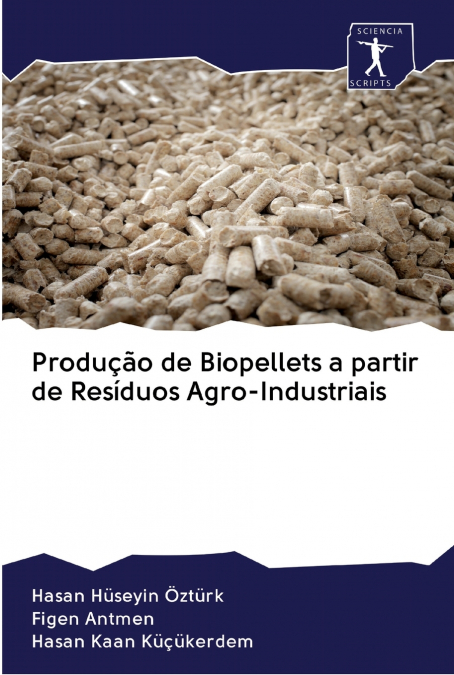
Produção de Biopellets a partir de Resíduos Agro-Industriais

Produção de Biopellets a partir de Resíduos Agro-Industriais

Figen Antmen / Hasan Huseyin Ozturk / Hasan Kaan Küçükerdem

34,65 €
IVA incluido
Disponible
Editorial:
KS OmniScriptum Publishing
Año de edición:
2020
ISBN:
9786200923714
34,65 €
IVA incluido
Disponible

Selecciona una librería:

  • Librería Samer Atenea
  • Librería Aciertas (Toledo)
  • Kálamo Books
  • Librería Perelló (Valencia)
  • Librería Elías (Asturias)
  • Donde los libros
  • Librería Kolima (Madrid)
  • Librería Proteo (Málaga)

Os resíduos agro-industriais com maior potencial para serem utilizados como fonte de carbono são os gerados na indústria alimentar. Um dos métodos eficazes para utilizar os resíduos agro-industriais como combustíveis sólidos melhorados é a peletização. Nos últimos anos, a pelotização tornou-se cada vez mais predominante e a utilização de pellets tornou-se generalizada. O processo de peletização aumenta a densidade do material, reduz os custos de transporte, armazenagem e transporte e garante que a homogeneidade de tamanho e forma possa ser alimentada automaticamente nos sistemas de combustão para fins térmicos, permitindo assim uma utilização mais eficiente do material. Neste estudo, foram feitos biopellets de alguns dos resíduos agro-industriais (polpa de chá, resíduo de gin de algodão e bagaço de azeitona) e foram determinadas algumas características termoquímicas, como os valores caloríficos bruto e líquido (GCV e NCV), hidrogénio (H2) e enxofre total (S), o teor de humidade, a humidade total e as matérias voláteis dos biopellets e comparados com as normas utilizadas na União Europeia para os pellets produzidos a partir de biomassa.

Artículos relacionados

  • Video Surveillance Techniques and Technologies
    Vesna Zeljkovic
    Security video surveillance systems, such as homeland security and national defense, rely on specific mathematical algorithms in order to run effectively. It is essential for these parameters to be understood in order to design and create a successful system. Video Surveillance Techniques and Technologies presents empirical research and acquired experience on the original solut...
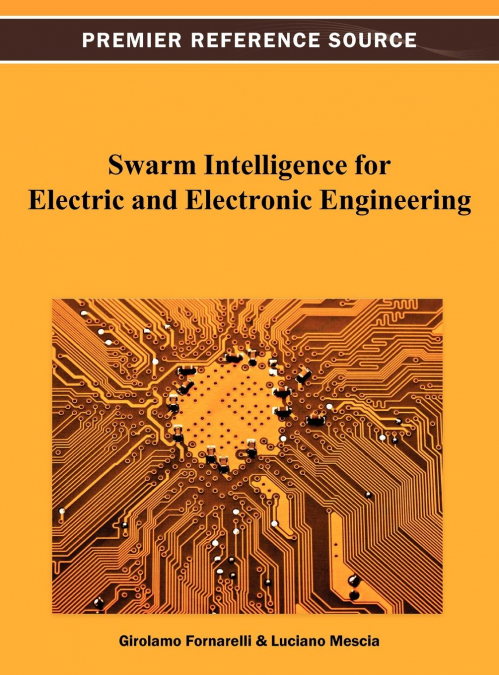
  • Swarm Intelligence for Electric and Electronic Engineering
    With growing developments in artificial intelligence and focus on swarm behaviors; algorithms have been utilized in solving a variety of problems in the field of engineering. This approach has been specifically suited to face the challenges in electric and electronic engineering. Swarm Intelligence for Electric and Electronic Engineering provides an exchange of knowledge on the...
  • Multirate Systems
    Gordana Jovanovic-Dolecek
    ...
  • Advanced Instrument Engineering
    Lay-Ekuakille
    Measurement technologies and instrumentation have a multidisciplinary impact in the field of applied sciences. These engineering technologies are necessary in processing information required for renewable energy, biotechnology, power quality, and nanotechnology. Advanced Instrument Engineering: Measurement, Calibration, and Design presents theoretical and practical aspects on t...
  • Linear Systems Theory
    João P. Hespanha
    A fully updated textbook on linear systems theoryLinear systems theory is the cornerstone of control theory and a well-established discipline that focuses on linear differential equations from the perspective of control and estimation. This updated second edition of Linear Systems Theory covers the subject’s key topics in a unique lecture-style format, making the book easy to ...
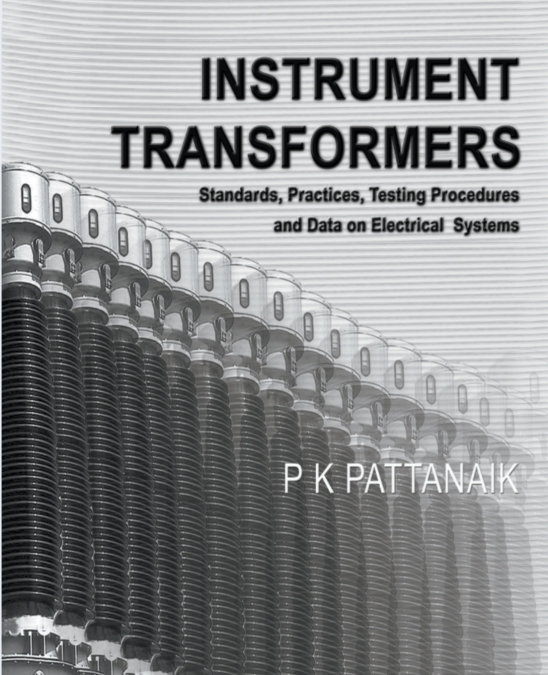
  • Instrument Transformers
    P.K. Pattanaik
    "Instrument Transformers" serves as an indispensable guide for electrical engineers and professionals navigating the complexities of measuring high-voltage currents and potentials. In the realm of electrical engineering, direct measurement of voltages and currents in the "kilo" or "mega" range presents significant challenges, not only due to the sheer magnitude of these values ...
    Disponible

    39,10 €

Otros libros del autor

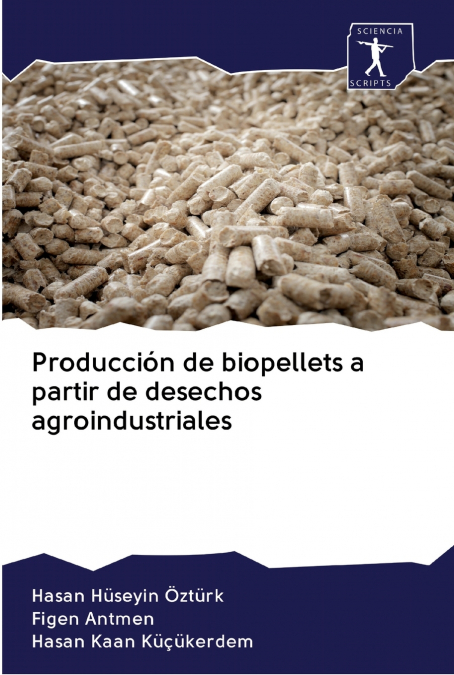
  • Producción de biopellets a partir de desechos agroindustriales
    Figen Antmen / Hasan Huseyin Ozturk / Hasan Kaan Küçükerdem
    Los desechos agroindustriales con mayor potencial para ser utilizados como fuente de carbono, son los generados en la industria alimentaria. Uno de los métodos eficaces para utilizar los desechos agroindustriales como combustibles sólidos mejorados es la granulación. En los últimos años, la peletización se ha hecho cada vez más frecuente y el uso de pellets se ha generalizado. ...
    Disponible

    34,65 €