Inicio > Artes > Música > Prise en compte de la culture afro-brésilienne et africaine dans l’éducation physique à l’école
Prise en compte de la culture afro-brésilienne et africaine dans l’éducation physique à l’école

Prise en compte de la culture afro-brésilienne et africaine dans l’éducation physique à l’école

João Vitor Inocencio dos Santos / Victor Hugo da Silva

48,48 €
IVA incluido
Disponible
Editorial:
KS OmniScriptum Publishing
Año de edición:
2024
Materia
Música
ISBN:
9786207685783
48,48 €
IVA incluido
Disponible

Selecciona una librería:

  • Librería Desdémona
  • Librería Samer Atenea
  • Librería Aciertas (Toledo)
  • Kálamo Books
  • Librería Perelló (Valencia)
  • Librería Elías (Asturias)
  • Donde los libros
  • Librería Kolima (Madrid)
  • Librería Proteo (Málaga)

La pertinence du thème 'L’approche de la culture africaine et afro-brésilienne dans les cours d’éducation physique à l’école' dans cet article est due à la problématisation de la demande historique d’inclusion sociale de la population noire, ainsi qu’à l’engagement de l’éducation physique à l’école vis-à-vis de cette demande. La toile de fond, d’une part, est l’exclusion des Noirs de la société brésilienne à la suite du régime esclavagiste, ainsi que leur lutte pour inverser cette situation de marginalisation sociale. D’autre part, les fondements historiques et épistémologiques mêmes de l’éducation physique scolaire dans le pays, qui ont d’abord corroboré l’exclusion sociale de la population noire en rejetant le corps noir, en promouvant l’esthétique européenne et en propageant des idéaux hygiénistes et eugénistes, mais qui ont ensuite défendu une perspective critique, engagée en faveur de l’inclusion sociale et de la diversité. L’objectif est de présenter une brève histoire de la culture afro-brésilienne et les bases juridiques sur lesquelles repose aujourd’hui l’inclusion de la culture africaine et afro-brésilienne dans l’éducation, afin d’en assurer l’enseignement.

Artículos relacionados

  • Flip Side Beatles, volume 1
    Aaron Krerowicz
    Professional Beatles scholar Aaron Krerowicz presents transcripts of two of his most popular programs. The Beatles: Band of the Sixties is an overview of the band's history and music from their break-through in 1960 through their break-up in 1970. Starr Time: A Celebration of Ringo observes and analyzes Ringo Starr's contributions to The Beatles through his personality,...
  • Reflections on Musical Meaning and Its Representations
    Leo Treitler
    ...
  • Hear the Beat, Feel the Music
    James Joseph
    How do you count music? What’s an 8-count? How do you find the beat in a song?This book, along with more than 20 YouTube videos, will teach you how to count music the easy way—using the 8-count, the way dancers count. If you struggle to stay on the beat, the music lessons in this book are a mini-course in how to get rhythm. Being “rhythmically challenged” is not a lack of abili...
    Disponible

    15,54 €

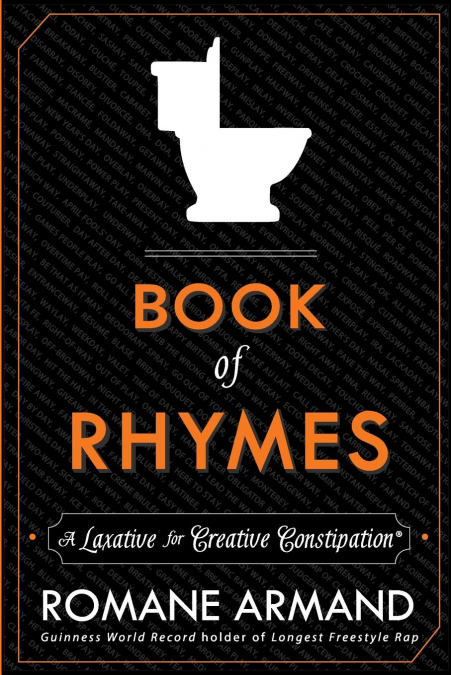
  • Book of Rhymes
    Romane Armand
    What rhymes with Google, or Beyoncé, or better yet, what rhymes with ORANGE? This book full of words that rhyme together has all the answers! With over 50,000 rhyming entries, this essential reference tool will help songwriters, poets, and advertisers overcome writer’s block and quickly find the right rhyming word. It features slang, phrases, idioms, and pop-culture terms, not ...
    Disponible

    27,01 €

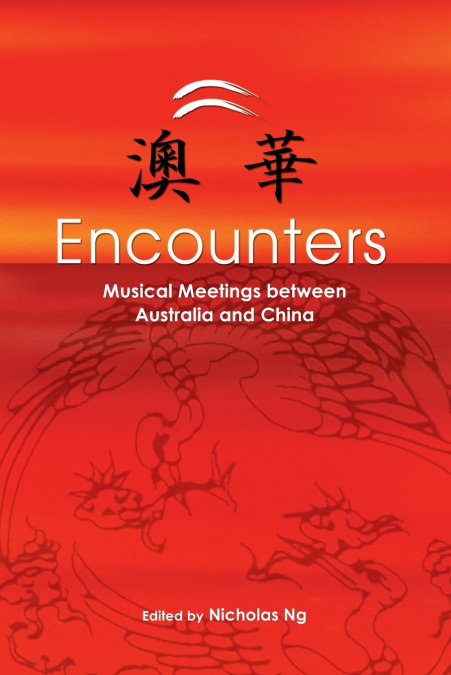
  • Encounters
    Nicholas Ng
    Addressing the themes of: music and history; tradition versus innovation; cultural diversity/intercultural creativity; and music and the related arts; this book  focuses on encounters between China and Australia from the earliest imaginings and representations to the latest cultural exchanges. Here, the reader will find of stories of forbidden love, prejudice and deceit, of ges...
    Disponible

    44,49 €

  • Off the Planet
    Philip Hayward
    ...

Otros libros del autor

  • Affrontare la cultura afro-brasiliana e africana nell’educazione fisica scolastica
    João Vitor Inocencio dos Santos / Victor Hugo da Silva
    L’importanza di discutere il tema 'L’approccio alla cultura africana e afro-brasiliana nelle classi di Educazione fisica scolastica' in questo articolo è dovuta a una problematizzazione della richiesta storica di inclusione sociale della popolazione nera, nonché dell’impegno dell’Educazione fisica scolastica nei confronti di tale richiesta. Lo sfondo, da un lato, è l’esclusione...
    Disponible

    48,42 €

  • Addressing Afro-Brazilian and African culture in school Physical Education
    João Vitor Inocencio dos Santos / Victor Hugo da Silva
    The relevance of discussing the theme 'The Approach to African and Afro-Brazilian Culture in School Physical Education Classes' in this paper is due to a problematisation about the historical demand of the black population for social inclusion, as well as the commitment of school Physical Education to this demand. The backdrop, on the one hand, is the exclusion of black people ...
    Disponible

    48,42 €

  • Auseinandersetzung mit der afrobrasilianischen und afrikanischen Kultur im Schulsportunterricht
    João Vitor Inocencio dos Santos / Victor Hugo da Silva
    Die Relevanz der Erörterung des Themas 'Der Umgang mit afrikanischer und afro-brasilianischer Kultur im Schulsportunterricht' in diesem Beitrag ergibt sich aus einer Problematisierung der historischen Forderung der schwarzen Bevölkerung nach sozialer Inklusion sowie der Verpflichtung des Schulsportunterrichts auf diese Forderung. Hintergrund ist einerseits die Ausgrenzung der S...
    Disponible

    48,48 €

  • Abordagem da cultura afro-brasileira e africana na Ed. Física escolar
    João Vitor Inocencio dos Santos / Victor Hugo da Silva
    A relevância em se discutir no presente trabalho o tema 'A Abordagem da Cultura Africana e Afro-Brasileira nas Aulas de Educação Física Escolar' se deve a uma problematização acerca da demanda histórica da população negra por inclusão social, bem como o compromisso da Educação Física escolar com essa demanda. Como pano de fundo, de um lado, está a exclusão dos negros na socieda...