
Preventive Nutrition

Preventive Nutrition


50,39 €
IVA incluido
Disponible
Editorial:
Springer Nature B.V.
Año de edición:
2013
ISBN:
9781475762457
50,39 €
IVA incluido
Disponible

Selecciona una librería:

  • Librería Samer Atenea
  • Librería Aciertas (Toledo)
  • Kálamo Books
  • Librería Perelló (Valencia)
  • Librería Elías (Asturias)
  • Donde los libros
  • Librería Kolima (Madrid)
  • Librería Proteo (Málaga)

Nutrition has been recognized as a major determinant of health for centuries. Tradi­ tionally, nutritional sciences have primarily targeted the prevention of diseases resulting from clinical deficiencies of essential nutrients, such as scurvy and rickets. Contempo­ rary nutritional research has focused on the prevention of major diseases of Western civilization, particularly cardiovascular disease and cancer, as well as promoting mater­ nal and child health and healthy aging. Heart disease and cancer, which were rare in most developing countries several decades ago, are increasing dramatically in these countries, in parallel with economic development and dietary transitions, decreases in infectious diseases, and increasing sedentary lifestyle and obesity. Substantial evidence indicates major chronic diseases such as coronary heart disease, type 2 diabetes, and some cancers are largely preventable by relatively simple diet and lifestyle modifications. Despite the great potential of nutrition in preventing diseases and improving health, nutrition is not routinely emphasized in the education and training of physicians and other health care professionals. This has resulted in inadequate nutritional knowledge and lack of skills in providing dietary counseling among many health care professionals. Further­ more, in the past decade, the public’s access to nutritional information has been increas­ ing rapidly, particularly through the Internet. There are now hundreds of websites providing a wide range of nutritional information and selling numerous dietary products. Because of the explosion in nutritional information, the public’s demand for nutritional advice has been increasing rapidly and will continue to rise.
Artículos relacionados

  • Bioactive Compounds Of Jaboticaba (Plinia Sp.)
    Flávio Alves Da Silva / Nara Rúbia Rodrigues Do Nascimento-Silva / Rodrigo Barbosa Monteiro Cavalcante
    The Whole Jaboticaba Fruit Stood Out For Its High Levels Of Total Polyphenols, Mainly Anthocyanins (Cyanidin And Delphinidin), Ellagic Acid, Methylellagic Acid, Gallic Acid, Myricetin, Quercetin, Castalagin, Pedunculagin And Vescalagin. When Evaluating The Behavior Of These Compounds After In Vitro Digestion, It Is Observed That Anthocyanins Did Not Suffer As Much In The Saliva...
    Disponible

    11,96 €

  • Obesidad, genética y entorno. El papel de la flexibilidad metabólica
    Fundación alimentación saludable
    Afortunadamente, gracias a la investigación, somos más conscientes de que la obesidad no es una patología que se deba en exclusiva a la desidia ola falta de voluntad del sujeto y que los mensajes de culpabilidad o estigmatización hacia los pacientes no sólo no ayudan a poner freno al sobrepeso, sino que pueden perjudicar seriamente su salud mental. También sabemos, y esto es mu...
    Disponible

    20,00 €

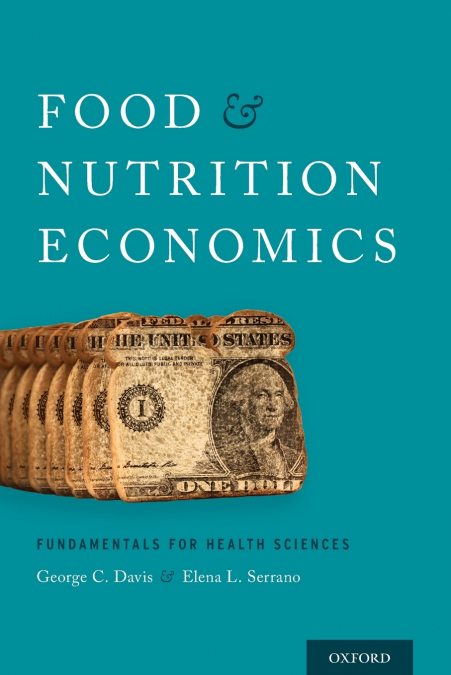
  • FOOD AND NUTRITION ECONOMICS P
    GEORGE C DAVIS
    ...
    Disponible

    118,89 €

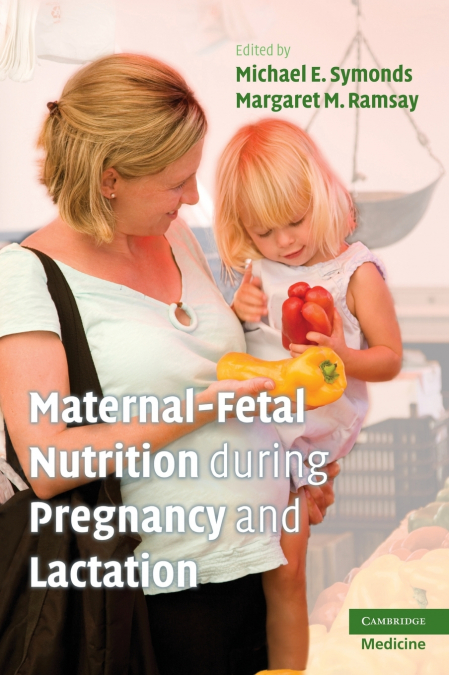
  • Maternal-Fetal Nutrition During Pregnancy and Lactation
    ...
  • The Myths About Nutrition Science
    David Lightsey
    The Myths About Nutrition Science provides an authoritative, yet readily understandable, overview of the common misunderstandings that are commonplace within consumer or athletic communities regarding the food production process and nutrition science, which may affect their physical development, performance, and long-term health ...
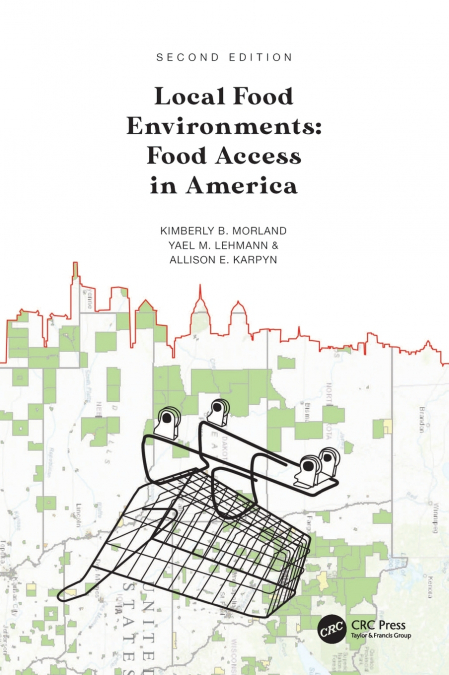
  • Local Food Environments
    Allison E. Karpyn / Kimberly B. Morland / Yael M. Lehmann
    This second edition contains four sections including (1) disparities between local food environments in the United States; (2) effect of restricted local food environments on dietary intake; (3) interventions to local food environment and their impact on communities; and (d) macro-level influence on the development of local food environments. ...