AA.VV
 Librería Samer Atenea
 Kálamo Books
 Librería Elías (Asturias)
 Librería Kolima (Madrid)
 Librería Proteo (Málaga)
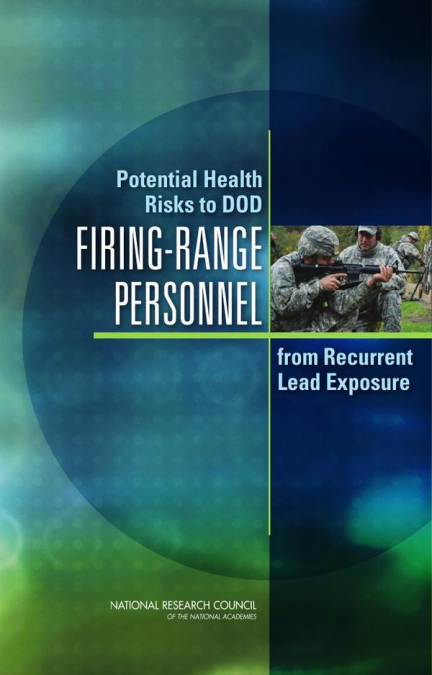
Lead is a ubiquitous metal in the environment, and its adverse effects on human health are well documented. Lead interacts at multiple cellular sites and can alter protein function in part through binding to amino acid sulfhydryl and carboxyl groups on a wide variety of structural and functional proteins. In addition, lead mimics calcium and other divalent cations, and it induces the increased production of cytotoxic reactive oxygen species. Adverse effects associated with lead exposure can be observed in multiple body systems, including the nervous, cardiovascular, renal, hematologic, immunologic, and reproductive systems. Lead exposure is also known to induce adverse developmental effects in utero and in the developing neonate. Lead poses an occupational health hazard, and the Occupational Safety and Health Administration (OSHA) developed a lead standard for general industry that regulates many workplace exposures to this metal. The standard was promulgated in 1978 and encompasses several approaches for reducing exposure to lead, including the establishment of a permissible exposure limit (PEL) of 50 µg/m3 in air (an 8-hour time-weighted average [TWA]), exposure guidelines for instituting medical surveillance, guidelines for removal from and return to work, and other risk-management strategies. An action level of 30 µg/m3 (an 8-hour TWA) for lead was established to trigger medical surveillance in employees exposed above that level for more than 30 days per year. Another provision is that any employee who has a blood lead level (BLL) of 60 µg/dL or higher or three consecutive BLLs averaging 50 µg/dL or higher must be removed from work involving lead exposure. An employee may resume work associated with lead exposure only after two BLLs are lower than 40 µg/dL. Thus, maintaining BLLs lower than 40 µg/dL was judged by OSHA to protect workers from adverse health effects. The OSHA standard also includes a recommendation that BLLs of workers who are planning a pregnancy be under 30µg/dL. In light of knowledge about the hazards posed by occupational lead exposure, the Department of Defense (DOD) asked the National Research Council to evaluate potential health risks from recurrent lead exposure of firing-range personnel. Specifically, DOD asked the National Research Council to determine whether current exposure standards for lead on DOD firing ranges protect its workers adequately.The committee also considered measures of cumulative lead dose. Potential Health Risks to DOD Firing-Range Personnel from Recurrent Lead Exposure will help to inform decisions about setting new air exposure limits for lead on firing ranges, about whether to implement limits for surface contamination, and about how to design lead-surveillance programs for range personnel appropriately.