
Inicio > Humanidades > Historia > Poison, Medicine, and Disease in Late Medieval and Early Modern Europe
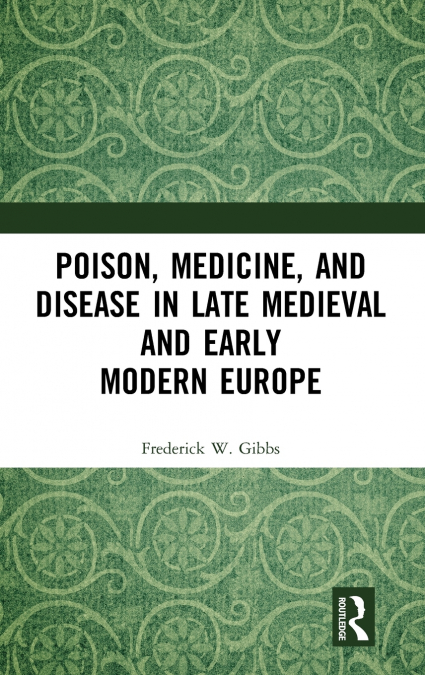
Poison, Medicine, and Disease in Late Medieval and Early Modern Europe

Poison, Medicine, and Disease in Late Medieval and Early Modern Europe

Frederick W Gibbs

267,64 €
IVA incluido
Consulta disponibilidad
Editorial:
Taylor & Francis Ltd
Año de edición:
2018
Materia
Historia
ISBN:
9781472420398

Selecciona una librería:

  • Librería Samer Atenea
  • Librería Aciertas (Toledo)
  • Kálamo Books
  • Librería Perelló (Valencia)
  • Librería Elías (Asturias)
  • Donde los libros
  • Librería Kolima (Madrid)
  • Librería Proteo (Málaga)

This book presents a uniquely broad and pioneering history of premodern toxicology by exploring how late medieval and early modern (c. 1200-1600) physicians discussed the relationship between poison, medicine, and disease. Drawing from a wide range of medical and natural philosophical texts-with an emphasis on treatises that focused on poison, pharmacotherapeutics, plague, and the nature of disease-this study brings to light premodern physicians’ debates about the potential existence, nature, and properties of a category of substance theoretically harmful to the human body in even the smallest amount. Focusing on the category of poison (venenum) rather than on specific drugs reframes and remixes the standard histories of toxicology, pharmacology, and etiology, as well as shows how these aspects of medicine (although not yet formalized as independent disciplines) interacted with and shaped one another. Physicians argued, for instance, about what properties might distinguish poison from other substances, how poison injured the human the body, the nature of poisonous bodies, and the role of poison in spreading, and to some extent defining, disease. The way physicians debated these questions shows that poison was far from an obvious and uncontested category of substance, and their effort to understand it sheds new light on the relationship between natural philosophy and medicine in the late medieval and early modern periods.

Artículos relacionados

  • Raising Freedom's Banner
    Paul Harris
    World wide history of peaceful street demonstrations from their earliest beginning in eighteenth century England to their use throughout the world in the twenty-first century. Describes why some demonstration movements succeeded and others failed. Contrasts demonstrations within the law with civil disobedience demonstrations. Describes Peterloo, the Chartists, the Suffragettes,...
    Disponible

    23,59 €

  • Waipi’o Valley
    Jeffrey L. Gross
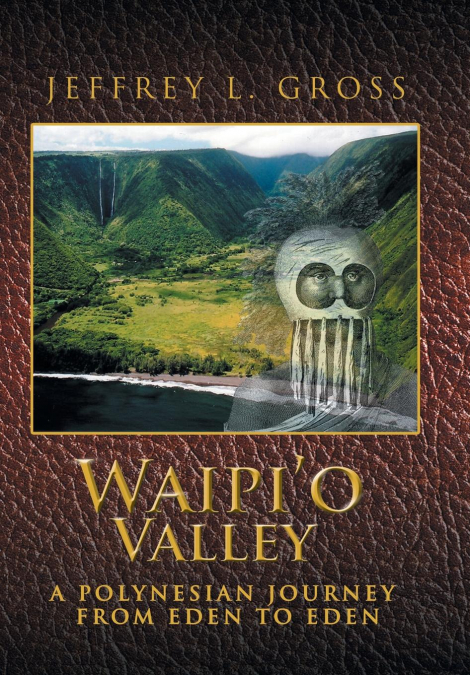
    Waipi’o Valley: A Polynesian Journey from Eden to Eden recounts the remarkable migrations of the Polynesians across a third of the circumference of the earth. Their amazing journey began from Kalana i Hau’ola, the biblical “Garden of Eden” located along the shore of the Persian Gulf, extended to the Indus River Valley of ancient Vedic India, to Egypt where some ancestors of the...
  • Floralia
    June Rainsford Butler
    A century characterized by a growing interest in science, the opportunity for travel, and leisure for gardening furnishes the setting for Butler’s book. The rise of landscape gardening in England is traced, and the origin and history of its most famous gardens are given. The close relation between England and America in the field of horticulture is also discussed.Originally pub...
    Disponible

    61,20 €

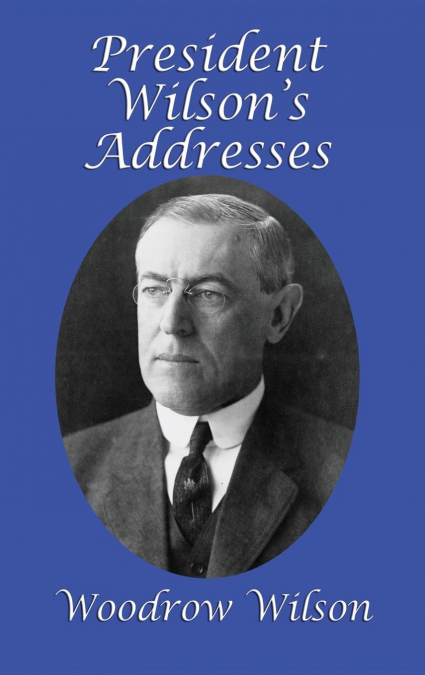
  • President Wilson’s Addresses
    Woodrow Wilson
    'These addresses of President Woodrow Wilson are almost entirely concerned with political affairs, and more specifically with defining Americanism. Yet they also show that even as he moved from academia to the heights of politics, Wilson retained something of the teacher’s interest in showing the relation between specific instances and the general forms of thought or action of ...
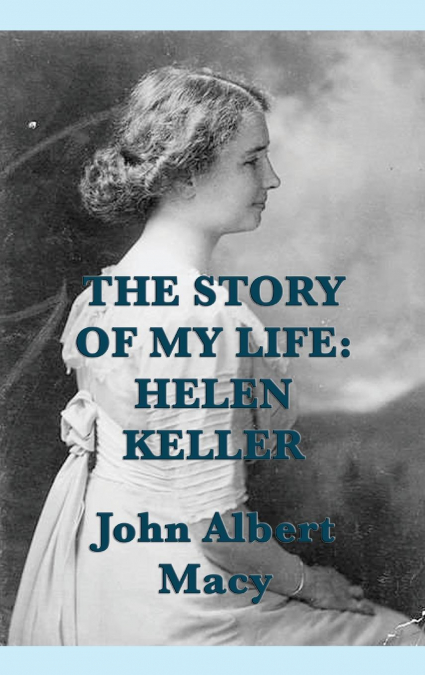
  • The Story of my Life
    John Albert Macy
    The Story of My Life, is Helen Keller’s autobiography detailing her early life, especially her experiences with Anne Sullivan. The book is dedicated to inventor Alexander Graham Bell. The dedication reads, 'To ALEXANDER GRAHAM BELL Who has taught the deaf to speak and enabled the listening ear to hear speech from the Atlantic to the Rockies, I dedicate this Story of My Life.' ...
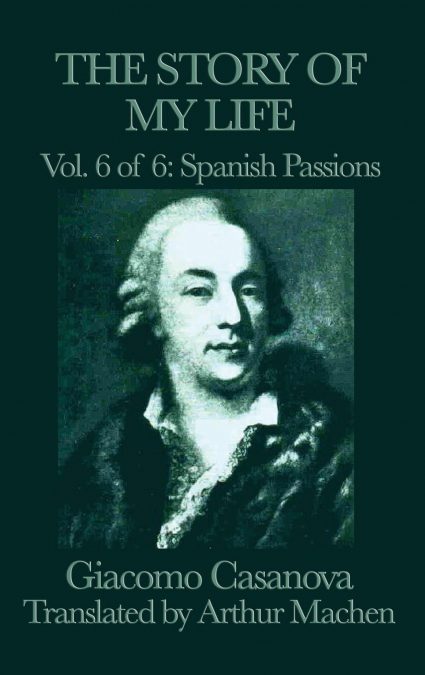
  • The Story of My Life Vol. 6 Spanish Passions
    Giacomo Casanova
    Casanova was an Italian adventurer and author from the Republic of Venice. His autobiography, Histoire de ma vie (Story of My Life), is regarded as one of the most authentic sources of the customs and norms of European social life during the 18th century. He has become so famous for his often complicated and elaborate affairs with women that his name is now synonymous with 'wom...

Otros libros del autor

  • Poison, Medicine, and Disease in Late Medieval and Early Modern Europe
    Frederick W Gibbs
    This book presents a uniquely broad and pioneering history of premodern toxicology by exploring how late medieval and early modern (c. 1200-1600) physicians discussed the relationship between poison, medicine, and disease. Drawing from a wide range of medical and natural philosophical texts-with an emphasis on treatises that focused on poison, p ...
    Disponible

    82,32 €