
Inicio > Humanidades > Religión y creencias > Place, Ecology and the Sacred
Place, Ecology and the Sacred

Place, Ecology and the Sacred

Michael S. Northcott

61,55 €
IVA incluido
Disponible
Editorial:
Bloomsbury Publishing plc
Año de edición:
2015
Materia
Religión y creencias
ISBN:
9781441134066
61,55 €
IVA incluido
Disponible

Selecciona una librería:

  • Librería Samer Atenea
  • Librería Aciertas (Toledo)
  • Kálamo Books
  • Librería Perelló (Valencia)
  • Librería Elías (Asturias)
  • Donde los libros
  • Librería Kolima (Madrid)
  • Librería Proteo (Málaga)

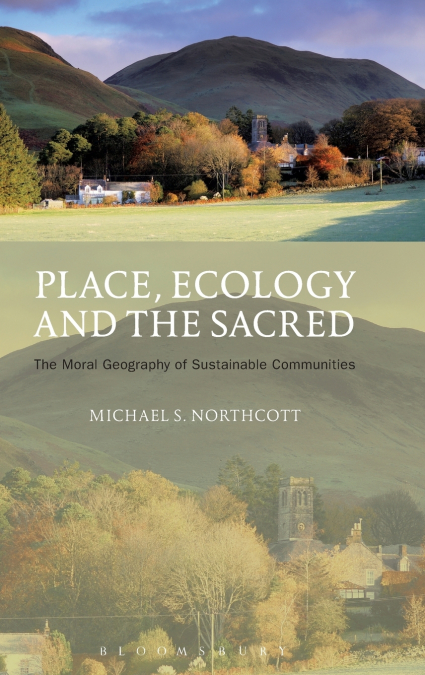
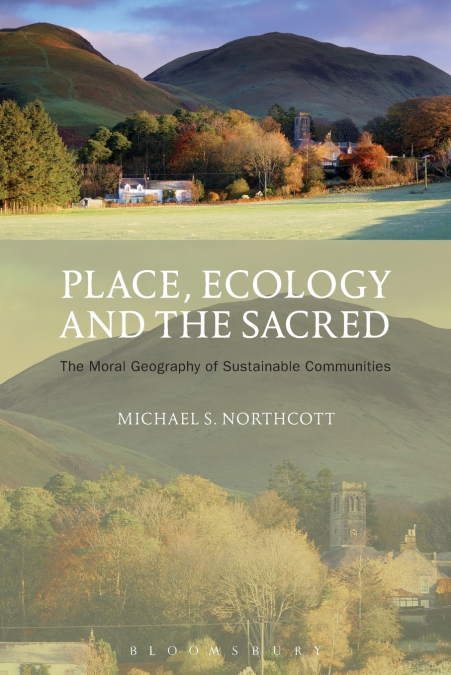
People are born in one place. Traditionally humans move around more than other animals, but in modernity the global mobility of persons and the factors of production increasingly disrupts the sense of place that is an intrinsic part of the human experience of being on earth. Industrial development and fossil fuelled mobility negatively impact the sense of place and help to foster a culture of placelessness where buildings, fields and houses increasingly display a monotonous aesthetic. At the same time ecological habitats, and diverse communities of species are degraded. Romantic resistance to the industrial evisceration of place and ecological diversity involved the setting aside of scenic or sublime landscapes as wilderness areas or parks. However the implication of this project is that human dwelling and ecological sustainability are intrinsically at odds. In this collection of essays Michael Northcott argues that the sense of the sacred which emanates from local communities of faith sustained a ’parochial ecology’ which, over the centuries, shaped communities that were more socially just and ecologically sustainable than the kinds of exchange relationships and settlement patterns fostered by a global and place-blind economy. Hence Christian communities in medieval Europe fostered the distributed use and intergenerational care of common resources, such as alpine meadows, forests or river catchments. But contemporary political economists neglect the role of boundaried places, and spatial limits, in the welfare of human and ecological communities. Northcott argues that place-based forms of community, dwelling and exchange - such as a local food economy - more closely resemble evolved commons governance arrangements, and facilitate the revival of a sense of neighbourhood, and of reconnection between persons and the ecological places in which they dwell.
Artículos relacionados

  • Cultural Diversity, Worship, and Australian Baptist Church Life
    Baptist congregations in Australia face two important and contemporary challenges: to remain faithful and to regain relevance. The authors featured in this volume model the innovative and imaginative responses that are required to meet those challenges. Pastors, Christian leaders, and theological educators together address congregational innovation and cultural transition. At...
    Disponible

    18,20 €

  • Out of yOur Hands
    Shelah D. Sandefur / Shelah DSandefur
    Most can remember a time when you knew that things were Out of yOur Hands.      I can recount several times in my life when I did not know what to do; when I felt overwhelmed by grief or pain haunted my heart.  At times, I wanted to give up.  In my desperation, I would cry out to God, “Help me, please...”.  Each time, although I may not have realized His presence at the time, G...
    Disponible

    11,96 €

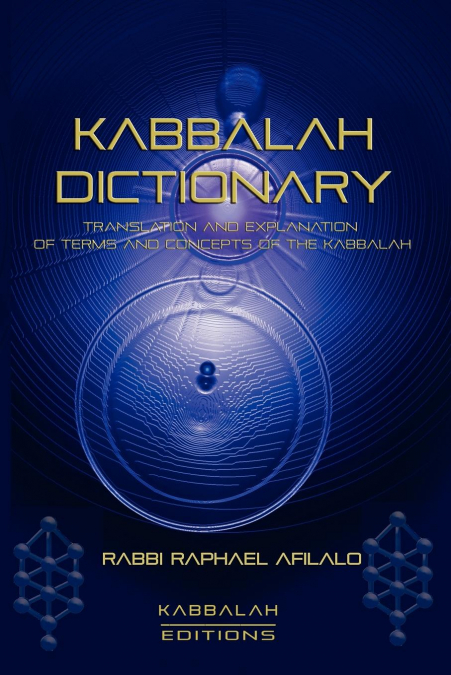
  • Kabbalah Dictionary
    Rabbi Raphael Afilalo
    ...
    Disponible

    28,03 €

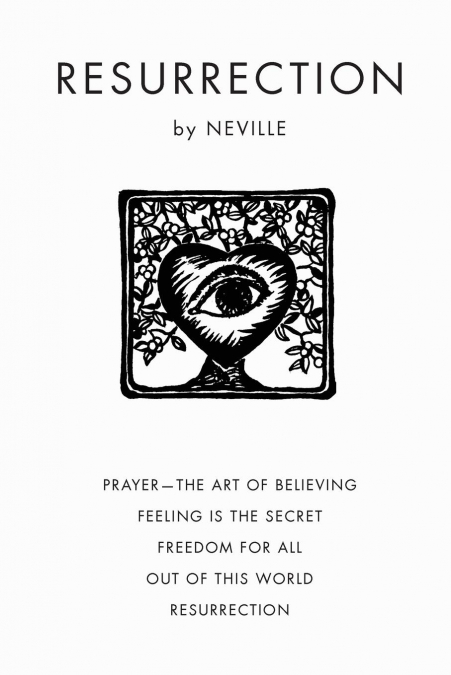
  • Resurrection
    Neville Goddard
    An Exact reprint of a lost spiritual classic by Neville Goddard. Contains the complete text of the books, Prayer-The Art of Believing, Feeling is the Secret, Freedom For All, Out of this World and ResurrectionIntroduction I can think of no greater privilege then to republish 'Resurrection' by Neville Goddard. As more and more of his first editions are disappearing, it is impor...
    Disponible

    23,42 €

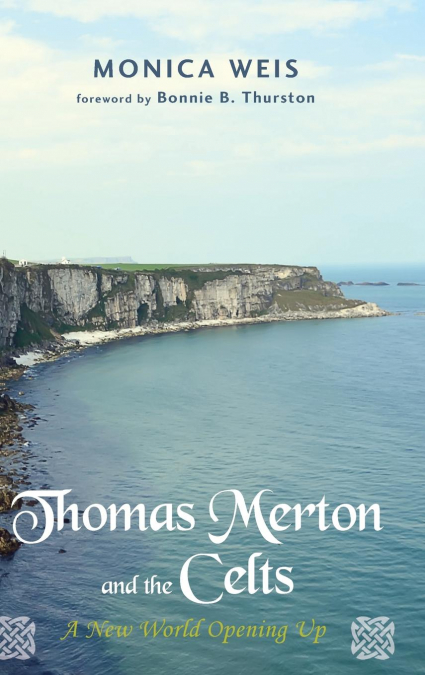
  • Thomas Merton and the Celts
    Monica Weis
    Thomas Merton and the Celts offers a new lens through which to view Merton’s life and spirituality. By examining unpublished letters, notebooks, and taped conferences for the Trappist novices--previously unavailable to the general reader--the author breaks new ground in Merton studies, revealing Merton’s growing fascination with his Welsh ancestry, Celtic monasticism, and early...
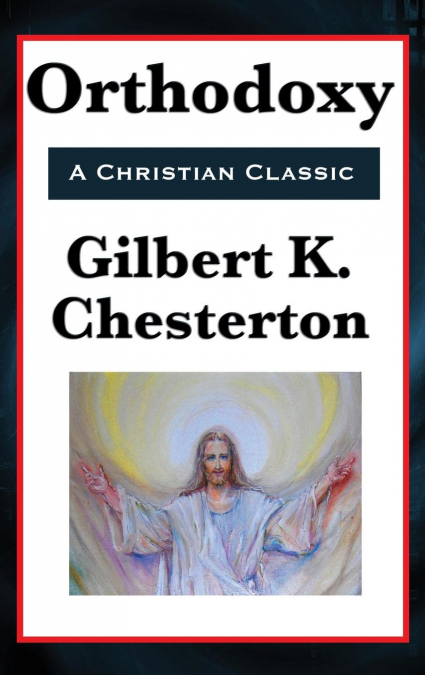
  • Orthodoxy
    G. K. Chesterton / GKChesterton
    In Orthodoxy, Gilbert K. Chesterton explains how and why he came to believe in Christianity. In the book, Chesterton takes the spiritually curious reader on an intellectual quest. While looking for the meaning of life, he finds truth that uniquely fulfills human needs. This is the truth revealed in Christianity. Chesterton likens this discovery to a man setting off from the sou...

Otros libros del autor