 Librería Samer Atenea
 Kálamo Books
 Librería Elías (Asturias)
 Librería Kolima (Madrid)
 Librería Proteo (Málaga)
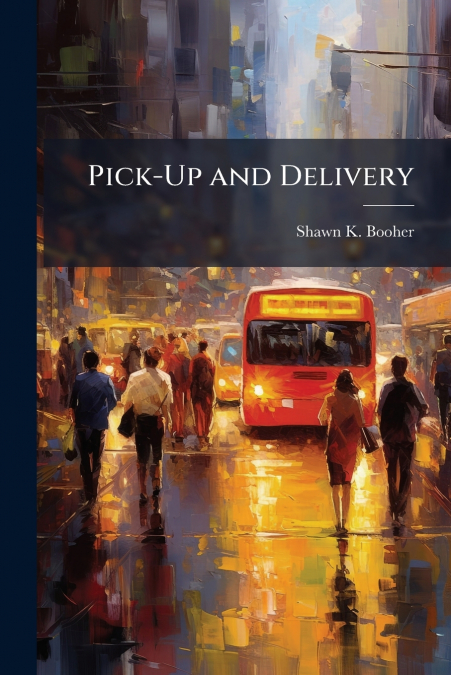
The Chief of Staff Logistics Review of 1999 examined a multitude of process issues and their resulting impact on organizational structure. A resulting initiative was to transition the pick-up and delivery function from the Material Management flight (LGRM) to the Vehicle Operations section (LGRVO). The motivation of this initiative, more specifically referred to as Supply/Transportation Reengineering, was to streamline similar processes, and to effectively and efficiently utilize resources. The goal of this transition was to use fewer people and resources to provide pick-up and delivery service to wing customers with minimal adverse impact to customer service and to improve overall mission support. Concerned about actual or perceived degradation in pick-up and delivery service, some Logistics Readiness Squadron (LRS) commanders have chose to co-locate vehicle operators with LGRM to perform pick-up and delivery service, despite Air Force guidance that forbids it. This research is an analysis of actual or perceived impacts caused by the two different functional alignments in terms of pick-up and delivery service and vehicle operator utilization.This work has been selected by scholars as being culturally important, and is part of the knowledge base of civilization as we know it. This work was reproduced from the original artifact, and remains as true to the original work as possible. Therefore, you will see the original copyright references, library stamps (as most of these works have been housed in our most important libraries around the world), and other notations in the work.This work is in the public domain in the United States of America, and possibly other nations. Within the United States, you may freely copy and distribute this work, as no entity (individual or corporate) has a copyright on the body of the work.As a reproduction of a historical artifact, this work may contain missing or blurred pages, poor pictures, errant marks, etc. Scholars believe, and we concur, that this work is important enough to be preserved, reproduced, and made generally available to the public. We appreciate your support of the preservation process, and thank you for being an important part of keeping this knowledge alive and relevant.