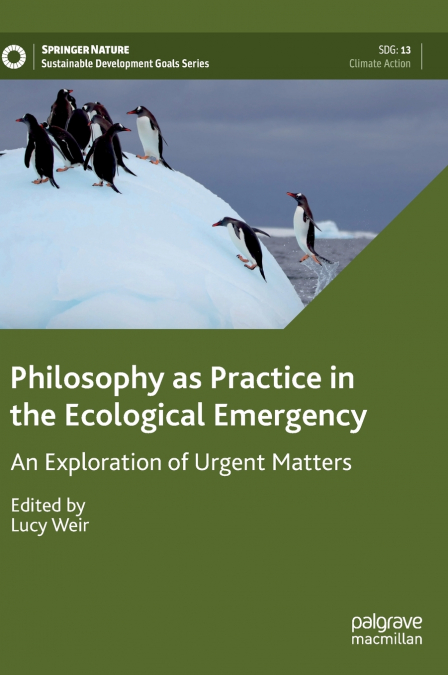

Inicio > Humanidades > Filosofía > Ética y filosofía moral > Philosophy as Practice in the Ecological Emergency
Philosophy as Practice in the Ecological Emergency

Philosophy as Practice in the Ecological Emergency

Lucy Weir

156,80 €
IVA incluido
Consulta disponibilidad
Editorial:
Springer Nature B.V.
Año de edición:
2023
Materia
Ética y filosofía moral
ISBN:
9783030943905

Selecciona una librería:

  • Librería Samer Atenea
  • Librería Aciertas (Toledo)
  • Kálamo Books
  • Librería Perelló (Valencia)
  • Librería Elías (Asturias)
  • Donde los libros
  • Librería Kolima (Madrid)
  • Librería Proteo (Málaga)

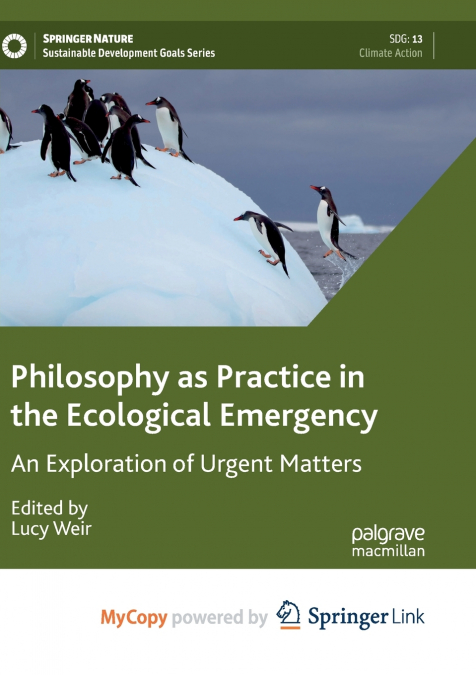
This book argues that philosophy is as practical as plumbing and what we need right now is what philosophers can offer as philosophers to help us all, our species, and beyond, through this ecological emergency, this climate change, this anthropocene.This book is about the meaning and purpose of philosophy as a way of, a practice of, responding to the ecological emergency, which includes climate change, biodiversity loss, pollution, habitat destruction, and all the associated impacts that fragment, and threaten to create collapse, among the systems that created and sustain us. There are the related economic and social impacts, the fragmentation of communities and political ideologies through attitude polarisation, and the increasing threats to systems by those who seek to promote further exploitation at the expense of attempts to regain some system of cooperation and an attitude of compassion which is at the heart of our survival strategies as a species. Philosophy has always sought to address questions related both to our place in the universe, and to how to live, given our understanding of our place. Those of us committed to a philosophical life have used a range of metaphors and narratives to enlighten, and to exhort to action, those who would seek to understand what to do, how, and why. Philosophy has played a key role in helping us as a species to respond to the ecological emergency. What, then, is the practice of philosophy, given that we’re in an ecological emergency?This question is the thread, and it forms the framework for the dialogue that runs through the book. 

Artículos relacionados

  • Ka Ab Ba Building The Lighted Temple
    Dr Terri R. Nelson / Dr Terri RNelson
    The book KaAbBa Building The Lighted Temple/Metaphysical Keys to the Tree of Life draws a circle that is inclusive of the Afrikan origin of the Ancient Kemetic/Egyptian wisdom. It reveals the undeniable root and link of Ancient Africa to all the religious systems that would develop worldwide. This book is explosive in its power to convey the meaning of KaAbBa, the Medu Neter  (...
    Disponible

    37,41 €

  • Technoethics and the Evolving Knowledge Society
    Rocci Luppicini
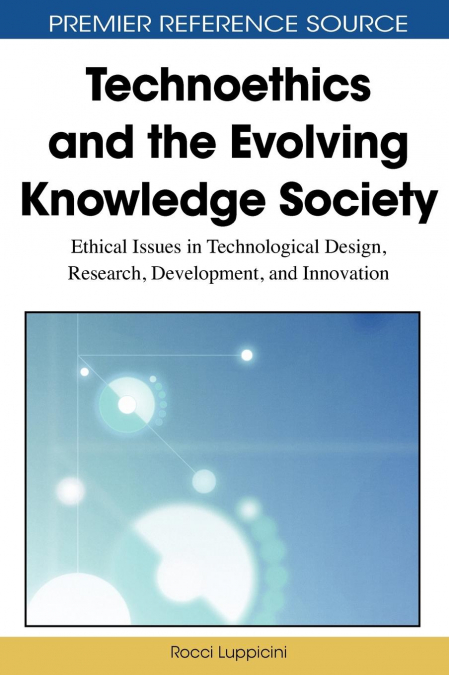
    Recently, there has been a major push to rediscover the ethical dimension of technology across the sciences, social sciences, and humanities. Technoethics and the Evolving Knowledge Society: Ethical Issues in Technological Design, Research, Development, and Innovation examines human processes and practices connected to technology embedded within social, political, and moral sph...
  • Kant
    Immanuel Kant
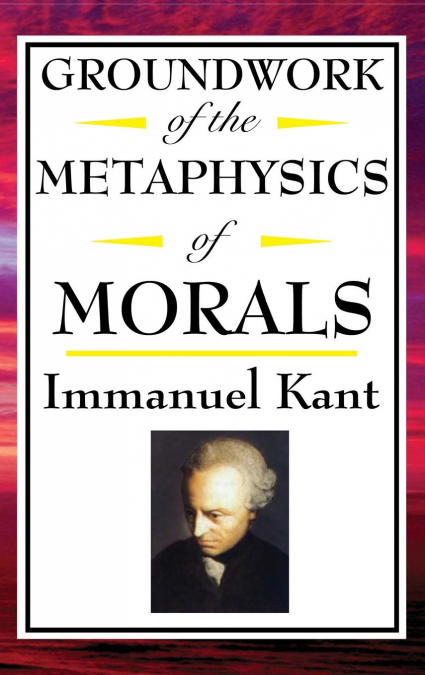
    Kant’s Groundwork of the Metaphysics of Morals is one of the most important works in modern moral philosophy. It belongs beside Plato, Aristotle, Machiavelli, and Hobbes. Here Kant sets out to articulate and defend the Categorical Imperative - the fundamental principle that underlies moral reasoning - and to lay the foundation for a comprehensive account of justice and human vi...
  • On the Duty of Civil Disobedience
    HENRY DAVID THOREAU
    Civil Disobedience argues that citizens should not permit their governments to overrule their consciences, and that they have a duty to avoid allowing their acquiescence to enable the government to make them the agents of injustice. Thoreau was motivated in part by his disgust with slavery and the Mexican-American War, but the sentiments he expresses here are just as pertinent ...
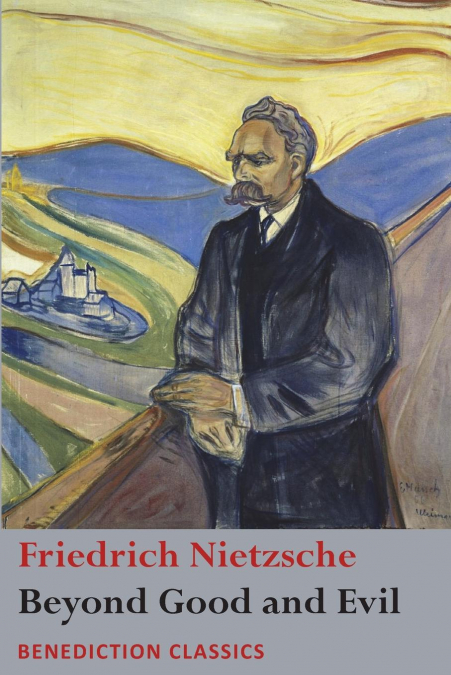
  • Beyond Good and Evil
    Friedrich Nietzsche
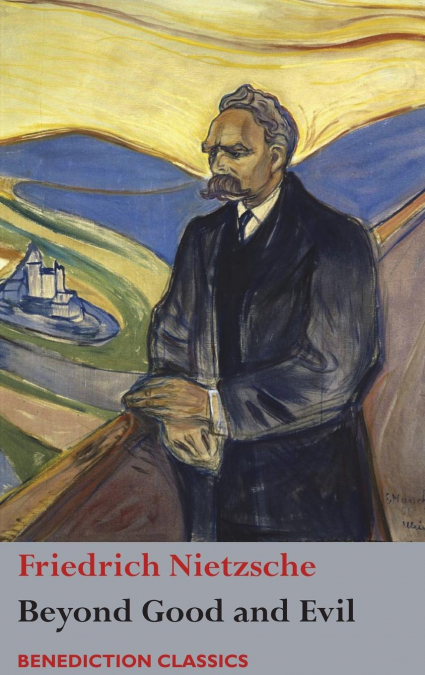
    Nietzsche, though primarily a philosopher, wrote widely on art, philology, history, religion, tragedy, culture, and science.  In 1886, at the height of his powers, he published Beyond Good and Evil.  Here he examines much of the best of human thought--dogmatic philosophy, Judeo-Christian morality, science and democracy – and finds it lacking.  Rejecting “slave-morality” he pres...
  • Beyond Good and Evil
    Friedrich Nietzsche
    Nietzsche, though primarily a philosopher, wrote widely on art, philology, history, religion, tragedy, culture, and science.  In 1886, at the height of his powers, he published Beyond Good and Evil.  Here he examines much of the best of human thought--dogmatic philosophy, Judeo-Christian morality, science and democracy – and finds it lacking.  Rejecting “slave-morality” he pres...
    Disponible

    9,99 €

Otros libros del autor

  • Philosophy as Practice in the Ecological Emergency
    Lucy Weir
    This book argues that philosophy is as practical as plumbing and what we need right now is what philosophers can offer as philosophers to help us all, our species, and beyond, through this ecological emergency, this climate change, this anthropocene.This book is about the meaning and purpose of philosophy as a way of, a practice of, responding to the ecological emergency, which...
    Disponible

    48,01 €

  • Love is Green
    Lucy Weir
    This book links three themes, non-dualistic agency, ‘the good’ of systems, and compassionate attunement, and relates them to the ecological emergency. The author begins by examining how we currently understand our ability to choose what we do, our agency and conclude that this is dualistic: we think of an action to do, and then we physically act.  Yet an understanding that we a...
    Disponible

    71,43 €

  • Love is Green
    Lucy Weir
    This book links three themes, non-dualistic agency, ‘the good’ of systems, and compassionate attunement, and relates them to the ecological emergency. The author begins by examining how we currently understand our ability to choose what we do, our agency and conclude that this is dualistic: we think of an action to do, and then we physically act.  Yet an understanding that we a...